


A Strange Disease Emerges in Local Fish Populations
In 2012, anglers fishing Lake Memphremagog, which straddles the Quebec and Vermont border, began reporting an unsettling sight: catfish covered in unusual black spots and bumps. Vermont’s Fish and Wildlife Department launched an investigation to identify the culprit, suspecting a virus or environmental toxin. Over more than a decade of research, scientists made a startling discovery: the disease spreading through the bullhead catfish population is not a virus or bacterial infection at all, but rather a transmissible cancer, the fourth known case in the animal kingdom and the first documented in fish.
How Scientists Identified the Transmissible Cancer
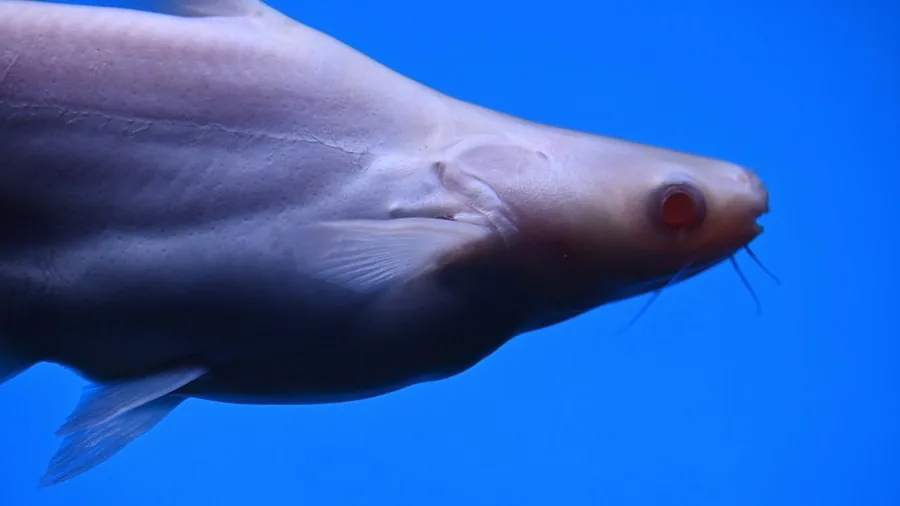
Julie Dragon, a microbiologist at the University of Vermont, led the investigation into what was causing the mysterious skin lesions. Initial theories pointed to various culprits: a nearby landfill, toxic runoff from Tropical Storm Irene in 2011, or heavy metal contamination. However, when Dragon performed genetic analysis using whole-genome sequencing on tumors and healthy tissue from infected fish, she uncovered something unexpected. The cancer cells had more genetic similarity to each other than to the fish they inhabited. This is highly unusual because cancers typically originate from a host’s own cells and reflect the host’s genetic makeup. The tumor cells in these catfish were essentially a separate genetic entity spreading from fish to fish.
Dragon explained that hundreds of thousands of genetic variants appeared in tumor samples but were completely absent from the host fish, far exceeding the variation normally seen in conventional cancers. The cancer, which can spread into other organs, appears to affect only adult fish, and some individuals have carried the disease for extended periods. Scientists believe the cancer spreads during fish spawning, though laboratory transmission has not yet been successfully replicated.
What This Discovery Means for Anglers and Local Communities
For recreational fishermen and commercial fishing operations in the region, this discovery raises important questions about fish safety and ecosystem health. While the cancer does not appear to pose a direct threat to humans who consume infected fish, the presence of a transmissible cancer in a fish population is unprecedented and warrants careful monitoring. The disease could potentially impact the overall health and population dynamics of bullhead catfish in Lake Memphremagog.
Local residents and fishing enthusiasts should be aware that handling or harvesting fish from the lake may expose them to infected specimens. Proper handling practices, including washing hands after contact with fish and avoiding consumption of visibly diseased fish, remain standard precautions. Understanding the nature of this disease helps distinguish it from other health threats to fish and humans alike. Proper tools for fish processing and preparation should always be used with clean technique regardless of this discovery.
A Historical Pattern Worth Investigating

Interestingly, the disease may have a longer history than initially recognized. Naturalist Henry David Thoreau documented observations of catfish bearing large dark lesions in Massachusetts during the mid-19th century, suggesting that transmissible cancers in fish populations may have existed for over a century. Thoreau wrote of seeing catfish with “a very large velvet-black spot” and noted that he had “often observed” such disease patterns on these fish. This historical record hints that scientists may be observing a disease that has persisted in North American freshwater ecosystems for far longer than modern researchers realized.
The Broader Scientific Implications
Until now, transmissible cancers had been confirmed in only three animal groups: dogs, Tasmanian devils, and marine shellfish such as clams and mussels. The addition of bullhead catfish represents a significant expansion of our understanding of how cancer can spread between organisms. Researchers suggest that transmissible cancers may not actually be as rare as previously believed but rather underseen because scientists have not been systematically searching for them in wild populations.
The disease will now be included in the catalog of known contagious cancers as researchers continue to study its impact on bullhead catfish populations and the Lake Memphremagog ecosystem. Understanding how cancer cells themselves become infectious agents, separate from viral or bacterial transmission, could have implications for disease control strategies and ecological management. Wildlife management sometimes requires precision equipment, and monitoring infected populations may demand careful assessment techniques.
For now, anglers should stay informed about local fish advisories and remain vigilant when fishing the lake. The discovery serves as a reminder that nature continues to surprise us with rare phenomena that challenge our existing assumptions about disease transmission and animal health.






Write Your Review
No reviews yet. Be the first to share your experience!