
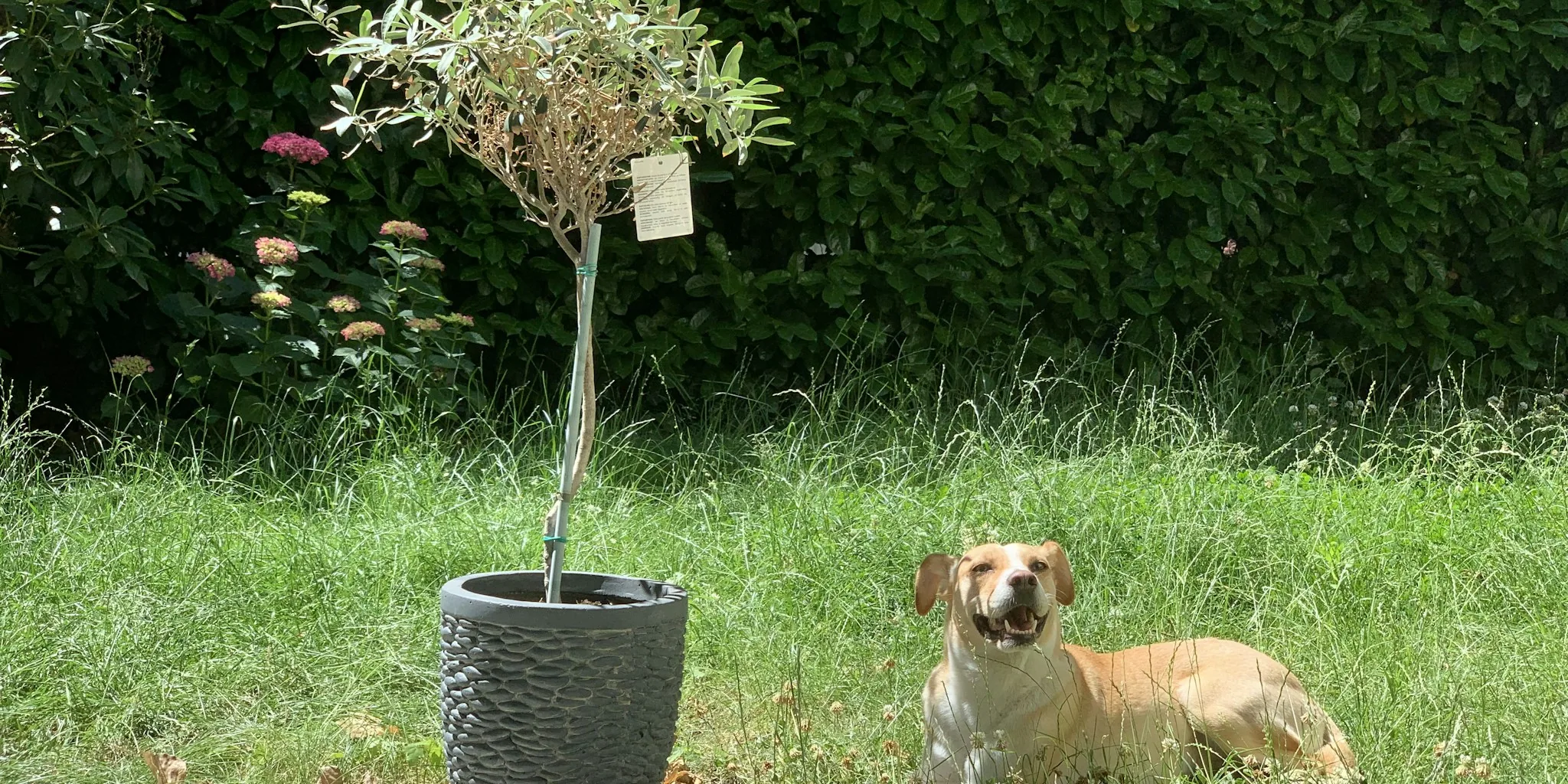

Fall has arrived, and gardeners across the United States are discovering that September is the ideal month to plant trees in containers. If you’ve been considering adding greenery to your patio, entryway, or indoor living space, understanding why this timing matters and which species work best can help you make smart purchasing decisions.
Why September Is the Perfect Planting Month
When temperatures drop in early fall compared to summer months, the stress on newly transplanted trees decreases significantly. The cooling air and soil create ideal conditions for root establishment before winter sets in. September typically brings seasonal rainfall in many regions, which means your new plant gets natural moisture without requiring constant manual watering. Lower heat stress combined with adequate water availability helps reduce transplant shock, allowing your container tree to settle in and thrive.
Potted trees offer flexibility that in-ground plantings cannot match. If you discover your tree needs more sunlight or prefers shadier conditions, you can easily move it from one location to another. You’re also free to bring tender varieties indoors when temperatures drop dangerously low, extending their growing season and protecting your investment.
Five Container-Friendly Trees to Consider
Japanese Maple
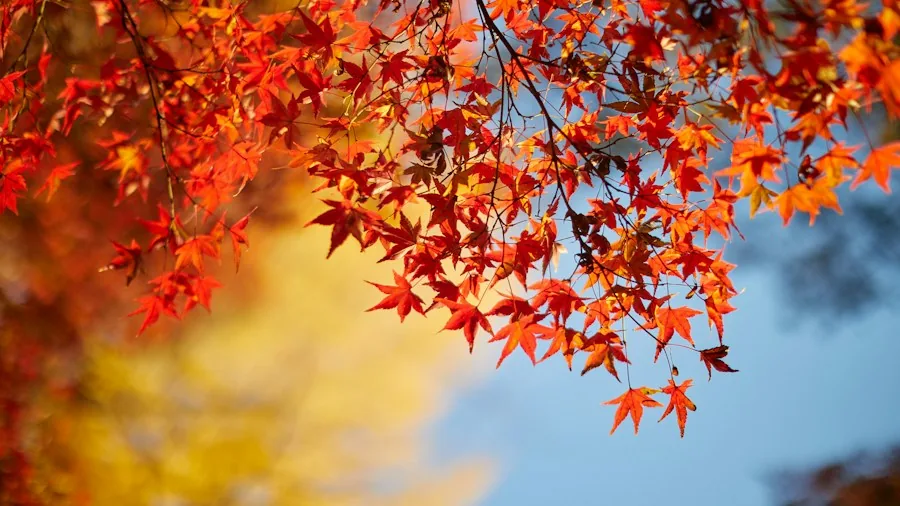
Japanese maples are renowned for their delicate, ornamental foliage and stunning fall color. Their dense leaves turn fiery reds, vibrant oranges, purples, and gold each autumn. These trees prefer dappled sunlight and require containers at least twice the size of their root ball. They thrive in USDA zones 5-9 and need regular watering during their first few years after transplanting. Plan to repot your Japanese maple every two to three years as it matures.
American Redbud
American redbud is a native tree that delivers incredible fall color displays. While standard varieties grow to 30 feet tall, dwarf and compact cultivars stay much more manageable for container growing. The smaller varieties maintain the same dramatic autumn foliage effect in a pot-friendly size. This species grows well in USDA zones 4-9, making it suitable for most U.S. gardeners.
Magnolia
Magnolias are magnificent ornamental trees prized for their large, stunning blossoms. Rather than choosing standard varieties that grow too tall for containers, look for dwarf or compact selections like the ‘Little Girl’ series, which maxes out at 8 to 12 feet. These smaller magnolias deliver the same dramatic springtime beauty at a manageable scale. Wide containers work best because magnolia roots spread horizontally rather than deeply. Hardy in USDA zones 3-8, magnolias can adapt to cooler climates.
Dwarf Apple Trees
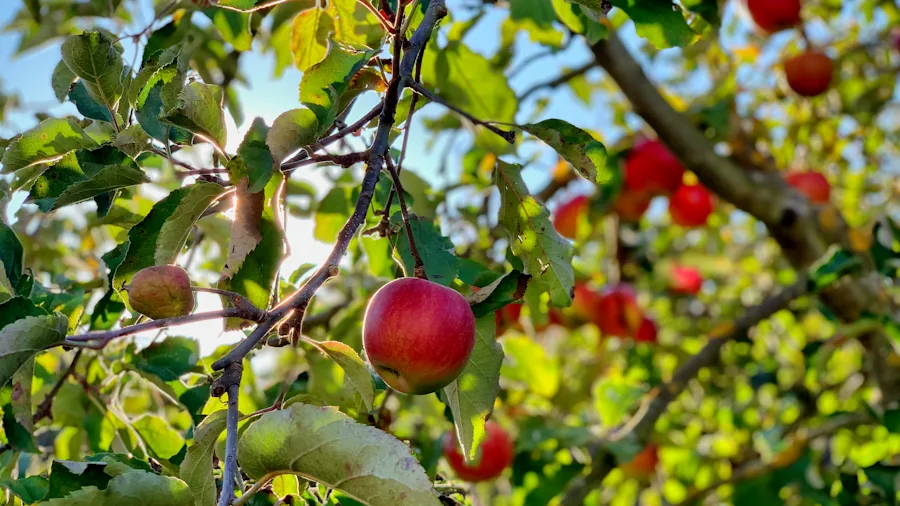
Don’t assume dwarf apple varieties produce tiny fruit. Even compact cultivars produce full-size apples, giving you edible results without the sprawling canopy of a standard tree. Select varieties suited to your climate zone and use a heavy container measuring 18 to 22 inches wide. Keep the graft union above the soil line when planting. Fall plant shopping often offers excellent deals on tree varieties, giving you budget-friendly options. Hardy in USDA zones 3-9, dwarf apples establish root systems quickly in autumn, readying them for spring blooms.
Meyer Lemon Trees
Meyer lemon trees are hybrid specimens crossed between lemon and mandarin orange varieties. Container-grown specimens reach about 7 feet tall, making them ideal for patios, porches, and even indoor spaces. The fruits are bright yellow and surprisingly sweet, unlike traditional sour lemons. Container plants can thrive indoors year-round with proper care, and Meyer lemons produce beautiful white blossoms throughout the year with a sweet fragrance. Start with a 5- to 7-gallon container and increase pot size every few years as your tree matures. Planting in September means you’ll potentially harvest fruit that very fall. This species grows in USDA zones 8-11.
Smart Shopping Tips for Container Trees
When purchasing your container tree in September, inspect the root ball and nursery pot carefully. Healthy roots should be white or light tan, not dark or mushy. Ask your nursery staff which varieties perform best in your specific hardiness zone and light conditions. Consider the mature size of compact or dwarf varieties before buying, ensuring your space can accommodate the tree’s full growth.
Container size matters significantly. Larger pots provide room for root expansion and retain moisture longer than small containers. Use wide, sturdy pots rather than tall, narrow ones for trees with spreading root systems. Quality potting soil designed for container plants ensures proper drainage and nutrition.
Fall planting also supports local bee and butterfly populations, making container gardening an environmentally conscious choice.
Getting Your Trees Ready for Winter
After planting your container tree in September, water it thoroughly and establish a consistent watering schedule through fall. Monitor soil moisture regularly, as containers dry out faster than in-ground gardens. As temperatures drop toward winter, move tender varieties indoors or provide frost protection depending on your hardiness zone.
September container planting sets your trees up for success, reducing transplant stress and giving roots time to establish before cold weather arrives. Whether you choose a Japanese maple for ornamental beauty, a fruit-bearing apple or lemon tree for edible harvests, or a flowering magnolia for spring drama, this season offers ideal conditions for your container gardening project.


Write Your Review
No reviews yet. Be the first to share your experience!