


Tragic Week Highlights Urgent Safety Concerns on Popular Trails
The hiking community experienced an unusually sobering span of days recently, with six fatal incidents occurring across North America within a single week. These deaths occurred on some of the continent’s most well-known routes and peaks, raising important questions about trail safety and preparedness for anyone planning outdoor adventures.
An Australian thru-hiker, age 28, was discovered deceased on Wednesday after going missing while tackling the Continental Divide Trail, a challenging 3,100-mile route stretching from Canada through Montana, Idaho, Wyoming, Colorado, and New Mexico. His family had been tracking his progress through a GPS device and messaging app until his final transmission on July 23. Search and rescue teams located his body on the western slope of the Tetons near an area called the Wigwams, below a steep ridgeline between Grand Teton National Park and the Jedediah Smith Wilderness. Evidence suggests he fell from the high-altitude ridge.
The same tragic week saw additional fatalities across multiple states. A 15-year-old boy died from a lightning strike while hiking Colorado’s Mount Blue Sky on Sunday, with four others seriously injured in the same incident. In Arizona, a 61-year-old man set out for an early morning hike on Phoenix’s South Mountain on Saturday and was later found dead on the trail, with investigators attributing his death to heat exposure or a medical event. New Hampshire experienced a tragedy when a hiker collapsed on the popular Welch-Dickey trail in the White Mountains on Saturday; he was airlifted by helicopter but could not be saved. In Canada, Banff National Park reported two separate fatal falls, including a woman in her 20s who fell from near Marvel Peak on Tuesday and a 65-year-old man who fell from Mount Temple the previous Saturday.
What These Incidents Mean for Trail Enthusiasts
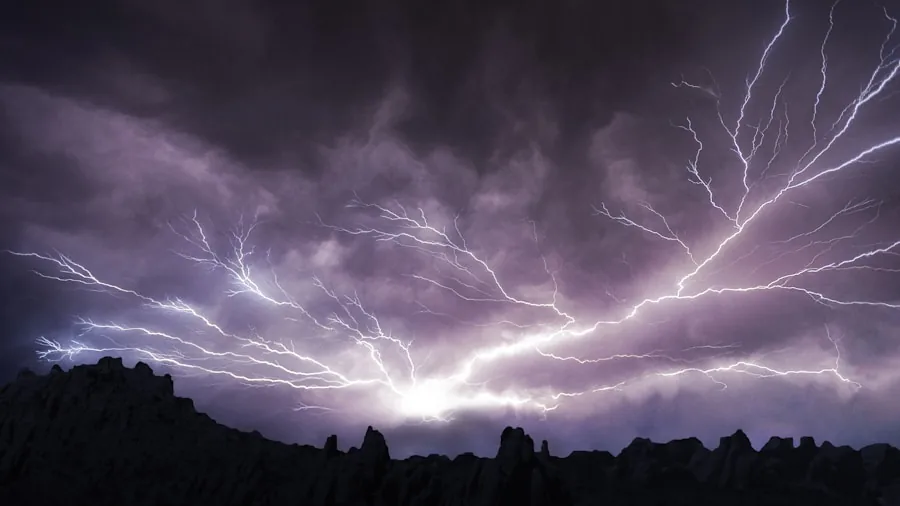
While summer months naturally see increased hiking activity and consequently higher incident rates due to larger numbers of people on trails, this particular week represented an unusual clustering of preventable and unforeseeable hazards. The variety of causes, from environmental factors like lightning and heat to navigational challenges on remote high-altitude terrain, illustrates that no single type of hiker is immune to risk.
For consumers planning hiking trips, these incidents underscore the importance of proper preparation. Investing in quality gear makes a measurable difference. The best hiking boots for women and the best hiking boots for men provide stability on uneven and steep terrain, potentially preventing the falls that claimed lives this week. Footwear designed specifically for hiking offers ankle support and traction that casual sneakers simply cannot match.
Beyond footwear, appropriate clothing layers and weather-appropriate gear are non-negotiable. Hikers heading into high-altitude areas face rapidly changing conditions, sudden storms, and temperature swings. Quality hiking pants for women designed with moisture-wicking fabrics help regulate body temperature and provide protection from the elements. Similar considerations apply regardless of gender or experience level.
Essential Precautions Every Hiker Should Take
Communication tools proved critical in the search for the thru-hiker on the Continental Divide Trail. Family members were able to alert authorities because they maintained GPS tracking contact. Hikers tackling remote or multi-day routes should consider similar technologies, especially when traveling alone or in small groups far from cell service.
Weather awareness represents another critical safety factor. The teenager who died from lightning was caught in conditions that can develop with little warning, particularly in exposed high-altitude environments. Checking forecasts, understanding mountain weather patterns, and knowing when to turn back are fundamental skills that no gear can replace.
Medical preparedness matters as well. Carrying a well-stocked first-aid kit and knowing basic emergency response could make the difference in heat-related or medical emergencies. Even experienced hikers benefit from regular refresher training in wilderness first aid.
Finally, trail selection and honest self-assessment are essential. The Continental Divide Trail ranks among North America’s most challenging thru-hikes, requiring exceptional fitness, navigation skills, and mental resilience. Intermediate hikers should progress gradually toward more difficult routes rather than attempting elite-level challenges without adequate preparation.
These recent tragedies serve as a reminder that hiking, while generally safe when approached with proper planning and equipment, carries inherent risks that demand respect and preparation from anyone venturing into the backcountry.



Write Your Review
No reviews yet. Be the first to share your experience!