
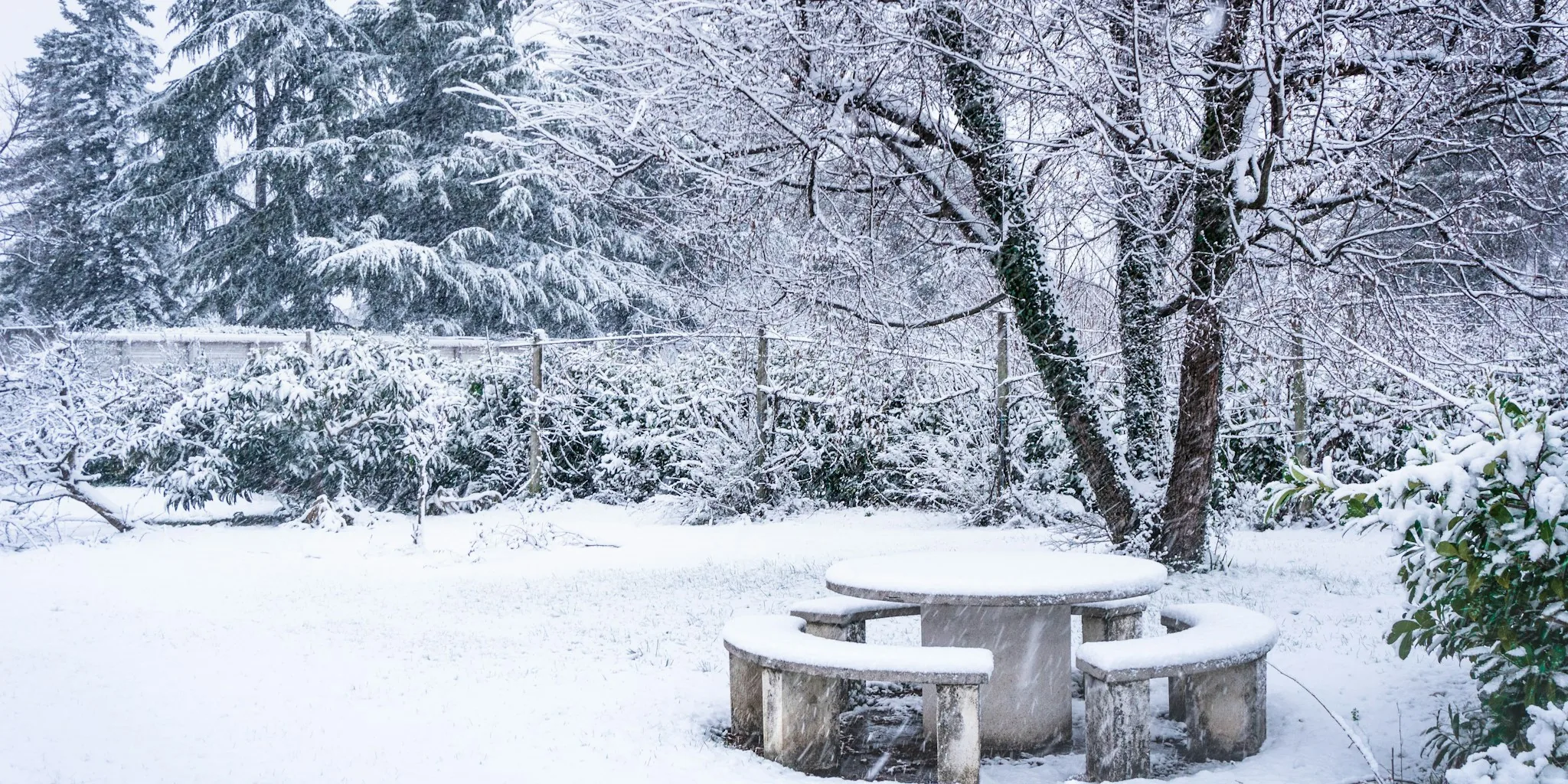

Weather forecasters are predicting an exceptionally strong El Nino pattern this winter across much of the United States. The National Oceanic and Atmospheric Administration estimates a greater than 90 percent probability of this weather system developing, which could bring significant challenges for gardeners. The outlook suggests wetter than normal conditions across the southern and central regions, California, portions of the Great Plains, and the Atlantic coast. While northern areas may experience milder than average temperatures, the Southeast could face unexpected cold snaps.
Most gardeners focus on protecting plants from heat and drought stress, but a cold, wet winter creates its own set of problems. Soil that remains saturated for extended periods deprives plant roots of oxygen while promoting water molds such as Phytophthora and Pythium that cause root rot. Freeze thaw cycles can heave shallow rooted plants right out of the ground, exposing delicate root systems to harsh conditions. Understanding which plants are most vulnerable now gives you time to take preventive action before winter arrives.
Seven Plants at Highest Risk
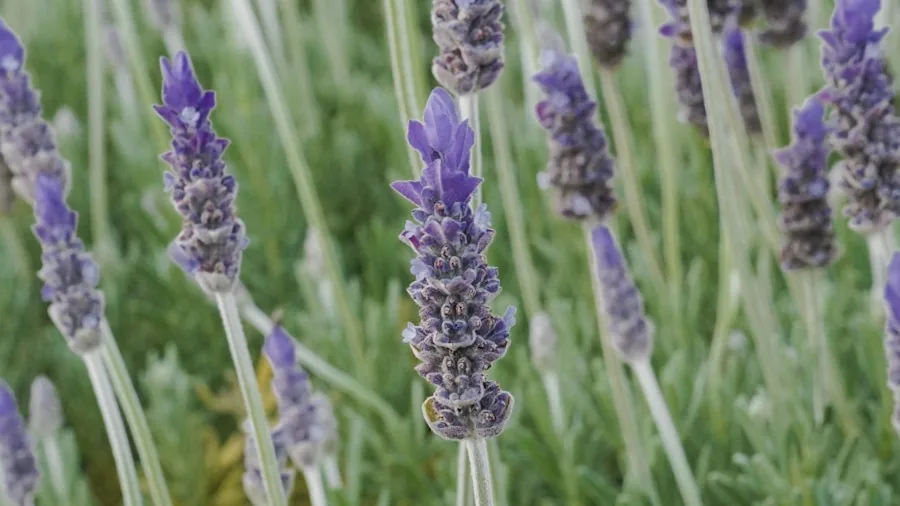
Lavender is one of the most common winter casualties in wet climates. This Mediterranean native evolved in dry, rocky environments where rainfall drains away instantly. Soggy, cold soil triggers root rot far more readily than freezing temperatures alone. Avoid using wood chips or straw as mulch around lavender, as both materials trap moisture against the crown. Instead, apply a thin layer of gravel. If you grow lavender in containers, move pots under an eave or porch roof where rain cannot continuously soak the soil.
Hens and chicks (Sempervivum species) and hardy sedums tolerate cold remarkably well, even in northern regions. Their weakness is prolonged wet soil, which causes the rosettes to rot from the base upward. Gravel or grit mulch keeps these succulents lifted above soggy ground. Potted specimens should be removed from their saucers for winter so water drains freely from drainage holes rather than pooling beneath the pot.
Agave plants can survive freezing temperatures when soil stays dry, but cold combined with moisture presents serious danger. Heavy winter rain can collect in the center of the rosette and around the roots, promoting rot. Plant agaves on slopes, berms, or raised beds that shed water quickly. If a hard freeze appears in the forecast, cover the plant with a heavy duty frost blanket that you can remove once temperatures rise.
Fall planted garlic spends the entire winter underground and needs well drained soil. Waterlogged beds can rot the cloves before they sprout, and cool wet conditions also encourage white rot disease if it exists in your garden. Plant garlic in raised beds or in mounded rows several inches above the surrounding path. Once soil has cooled, add a 2 to 4 inch layer of mulch to moderate soil temperature swings that cause heaving.
Tulip bulbs succumb easily to rot in persistently wet soil. Five plants never to prune in October should also be protected from wet winter conditions, similar to your bulb beds. Plant tulips in your best drained location at 6 to 8 inches deep, and stop watering after planting if rain is already providing moisture. Containers and raised beds offer safer homes for tulips, hyacinths, and other fall planted bulbs.
Coral bells (Heuchera species) have shallow roots and crowns that sit right at soil level, making them vulnerable to frost heaving. Each freeze thaw cycle lifts the crown slightly higher until roots become exposed to cold and drying wind. After the first frost, apply 2 to 3 inches of mulch around plants while keeping it pulled back from the crown itself. Check plants after each thaw and press any heaved specimens back down into soil. Heavy clay soil also threatens the crown with rot, so amend with compost before planting new specimens.
Strawberries face threats from both waterlogged soil and freeze thaw cycles. Waterlogged conditions trigger root diseases like red stele, while repeated freezing and thawing heaves plants up and exposes roots to drying. Raised beds solve the first problem effectively. For frost heaving protection, apply a loose 3 to 4 inch layer of straw or pine straw after plants have experienced several light frosts, then pull it back in spring as new growth emerges.
Prepare Your Garden Now
Best native hedges to plant this fall also benefit from improved drainage before winter weather arrives. The common thread through all these vulnerable plants is drainage. Gravel, mulch, and raised beds require minimal investment but offer substantial protection. Even if forecasts change and your region avoids the predicted wet winter, these amendments improve garden health year round. Taking action now means your plants will survive whatever winter conditions actually arrive.




Write Your Review
No reviews yet. Be the first to share your experience!