


What Happened
A major public television station in St. Louis found itself in a nightmare scenario when its cloud storage vendor, Open Source Storage, quietly shut down operations and cut off all access to decades of archival materials. The company had hosted approximately 50 terabytes of data, representing seven decades of the station’s programming and historical content, at a data center facility operated by Iron Mountain.
The contract between Nine PBS and the storage provider was supposed to expire on March 6, 2026, with a 30-day grace period for data retrieval. However, when the access deadline arrived, the company had already gone defunct, leaving no way for the station to retrieve its own materials. Only after weeks of investigation did the station discover that the storage vendor had dissolved and defaulted on its business obligations with the Colorado Secretary of State.
Nine PBS initiated legal proceedings to recover the data, initially suing the storage vendor in St. Louis before eventually filing a second case in Denver, where the physical equipment was housed. A judge ruled in favor of the station, confirming its ownership of the materials and ordering the data center operator to cooperate with retrieval efforts within 30 days. However, the center argued it only provided physical space and infrastructure, not direct access to the hardware itself, creating an additional legal and technical obstacle to recovery.
The Real Issue for Content and Data Owners
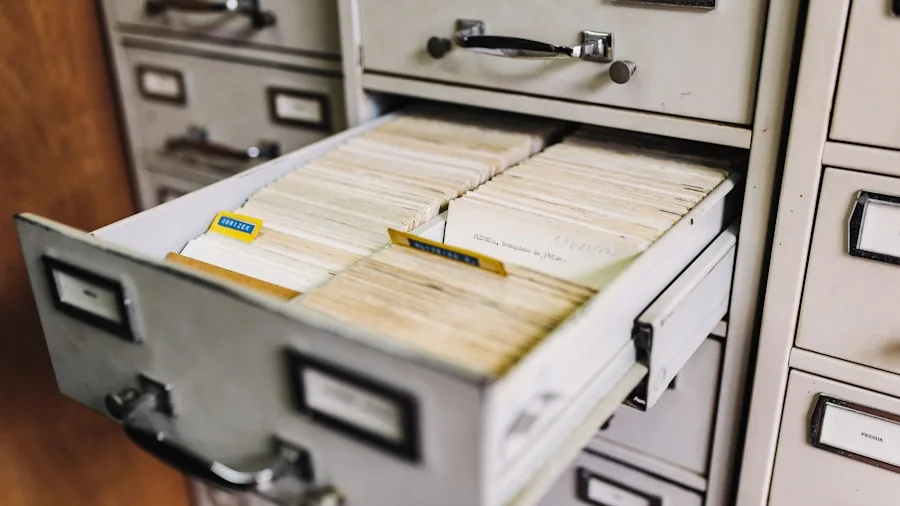
This situation illustrates a critical vulnerability that affects not just broadcasters but anyone relying on third-party cloud storage solutions. When you store important materials with a vendor, you assume that relationship will continue as contracted. In this case, the station had renewed its agreement annually without incident for years, only to have the company vanish without notice or transition plan.
The legal battle revealed a troubling gap in accountability. The data center facility maintained that since it had leased space to the storage company rather than directly to Nine PBS, it bore no responsibility for facilitating access to the station’s own files. This created a custody dispute where the rightful owner of the content had to prove ownership and then still negotiate with multiple parties just to retrieve what belonged to them.
The station’s lost materials included irreplaceable coverage of major historical events: the history of East St. Louis, the COVID-19 pandemic response, and the devastating Great Flood of 1993. These are not files that can be recreated or re-downloaded from elsewhere. They represent a permanent loss of historical documentation if recovery ultimately fails.
What This Means for Your Data Storage Decisions

For consumers and organizations considering where to store important files, this case offers a stark warning. While cloud storage offers convenience and accessibility, the vendor’s stability matters enormously. Smart TVs and connected devices have made digital storage an integral part of how we consume and archive media, but relying entirely on a single third-party provider creates risk.
Before entrusting critical materials to any cloud vendor, ask direct questions about financial stability, backup procedures, and what happens if the company shuts down. Request clear contractual language stating what access you retain if the vendor defaults. Consider hybrid approaches where you maintain local copies of essential files in addition to cloud storage. High-quality television systems and recording equipment are only as valuable as the backup strategy supporting your content.
The court ultimately gave Nine PBS 30 days to identify a qualified party who could access and retrieve the data from within Iron Mountain’s facility while ensuring no other customer’s information was compromised. The station will also be responsible for paying all past-due storage fees that accumulated when the vendor stopped paying its bills. This adds unexpected financial costs on top of the legal expenses already incurred.
Moving Forward
The broader lesson extends to anyone managing a video library or extensive digital collection. Modern television and entertainment systems increasingly rely on digital ecosystems where files live in the cloud, yet this case demonstrates the dangers of assuming that convenience comes without risk.
Consider maintaining redundant backups. Use vendors with established track records and transparent financials. Understand the legal relationship between yourself, your storage provider, and any intermediary facilities they use. Most importantly, never assume that paying for a service guarantees access if something goes wrong.
Nine PBS learned this lesson through months of litigation and uncertainty about whether seven decades of cultural and historical documentation would survive. Other organizations can learn from this cautionary tale without having to suffer the same consequences.






Write Your Review
No reviews yet. Be the first to share your experience!