
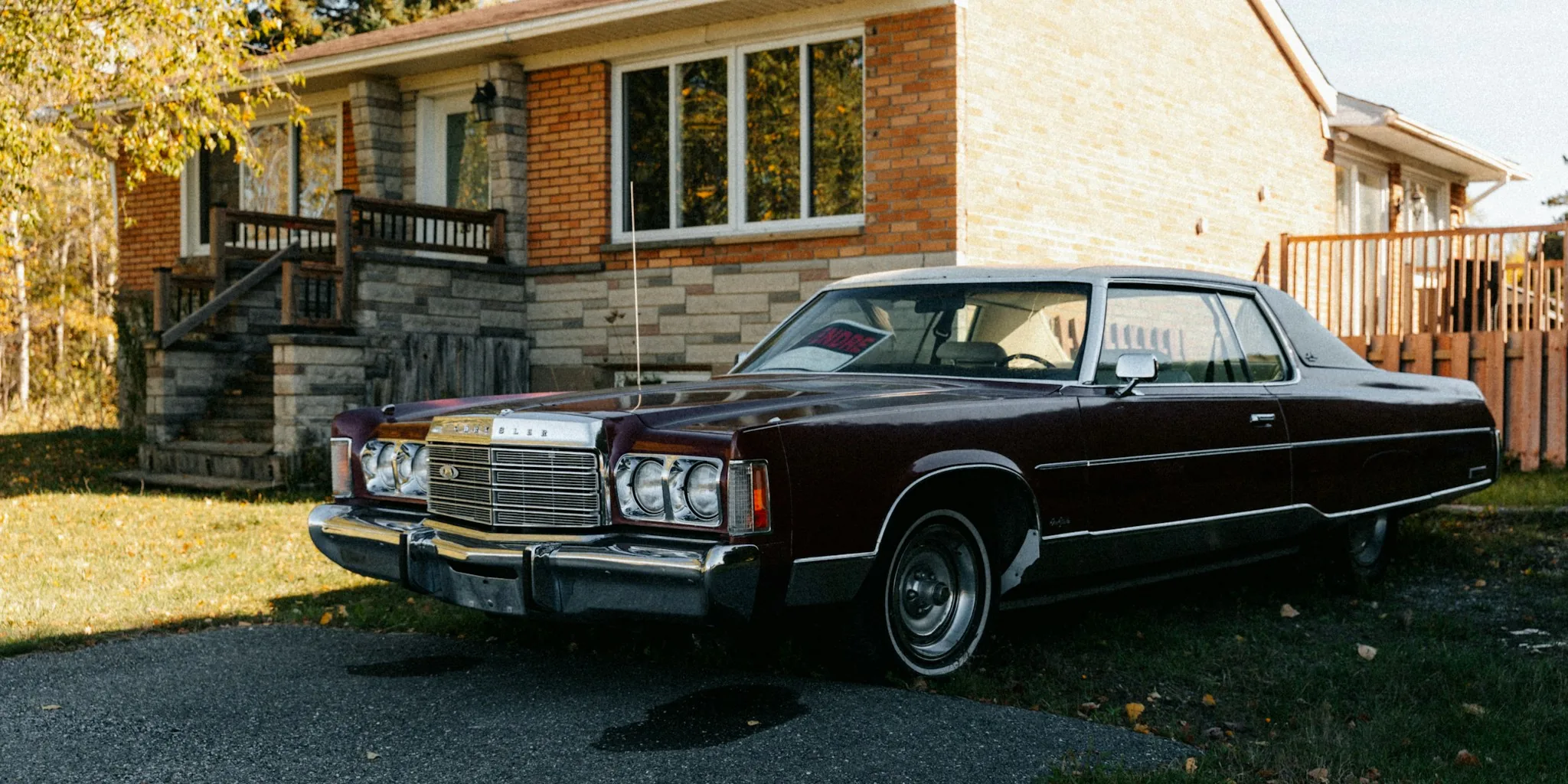

Across American neighborhoods, a peculiar phenomenon is becoming increasingly visible: vintage and classic cars sitting unused in driveways, garages, and side yards. From 1960s Mustangs to Corvettes buried under tarps, these vehicles tell a complex story about consumer priorities, economic pressures, and the dreams that keep car owners holding onto their prized possessions.
Understanding what’s happening with these dormant vehicles offers important insights into the used car market, the psychology of car ownership, and what shoppers should know about the vehicles they might encounter.
The Pattern of Abandoned Dreams
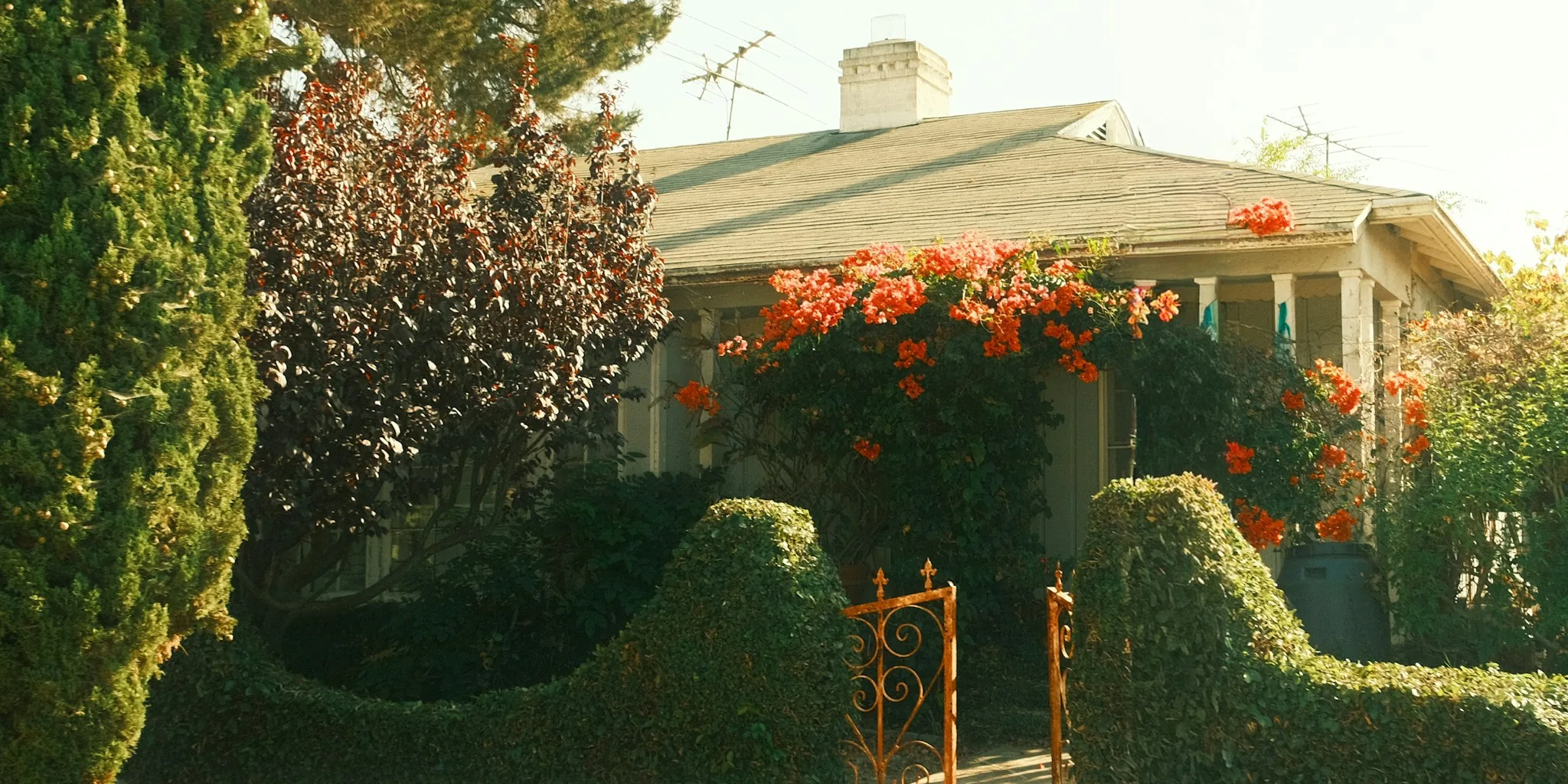
In suburban neighborhoods nationwide, you’ll find clusters of classic cars that haven’t turned a wheel in years. Thunderbirds wedged into shrubs, Mach I Mustangs with seized engines, Shelby Mustangs parked behind fences with parts scattered around them. These aren’t derelict vehicles accidentally left behind. They represent owner intentions that life circumstances have delayed or derailed.
The cars tend to follow recognizable patterns. The muscle-car era dominates, with big-block Chevys, Mopars, and Ford models well-represented. Datsun Zs, classic BMWs, Triumphs, and MGs appear frequently. What’s notably absent: practical, sensible replacements like the Toyota models or Mazda vehicles that succeeded the classics. The common thread is fun and nostalgia, not utility.
Original owners and subsequent buyers hold onto these cars because they represent gateways to personal memories and aspirational versions of themselves. A ’65 Corvette or a ’68 Mustang GT isn’t just transportation. It’s a link to youth, freedom, or accomplishments that mattered deeply.
Economic Realities Collide with Car Dreams
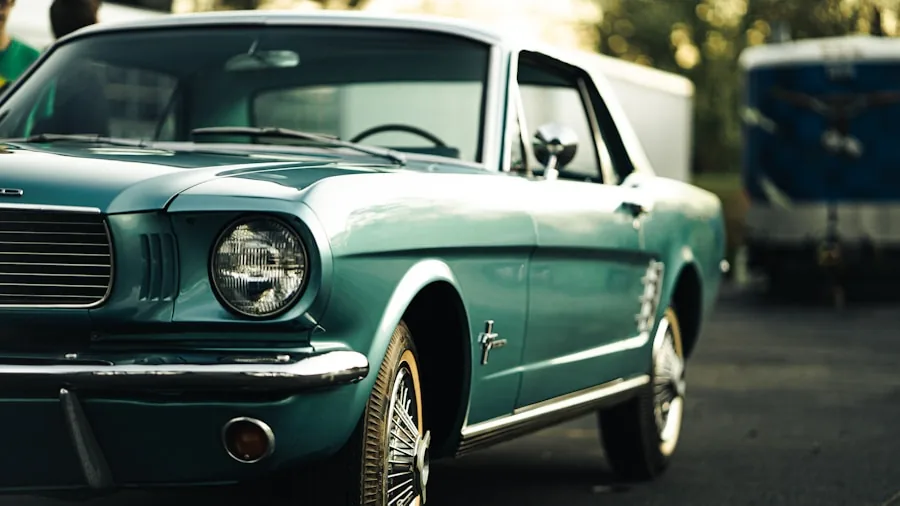
What prevents these vehicles from moving is rarely mechanical alone. In growing regions with expensive housing markets, working families struggle with rent and mortgage payments that consume resources once available for hobby cars. A restoration project that seemed manageable decades ago now competes for space and money against family needs.
The telltale signs are everywhere: a Haynes shop manual sitting on a decaying seat, suggesting plans interrupted; engine gasket sets waiting on back benches; tools scattered around vehicles with primered bodywork; chunks of rotted convertible tops hanging from crossmembers. These aren’t abandoned vehicles. These are delayed dreams.
Owners maintain psychological ownership even when physical neglect accelerates. As long as the car exists, the possibility remains alive. The connection to one’s special place, as enthusiasts call it, never truly dies.
What This Means for Used Car Shoppers
The prevalence of stored and semi-restored vehicles affects the broader used car landscape in several ways. First, it reduces the available inventory of quality classic and muscle cars in active circulation. If you’re shopping for a 1960s-era vehicle, you’re competing with owners who may keep their cars off the market indefinitely, even when stored.
Second, it suggests opportunity for patient buyers. Many stored vehicles will eventually reach the market when owners retire, downsize, or pass them to younger generations. Estate sales and circumstantial liquidations frequently release well-maintained classics at competitive prices.
Third, it underscores the importance of vehicle history and storage conditions when evaluating any car. A properly stored vehicle protected from weather may be more valuable than one that’s been regularly driven but exposed to the elements. Understanding how a car has been kept reveals more about its condition than mileage alone.
For buyers interested in reliable vehicles that depend on quality components like car batteries, awareness of storage issues becomes critical. Extended storage can degrade electrical systems, fuel systems, and internal engine components, so any classic car should undergo thorough inspection before purchase.
The Connection Between Owner Stories and Vehicle Value
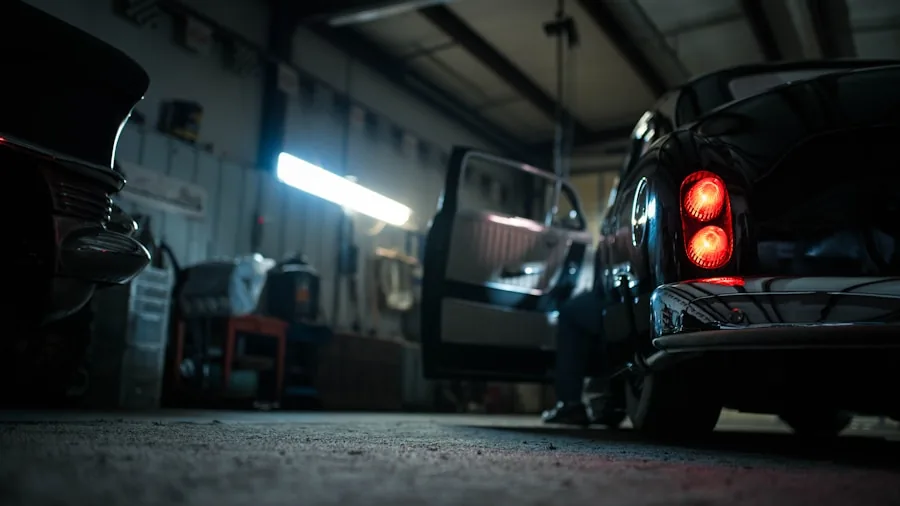
Certain models, particularly first-generation Mustangs and classic Beetles, maintain cultural cachet that keeps owners emotionally invested. These vehicles transcend transportation to become cultural touchstones. They were events in popular culture, and that status gives owners reasons to preserve them even when practical considerations suggest selling.
The Volkswagen Beetle particularly demonstrates staying power. While practical successors like the Rabbit and Scirocco disappeared from many neighborhoods, Bugs persist. Their association with humor, accessibility, and cultural moments gives them longevity that more sensible replacements lack.
For shoppers evaluating vintage cars, this means recognizing that well-preserved examples from these iconic generations command premiums justified by both cultural significance and market demand. Conversely, less iconic vehicles from the same era may be overlooked despite equal or superior quality.
What Owners and Buyers Should Consider
If you’re storing a classic car, recognize that delayed restoration becomes increasingly expensive. Parts availability, expertise costs, and material degradation all work against you. Establishing realistic timelines prevents dreams from becoming expensive albatrosses.
If you’re shopping for a classic or vintage car, ask informed questions about storage history. How was the vehicle protected? What maintenance was performed? Did previous owners use quality car charging solutions and maintain battery health? These details matter for vehicles that may have sat dormant for years.
The reality is clear: cars still represent dreams for many Americans. Those dreams persist even as life circumstances change. Understanding the stories behind stored vehicles provides valuable context for anyone navigating the used and classic car markets.

Write Your Review
No reviews yet. Be the first to share your experience!