
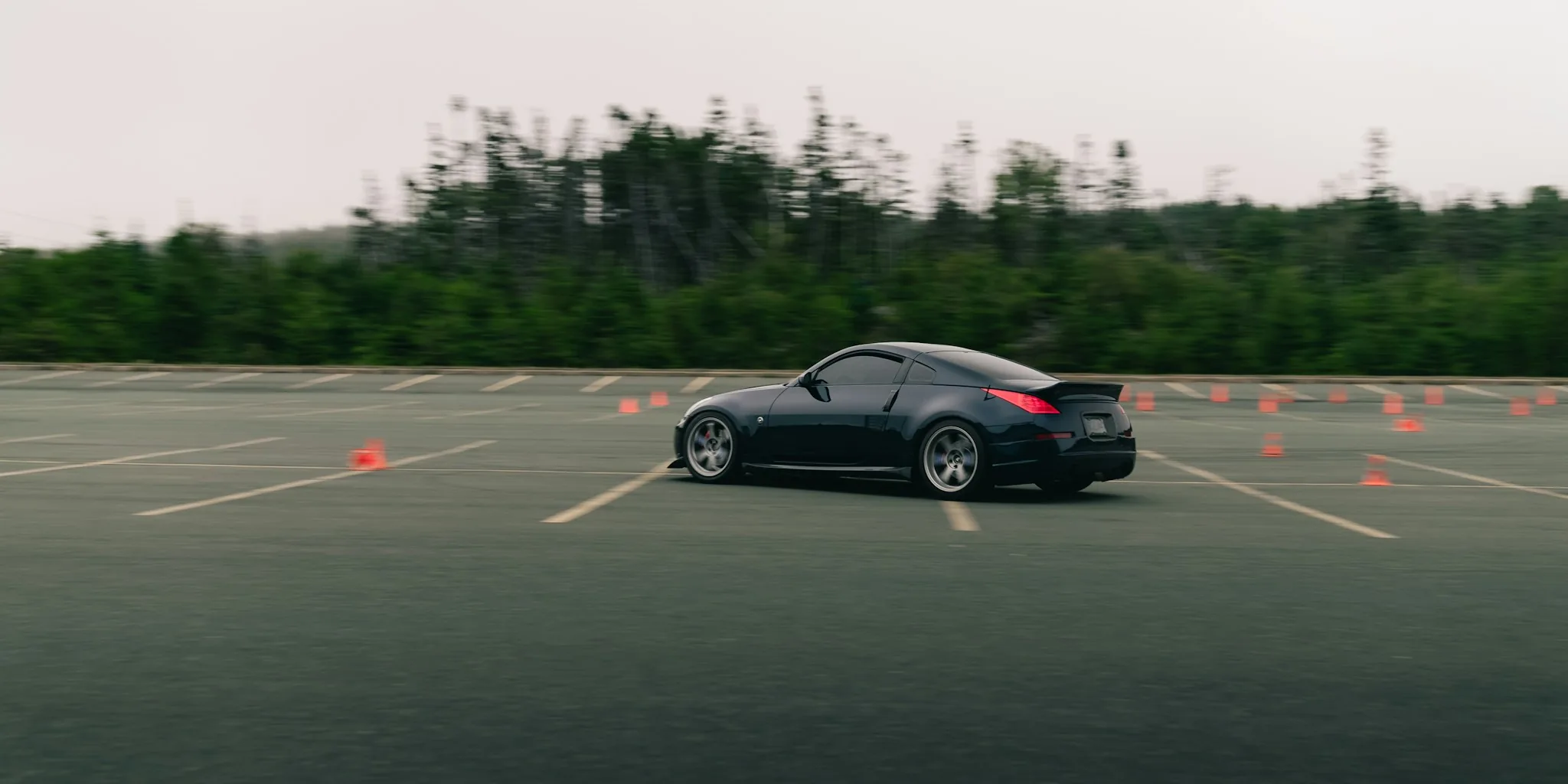

Ford Brings Back the Cobra Name for a Track-Ready Mustang
After decades away, the Cobra nameplate is returning to the Mustang lineup in 2028, signaling Ford’s commitment to high-performance pony cars. The new Mustang Cobra will serve as a bridge between the Dark Horse and the more extreme Dark Horse SC, offering buyers a chance to own a car built for both the street and the track. This revival carries significant weight for enthusiasts, as it replaces the legendary Shelby GT350 nameplate that ended production in 2020.
What Makes the New Cobra Special
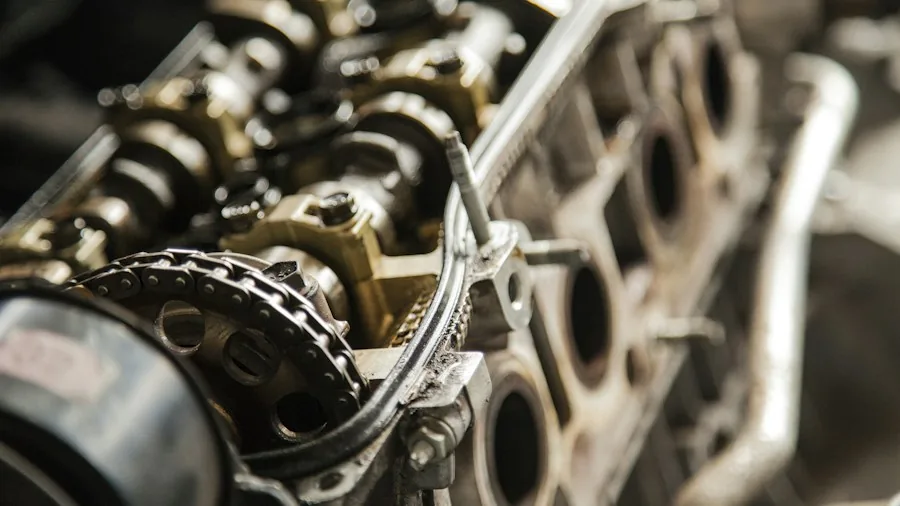
The 2028 Cobra will feature a naturally aspirated 5.4-liter V-8 engine derived directly from the Mustang GT3 race car, which has proven itself at major motorsports events including the 24 Hours of Daytona and Le Mans. This race-proven engine represents a different direction from the beloved Voodoo V-8 that powered the previous generation, but Ford is positioning it as a legitimate successor with serious credibility on the track. The engine will likely produce more than 550 horsepower, pushing past the artificial limits imposed by racing regulations.
Paired with the engine will be a six-speed manual transmission, reinforcing Ford’s commitment to driver engagement and delivering the kind of hands-on experience that performance enthusiasts crave. The choice of a manual over a modern automatic underscores Ford’s understanding that the Cobra buyer wants a tactile, connected driving experience.
Design and Platform Expectations
The Cobra will continue using the S650 platform, which represents an evolution of the chassis that powered Mustangs from 2015 through 2023. Engineers are expected to adapt the styling from the Dark Horse SC while adding track-specific touches, including what many expect to be a rear wing inspired by the 2000 Cobra R. There is also speculation among automotive analysts that Ford may develop an even more extreme Cobra R variant featuring aggressive aerodynamics, enhanced braking systems, and weight reduction measures that could include removing the rear seats entirely.
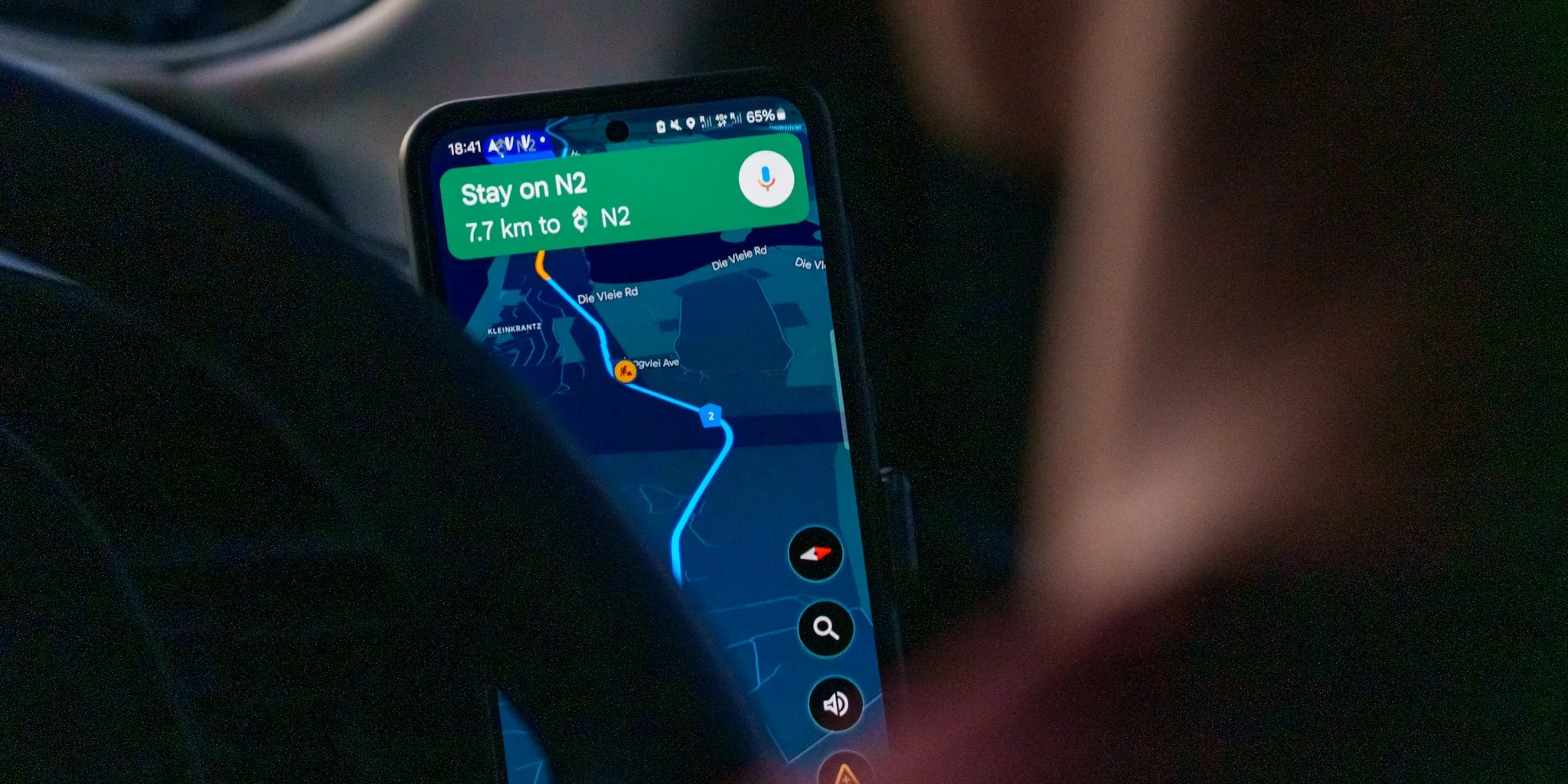
For shoppers considering car phone mounts for long drives, the Cobra’s focus on driver engagement means fewer distractions and more attention to the road. This car is not designed for casual cruising but rather for serious driving enthusiasts who want to maximize their connection to the vehicle.
What This Means for Buyers

The return of the Cobra name carries real significance in the muscle car market. Right now, the Mustang stands largely alone in the V-8 performance segment, as Dodge’s Charger was recently retired and Chevrolet has moved on from the Camaro. Dodge plans to reintroduce a supercharged V-8 Charger around 2028, while Chevy is developing a new Camaro for roughly the same timeframe. The Corvette remains the only other affordable V-8-powered American sports car, though its mid-engine layout places it in a different category entirely. This means the 2028 Cobra will face new competition just as it arrives.
Pricing remains a critical concern for potential buyers. The Dark Horse SC already carries a substantial $105,585 price tag, which represents a significant jump from its predecessor. Ford will need to balance the Cobra’s race-derived credentials with an accessible price point, likely starting around $80,000 but potentially climbing to $100,000 or beyond for a fully equipped Cobra R. Whether buyers perceive this pricing as justified will depend largely on how the new engine performs and how eagerly Ford markets its racing heritage.
Timing and Market Strategy
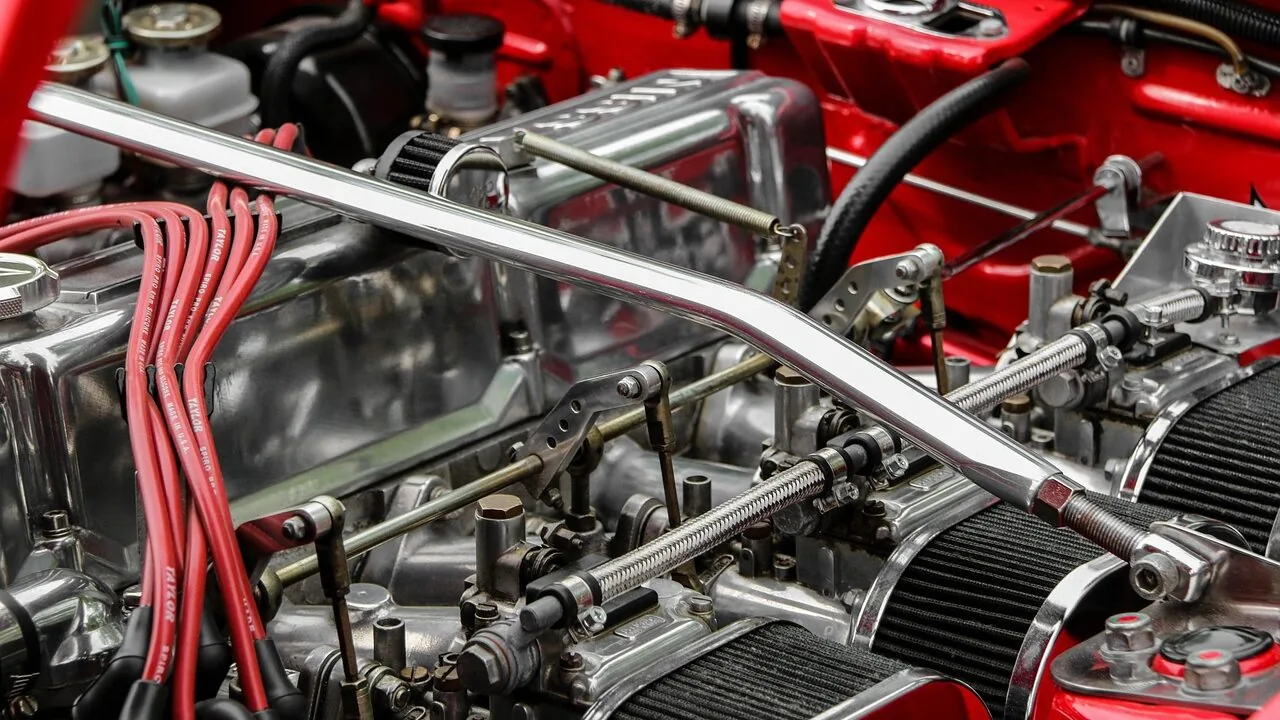
Ford is expected to reveal the Mustang Cobra in early 2027, with customer deliveries beginning before year’s end. This timing positions the car as a response to competitor reintroductions and allows Ford to maintain momentum in the performance vehicle sector. For buyers who already own quality car speakers or other performance upgrades, the Cobra represents an opportunity to build from a platform designed with track capability in mind.
The new Cobra represents Ford’s strategy to keep the Mustang nameplate relevant in an era when electrification is becoming dominant. By doubling down on a race-derived naturally aspirated engine and manual transmission, Ford is making a clear statement about what it believes enthusiasts want. Whether this gamble pays off will become clear once the car hits the market and buyers get their first chance to experience the Cobra’s performance firsthand.


Write Your Review
No reviews yet. Be the first to share your experience!