

If you’ve shopped for a laptop recently, you’ve likely noticed that 256GB of storage remains the baseline offering on many models, even as smartphones with identical capacity have started to feel cramped. This trend mirrors what happened with 32GB phones just a few years ago, when they shifted from seeming luxurious to appearing downright stingy. Today, the same squeeze is happening in the laptop market, and it carries real implications for your wallet and long-term satisfaction.
Why 256GB No Longer Feels Like Enough
A 256GB drive can feel perfectly adequate if you spend most of your time in a web browser. The problem isn’t that it’s tiny, but rather that it offers minimal room to grow. Operating systems like Windows 11 and macOS consume significant space, and once you add applications, photo libraries, downloaded content, and regular software updates, that breathing room evaporates surprisingly fast. A single Spotify playlist of 1,000 songs, for instance, can consume nearly 10GB on its own.
What makes this situation particularly frustrating is that laptop storage, unlike RAM or processors, becomes more restrictive through normal use. As you accumulate files, photos, and applications over months and years, your fixed SSD capacity shrinks relative to your needs. If you’re shopping for a machine you intend to use as your primary computer for five or more years, 256GB increasingly looks less like a sensible specification and more like a built-in compromise.
Some manufacturers are starting to recognize this shift. Apple’s latest MacBook Air, for example, now starts with 512GB instead of 256GB, though the company raised prices to offset the higher component costs. Meanwhile, many budget laptop brands continue offering 256GB models to maintain lower price points. For those seeking the best laptops for specialized work, higher storage capacities have become nearly non-negotiable.
The Storage Replacement Problem

The situation would be less problematic if you could easily upgrade storage after purchase. Some Windows laptops, particularly those built with repairability in mind, still allow straightforward SSD replacement. However, the trend toward thinner and lighter designs means many modern notebooks, including all MacBooks, essentially lock you into your original storage choice at checkout. You cannot expand the drive later without professional help or voiding your warranty.
This design philosophy creates a genuine dilemma at purchase time. Choose 256GB to keep costs down, and you might regret it within a year or two. Spend more on higher capacity upfront, and you’re paying a premium for a luxury you might not immediately need. It’s a frustrating position that no consumer should face, yet here we are.
How Cloud Storage Is Quietly Becoming Your Solution (and New Expense)
When local storage fills up, both Windows and macOS offer a seemingly convenient answer: cloud storage. Features like OneDrive’s Files On-Demand and macOS’s iCloud integration let you view and access files without them taking up physical space on your SSD. These tools genuinely reduce the pain of storage constraints, and they work well for files you access infrequently.
The problem emerges gradually and almost invisibly. You fill your drive, shift more files to the cloud, and eventually upgrade to a paid cloud plan to maintain adequate online storage. What began as a reasonable hardware compromise becomes yet another monthly subscription you barely notice. Cloud storage is also not a perfect substitute for local storage, since applications, games, system caches, and many other files must remain on your SSD regardless. A full internet connection also becomes a requirement for accessing cloud-stored content, limiting your flexibility on the go.
Students and professionals doing demanding work, such as those looking at the best laptops for college, are particularly vulnerable to this trap, as they accumulate large project files, lecture recordings, and media assets throughout their studies.
Why Storage Isn’t Improving Fast Enough
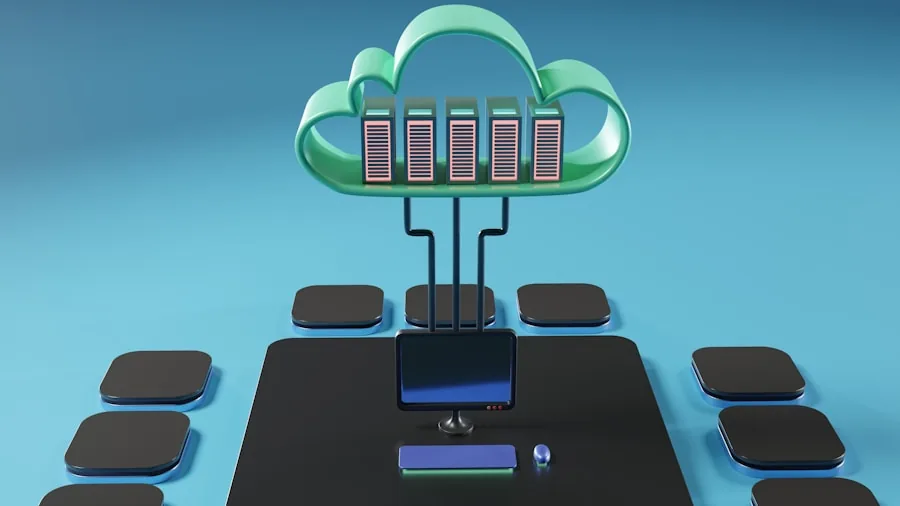
You might wonder why manufacturers don’t simply make 512GB the new baseline. The answer involves unfortunate timing. The AI boom has created massive demand for memory and storage components used in data centers. This increased competition for the same chips has driven component costs higher, forcing laptop makers to choose between raising prices or making compromises elsewhere. Even established companies like Apple have opted to increase prices across their entire lineup rather than absorb higher component expenses.
This memory and storage shortage, sometimes called the component crunch, is affecting everything from smartphones to gaming consoles. Until demand stabilizes or manufacturing capacity increases, expect 256GB to remain common on mid-range and budget laptops for demanding professional work, even as it becomes increasingly inadequate for real-world use.
What This Means for Your Next Laptop Purchase
When shopping for your next laptop, treat storage with the same gravity you’d give to processor and memory specs. The 256GB baseline isn’t obsolete yet, but its days as an acceptable default should be numbered, just as 32GB phones fell from grace. If you plan to keep your laptop for several years, prioritize at least 512GB, even if it means paying more upfront. The monthly cloud subscription costs you’ll avoid will quickly justify the higher initial investment.


Write Your Review
No reviews yet. Be the first to share your experience!