
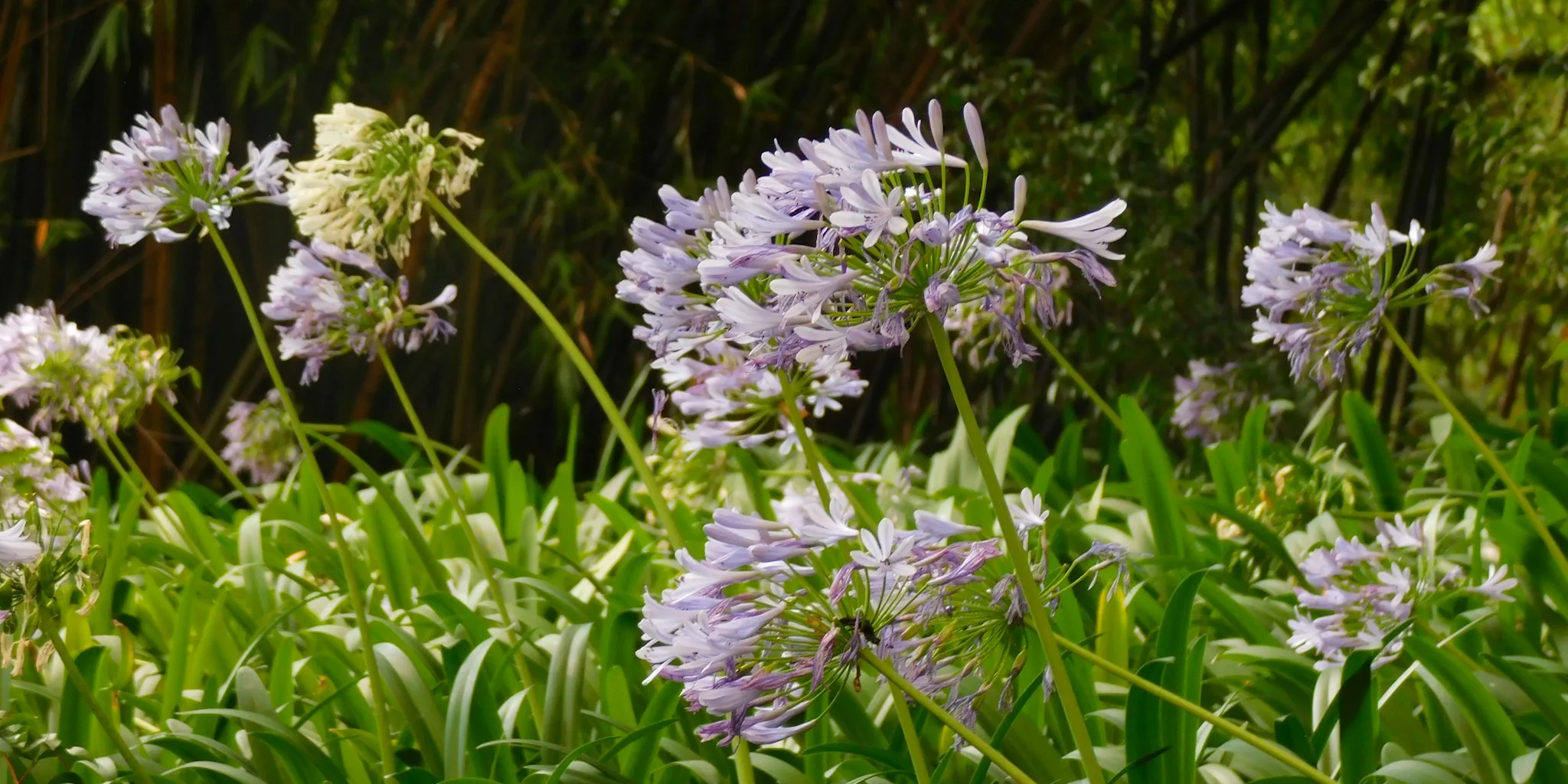

Why August Matters for Your Agapanthus
August brings intense heat and dry conditions to most of the country, creating stress on even the toughest garden plants. Agapanthus, also known as African Lily or Lily of the Nile, are stunning ornamental flowers that produce those whimsical blooms hovering above garden beds in striking colors. However, the summer heat can test their resilience if you are not careful. Taking time now to provide proper care will reward you with beautiful late-season flowers and a healthy plant that survives winter strong.
Tip 1: Water Correctly When Soil Dries
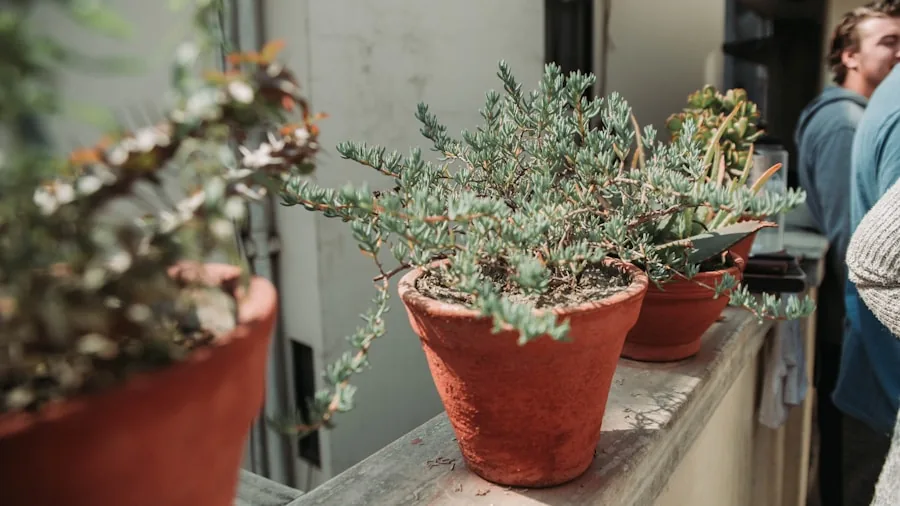
Agapanthus plants need consistent moisture during the hot months, even though they prefer well-draining soil. Check your soil regularly by sticking your finger 2 inches down into the ground or container. When that layer feels dry, it is time to water. This simple check prevents both overwatering and underwatering.
Tip 2: Pay Special Attention to Container Plants
Many gardeners in cooler regions grow agapanthus in pots so they can move plants indoors before frost arrives. Container soil dries out much faster than garden soil, especially in August heat. If you are growing agapanthus in pots, monitor moisture levels more frequently and water more often than you would for in-ground plants. A single dry day in a container can cause wilting that damages blooms.
Tip 3: Deadhead Spent Blooms Regularly
Removing wilted flowers redirects the plant’s energy away from seed production and toward developing deeper, stronger roots for winter survival. Use clean, sharp pruning shears to snip off spent flower heads. This simple task also keeps your plants looking neat and attractive throughout the season. Similar ornamental plants also benefit from deadheading in August, making this a consistent practice across many garden specimens.
Tip 4: Harvest Seeds If You Want to Propagate
If you would like to grow new agapanthus plants for next spring, allow some flowers to fade naturally and develop seed heads. Wait until the pods turn dry and brown and begin to split on their own. Gently shake the mature pods to release seeds, then sow them immediately or store them in a cool, dry place for planting in late winter. This is an economical way to fill your garden with more of these stunning plants without buying nursery stock.
Tip 5: Apply Fertilizer Before Late Summer Ends
August is your final opportunity to feed agapanthus for the season. A balanced fertilizer replenishes soil nutrients and gives the plant energy to produce its last blooms while also strengthening roots for the dormant months ahead. Choose an organic, gentle formula that supports both flowering and overall plant health. After August, stop feeding entirely, because late-season fertilizing encourages tender new growth that cold snaps will damage.
Tip 6: Avoid Fertilizing Too Late in the Season
This deserves its own emphasis. Once fall approaches and days grow shorter, your agapanthus naturally begins transitioning to dormancy. Applying fertilizer after August tricks the plant into pushing out new leaves and stems that have not yet hardened off. When temperatures drop, these tender tissues will suffer frost damage, weakening the plant going into winter. Hardy plants like agapanthus need proper timing for nutrition to stay resilient through seasonal changes.
Tip 7: Plan Ahead by Knowing Your First Frost Date

Understanding when frost typically arrives in your area helps you time all your August care correctly. You can find your average first frost date by entering your ZIP code into the Old Farmer’s Almanac website. Knowing this date guides your feeding schedule, watering intensity, and other care decisions. Other plants like lavender also depend on frost-date awareness for proper summer care.
Putting It All Together
Agapanthus are relatively low-maintenance plants that reward thoughtful August care with spectacular blooms and winter hardiness. Focus on consistent watering, especially for container plants, regular deadheading to maintain appearance and encourage root growth, and one final fertilizer application before month’s end. These three core practices, combined with awareness of your local frost date, create the ideal conditions for agapanthus success. Give your plants this extra attention now, and they will repay you with years of stunning, hovering blooms.






Write Your Review
No reviews yet. Be the first to share your experience!