
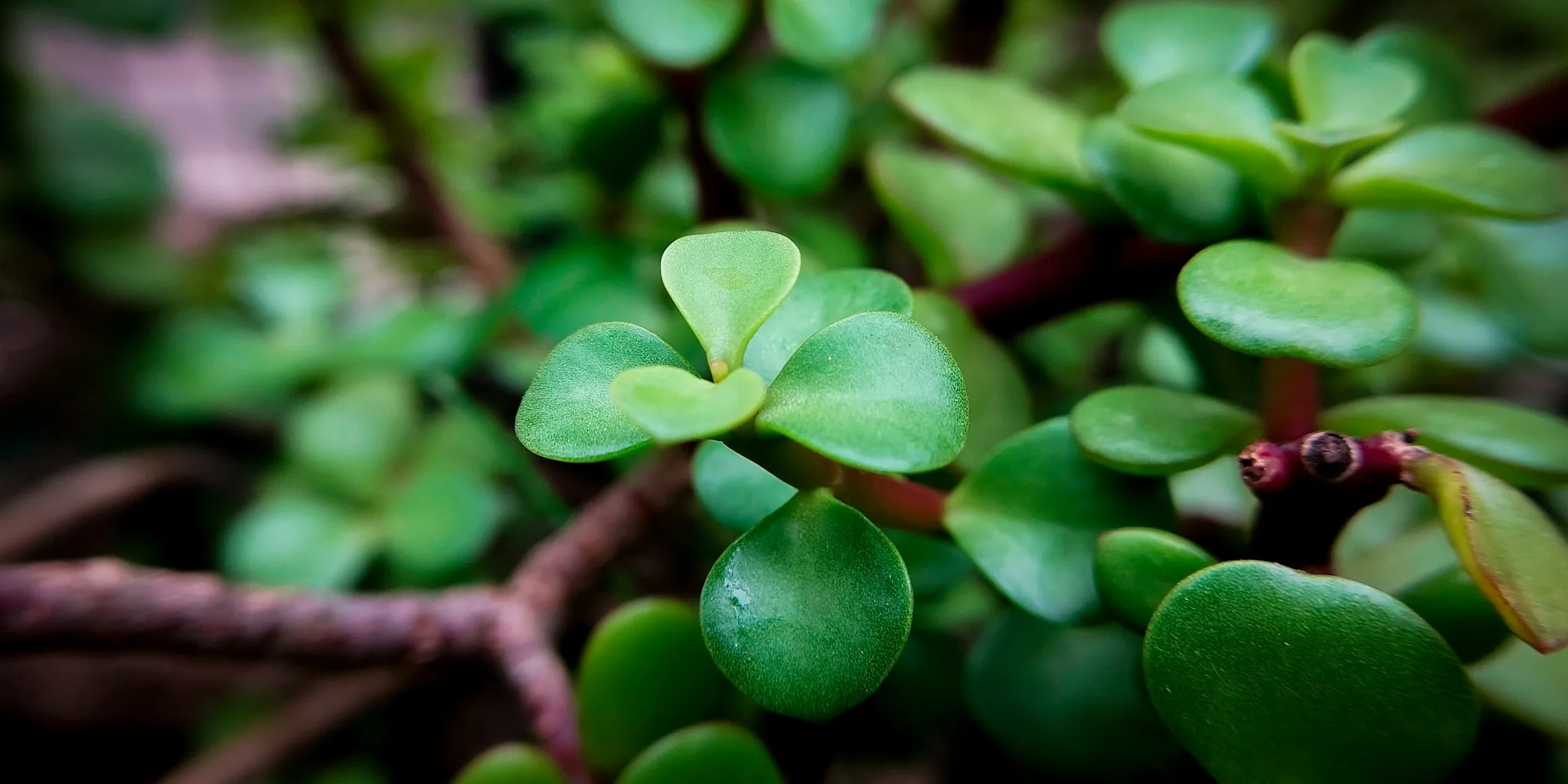

October marks a turning point for jade plants. As days shorten and temperatures drop, your succulent enters a dormant season that demands a different care strategy than the growing months. Getting these seasonal adjustments right keeps your jade healthy, prevents root rot, and even increases your chances of seeing those coveted winter blooms. Here are seven essential changes to make this fall.
1. Move Your Jade to the Brightest Window Available
Shorter days and a lower sun angle in October mean less light reaches your jade plant. Without sufficient brightness, stems stretch out, leaves space farther apart, and the entire plant becomes weak and leggy. Jade plants need at least four hours of direct sunlight daily to stay compact and healthy.
Position your pot in a south or west facing window if possible. However, keep the foliage away from cold glass on chilly nights and position it well away from heating vents or radiators. If natural light is insufficient, consider supplementing with a grow light to maintain the intensity your plant needs through the darker months.
2. Reduce Watering Dramatically
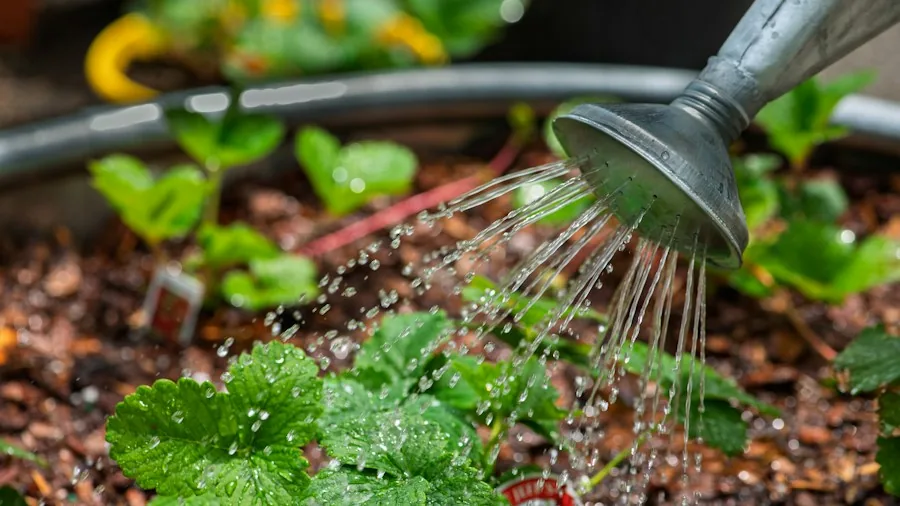
Overwatering is the number one cause of jade plant problems in fall and winter. As growth slows and temperatures cool, the soil stays wet far longer than it does in summer. A plant that needs regular hydration in July will rot if watered on the same schedule in January.
Before watering, check the soil moisture thoroughly. The soil surface dries quickly, but moisture remains deeper in the pot. Push a wooden chopstick to the bottom of the pot and remove it. If soil sticks to the stick, wait several more days. When the mix is finally dry, water thoroughly until liquid drains from the pot bottom, then allow it to drain completely.
Yellow, soft leaves that drop easily indicate overwatering and root damage. Wrinkled or deflated leaves signal the opposite problem. Learn to read your plant and adjust frequency accordingly.
3. Stop Feeding Until Spring Growth Begins
Jade plants hardly grow from fall through late winter, making fertilizer unnecessary and potentially harmful. Nutrients your plant cannot use accumulate in the potting mix as salt buildup, making it harder for roots to absorb water. In severe cases, this burns root tips and damages the plant.
Hold off on any feeding until you observe fresh new growth appearing in spring. This timing ensures nutrients go to active growth rather than accumulating in dormant soil.
4. Bring Outdoor Plants Inside Before the First Cold Snap
If your jade summered outside, monitor nighttime temperatures carefully. Jade plants thrive with nights around 50 to 55 degrees Fahrenheit. Once nighttime temperatures regularly drop below 50 degrees, bring the pot indoors.
Temperatures below 40 degrees can kill a jade plant. Place the newly indoor plant in your sunniest window, using a plant stand if necessary to raise it closer to the light source. Some leaves may drop after this transition, but firm green leaves falling off usually reflect stress from the move rather than disease.
5. Rotate Your Pot Weekly
Stems naturally bend toward light, and weak winter illumination makes this lean obvious quickly. A pot left facing one direction from October through March can become noticeably lopsided. Rotating your plant a quarter turn each time you water keeps new growth balanced on all sides.
While rotation won’t straighten an already bent stem, it prevents the problem from worsening. Additionally, mature jade plants become heavy. A wide clay or ceramic pot provides better stability than lightweight plastic, which can tip over from the plant’s weight and lean.
6. Inspect for Common Pests Before Moving Plants Inside
Check your jade thoroughly before bringing outdoor plants indoors, since pests multiply rapidly in the warm indoor environment. Mealybugs and scale are the most common pests on jade plants.
Mealybugs appear as small white cottony clusters in stem joints and branch forks. Use rubbing alcohol on a cotton swab to remove them, testing on one leaf first since the alcohol can damage some foliage. Scale insects appear as flat tan or brown bumps attached tightly to stems and leaf veins, often leaving a sticky residue below.
7. Delay Pruning and Repotting Until Spring
Heavy pruning and repotting stress plants most when they are not actively growing. Save major pruning jobs for spring unless you need to remove soft, damaged stems. Jade plants tolerate being root bound for years without harm.
If pruning is necessary, make cuts on soft or damaged tissue with clean, sharp tools. Reserve repotting for spring when growth resumes, using a clay pot with drainage holes and cactus specific potting mix for fast drainage.
Winter Blooms Are Within Reach
Follow these seven steps consistently through the cold months, and by March your jade should look essentially the same as it did in October. That stability alone is a win. But if you nail the routine, you might earn an even better reward: mature jade plants sometimes produce clusters of small white or pale pink star shaped flowers during winter. Those delicate blooms, which appear after sustained cool nights, make all the seasonal adjustments worthwhile.


Write Your Review
No reviews yet. Be the first to share your experience!