
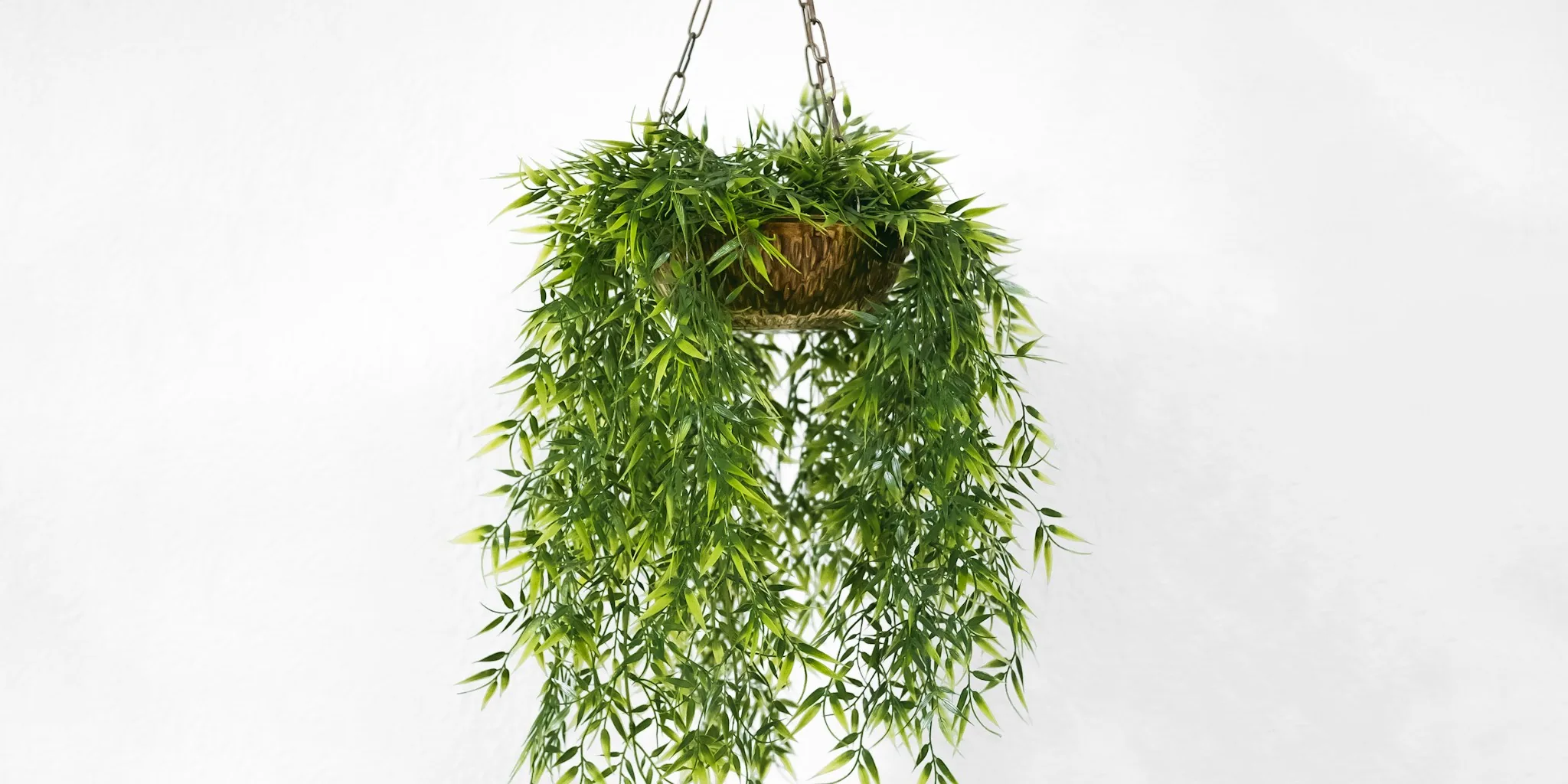

Removing a wasp nest might feel like the problem is solved, but the location itself tells a different story. The spot that housed the colony remains attractive to new queens scouting for spring nesting sites. It’s still dry, sheltered from wind, and protected from the elements. Within months, another queen could move in and rebuild. The solution isn’t leaving the space empty. Instead, filling that eave or porch corner with fragrant plants makes the location far less appealing while adding visual interest and natural pest control to your outdoor spaces.
Why Plants Work Better Than Empty Space
When a wasp colony establishes itself, queens return to proven locations year after year. A queen looking for a new home in early spring conducts a careful search for shelter. She isn’t hunting for old paper or debris. She’s evaluating the structural qualities of the space itself. An empty eave that was once a nest site remains a perfect candidate for rebuilding.
By hanging a plant in that location, you accomplish two objectives at once. First, you occupy the physical space, making it no longer available or appealing for construction. Second, you introduce a strong fragrance that discourages wasp activity. The plant essentially says to potential scouts: this location is active and occupied, not an empty invitation. This approach works best when plants are placed at eave height, where air movement carries the scent directly to where a scout would land.
The fragrance component matters most, so these plants should be within arm’s reach. A pinch or brush in passing releases far more aromatic oil than a plant sitting undisturbed. Pinch the stems regularly as you pass by to keep the scent active and strong.
Six Plants That Repel Wasps
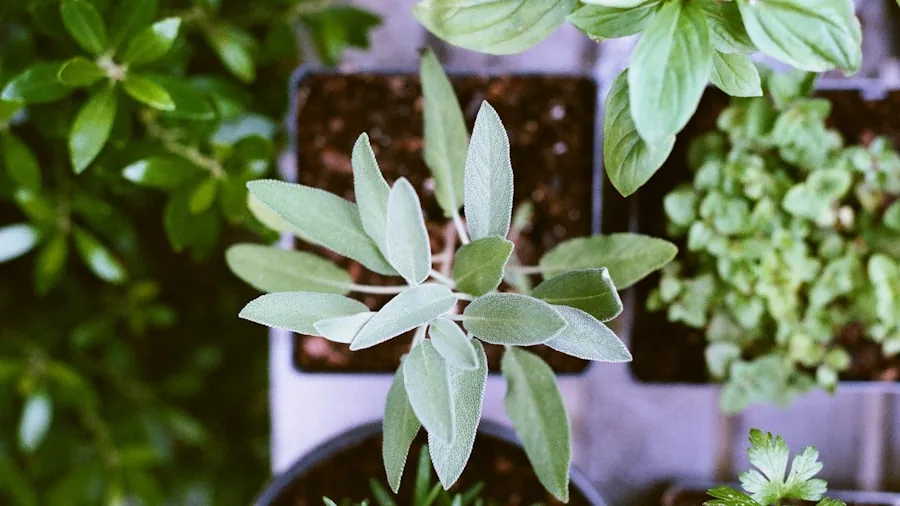
Spearmint: The Hardy Herbal Deterrent
Spearmint has earned its reputation as a versatile pest deterrent. This plant contains high menthol content that wasps naturally avoid. It thrives in USDA zones 3 through 11, making it suitable for nearly every region in the country. Spearmint spreads aggressively, so hanging it in a basket prevents it from taking over surrounding spaces. Give it full sun to part shade, steady moisture, and a hard cutback when it becomes scraggly. Pinch the stems regularly to maintain potent fragrance.
Wormwood: The Bitter Barrier
Wormwood’s bitter compounds, absinthin and thujone, sit within silvery foliage that few pests find appealing. Hardy in zones 4 through 9, this plant demands full sun and fast-draining soil. Soggy roots will damage it more quickly than cold winters. Once established, water sparingly and shear it in spring to prevent woody growth. Since wormwood roots leach compounds that can stunt neighboring plants, keeping it in its own container is ideal. Plant it where it won’t interfere with other tender vegetation nearby.
Common Thyme: The Powerful Herb
The compound thymol, derived from common thyme, shows up in many commercial insect repellents for good reason. This trailing herb adapts well to zones 5 through 9 and thrives in full sun with gritty, sparse soil. Thyme actually sulks in rich compost and rots in wet conditions, so err on the side of dryness. Trim after flowering to prevent bare, hard stems from developing. Skipping this maintenance for two consecutive years means essentially starting over with a new plant.
Lemongrass: The Citrus Alternative
True citronella oil comes from lemongrass, not the citronella-scented geranium sold under that misleading name. Lemongrass packs citral and citronellal compounds and smells potent the moment a leaf gets bruised. In zones 9 through 11, lemongrass grows year-round as a perennial. North of that, treat it as a summer container that moves indoors before frost. This plant prefers full sun, generous water, and a pot larger than seems necessary. It grows fast enough to fill a hanging basket by August and can be overwintered indoors, though it may look rough by spring before recovering.
Silver Dollar Eucalyptus: The Dried Fragrance Option
Florists appreciate eucalyptus because heat and steam draw oil from the leaves. A hot July eave does something similar naturally. Eucalyptus tolerates hot conditions and grows in zones 8 through 11. North of that, grow it as a container annual in full sun with dry soil. Pinch the tips regularly or it becomes leggy quickly. Cut stems retain their scent for weeks after drying, so you can use a bundle tacked near the old nest site as a temporary solution while a live plant fills in.
French Marigold: The Dual Purpose Flower
French marigolds deliver color while working for pest control through their foliage, not their flowers. Their scent intensifies during afternoon heat, exactly when wasp scouting activity increases. These annual plants need full sun and deadheading throughout summer. Give them less water than seems right. Overfed plants produce excess foliage at the expense of aroma, reducing effectiveness. Place the hanging basket at eave height rather than lower on the wall to maximize impact.
Installation and Maintenance Tips
Mounting height matters significantly. Wall-mounted plant hangers positioned under the eave work better than baskets hung lower. Coco coir-lined hanging baskets are a practical choice that lets air move through the foliage while keeping fragrance concentrated at the problem site. Container gardening offers flexibility for adjusting plant placement as needed throughout the season.
Remember that this approach prevents new colonies from establishing rather than repelling an existing nest. Once a colony is established, these plants won’t force wasps to leave. Prevention is the goal, and hanging the right fragrant plant gives you an attractive, natural solution that works all season long.





Write Your Review
No reviews yet. Be the first to share your experience!