
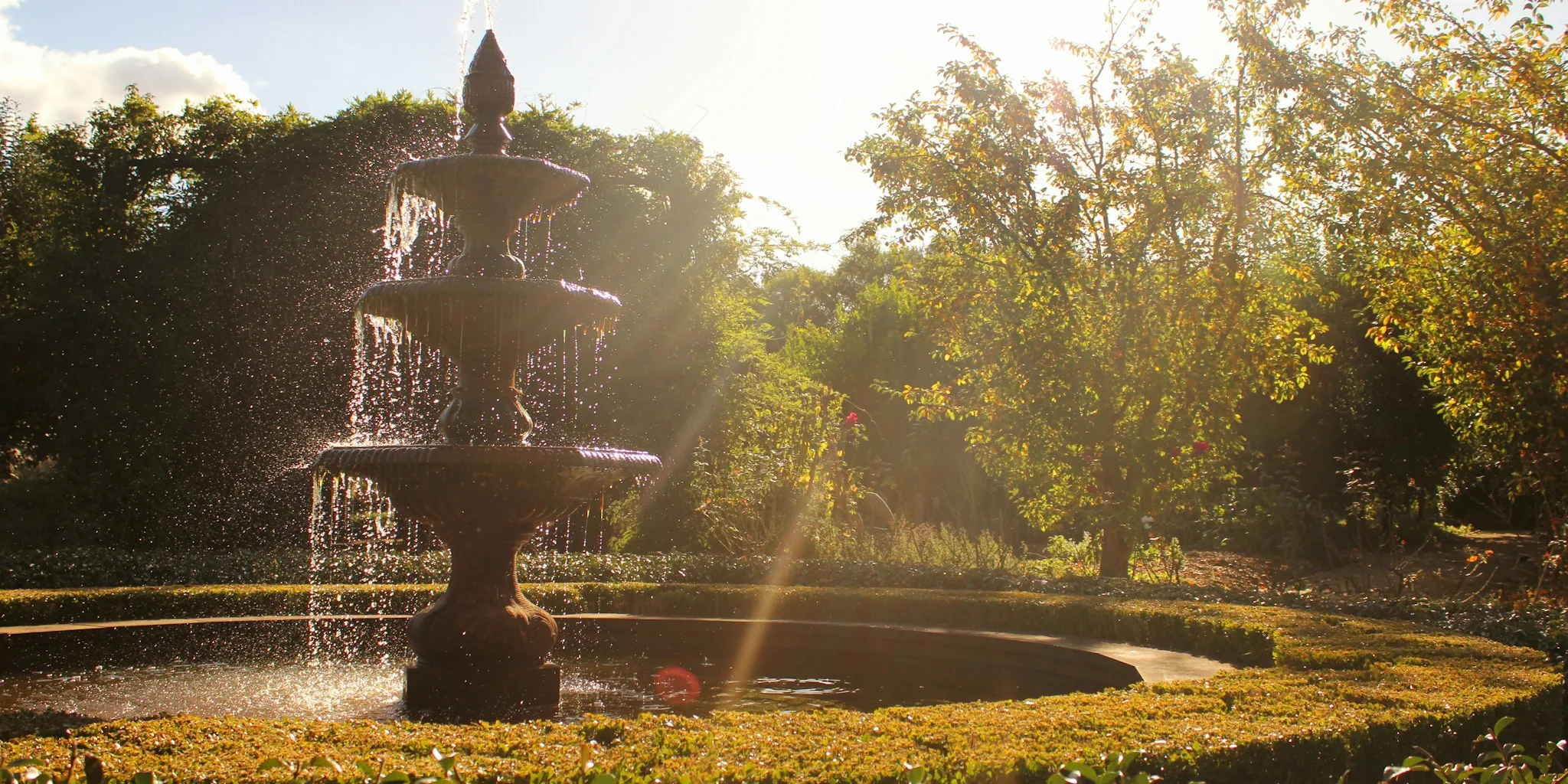

DIY Water Features Are Now Affordable and Accessible
Solar-powered water features have transformed backyard gardening this year, moving beyond expensive landscape installations into the hands of everyday garden enthusiasts. The trend toward DIY microponds built with floating solar fountains and attractive containers continues to gain momentum as homeowners seek budget-friendly ways to add visual interest and cooling effects to their outdoor spaces.
What makes this approach so appealing is the combination of practicality and style. A water feature naturally cools the surrounding air through evaporation, and the gentle sound of flowing water creates a calming environment. When paired with trailing plants and flowers, these DIY water bowl planters become true focal points that work across any garden size or design style.
Choosing the Right Containers Makes a Big Difference
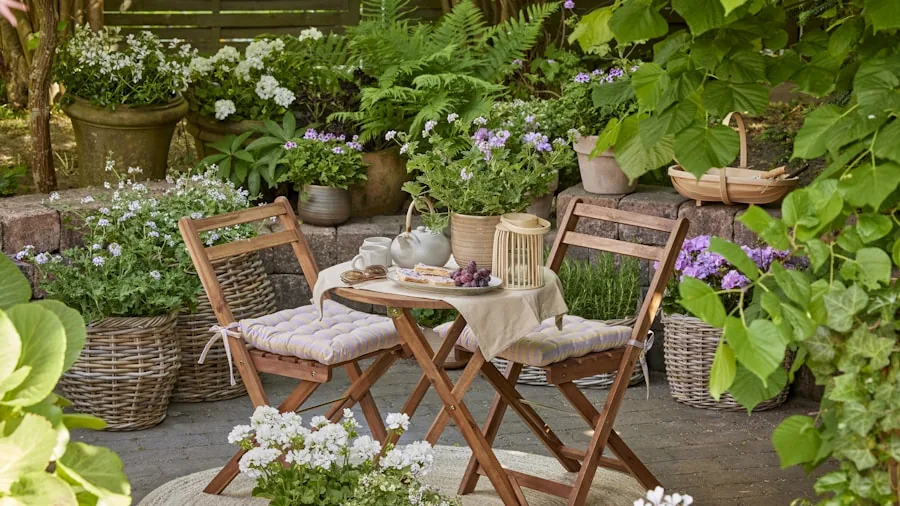
The foundation of a successful water bowl planter starts with selecting two containers of different sizes. Your inner water bowl should measure at least 12 inches wide to contain fountain splashes effectively. Look for succulent planters without drainage holes, as they work beautifully and cost far less than purpose-made water bowls. If you prefer other planter styles, marine silicone sealant can easily block drainage holes. Avoid terracotta, which is too porous to hold water properly.
Your outer container needs to be at least six inches wider than the inner bowl to provide adequate space for plants. Budget-friendly options include resin or composite plastic planters that mimic stone or metal but weigh significantly less and cost considerably less. Check your local hardware store for utility tubs or animal drinking troughs, which can be adapted by drilling drainage holes and function as attractive, durable planters.
Solar Fountain Wattage Matters More Than Price
The power output of a solar fountain, measured in watts, directly affects performance. Most 1W fountains suit birdbaths and shallow containers, producing only gentle spray. For larger containers and a proper water display, select a fountain rated at least 2W. If you want LED lighting, opt for 3W to 4W models to ensure adequate power for both the pump and lights without draining the battery too quickly.
Avoid the temptation to buy more powerful 5W to 6W fountains for small containers, as the spray pattern will overshoot the bowl and force constant water refilling. Look for stabilizing arms that keep the fountain centered and prevent water loss.
Consider adding a battery backup if you want your fountain to run on cloudy days or after sunset. A 2000mAh battery typically provides 3 to 4 hours of operation, while larger 4000mAh batteries power LED systems for 4 to 6 hours. Additional features like run-dry protection and debris filters extend the fountain’s lifespan significantly.
Location and Planting Strategy
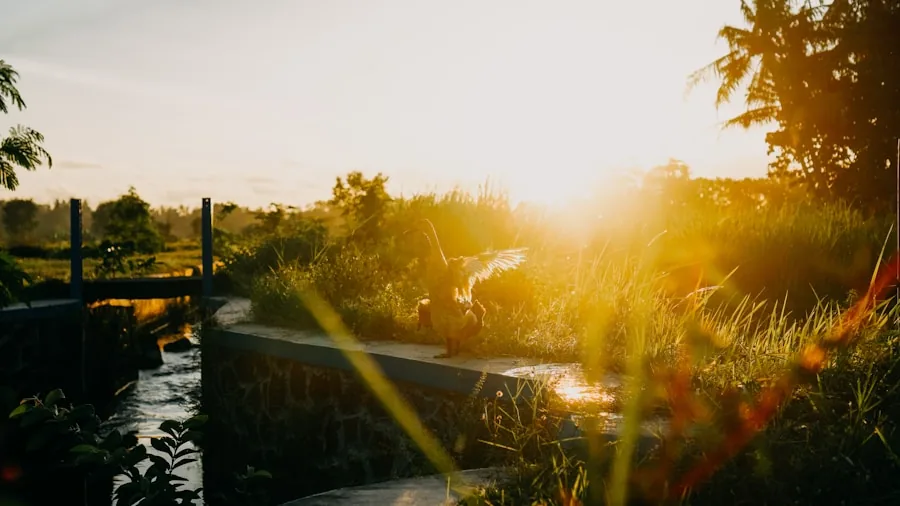
Position your water feature before planting to optimize both function and enjoyment. While solar panels need sunlight, aim for around 6 hours daily as a compromise, since water evaporates faster in intense heat. This strategy also prevents excessive algae growth. Avoid placing the feature directly under trees where falling leaves create maintenance problems.
Use moisture-control potting mix when filling the outer container, or enhance standard soil with water-storing crystals or coconut coir. Position the inner water bowl so its rim sits at least one inch higher than the outer container’s edge. Any bedding plants suitable for hanging baskets work perfectly, as they tolerate heat and splash well. Pansies and violas planted in July continue blooming through fall and winter in most climates. Plants with trailing stems add dimension and soften the structure’s edges.
Setup and Maintenance Considerations
After planting, water thoroughly until soil settles and drains properly. Then fill the inner container with water and activate the fountain. For enhanced visual appeal, add pool colorant or pond dye in your chosen shade.
Regular maintenance is minimal. Check water levels every few days, especially during hot weather, as evaporation increases quickly in small containers. Clean the solar panels monthly to maintain charging efficiency. If debris accumulates, empty and refill the water bowl.
The beauty of this project lies in its flexibility. You can easily swap seasonal plantings, change the fountain if needed, or relocate the entire feature. For those looking to expand their outdoor water setup, quality garden hoses make watering nearby plantings easier. If you’re interested in expanding your garden affordably, consider how propagating plants from existing stock can add more greenery around your water feature at minimal cost.
This DIY water bowl planter represents a smart investment in garden enjoyment, combining aesthetic appeal with practical cooling benefits at a reasonable price point.



Write Your Review
No reviews yet. Be the first to share your experience!