
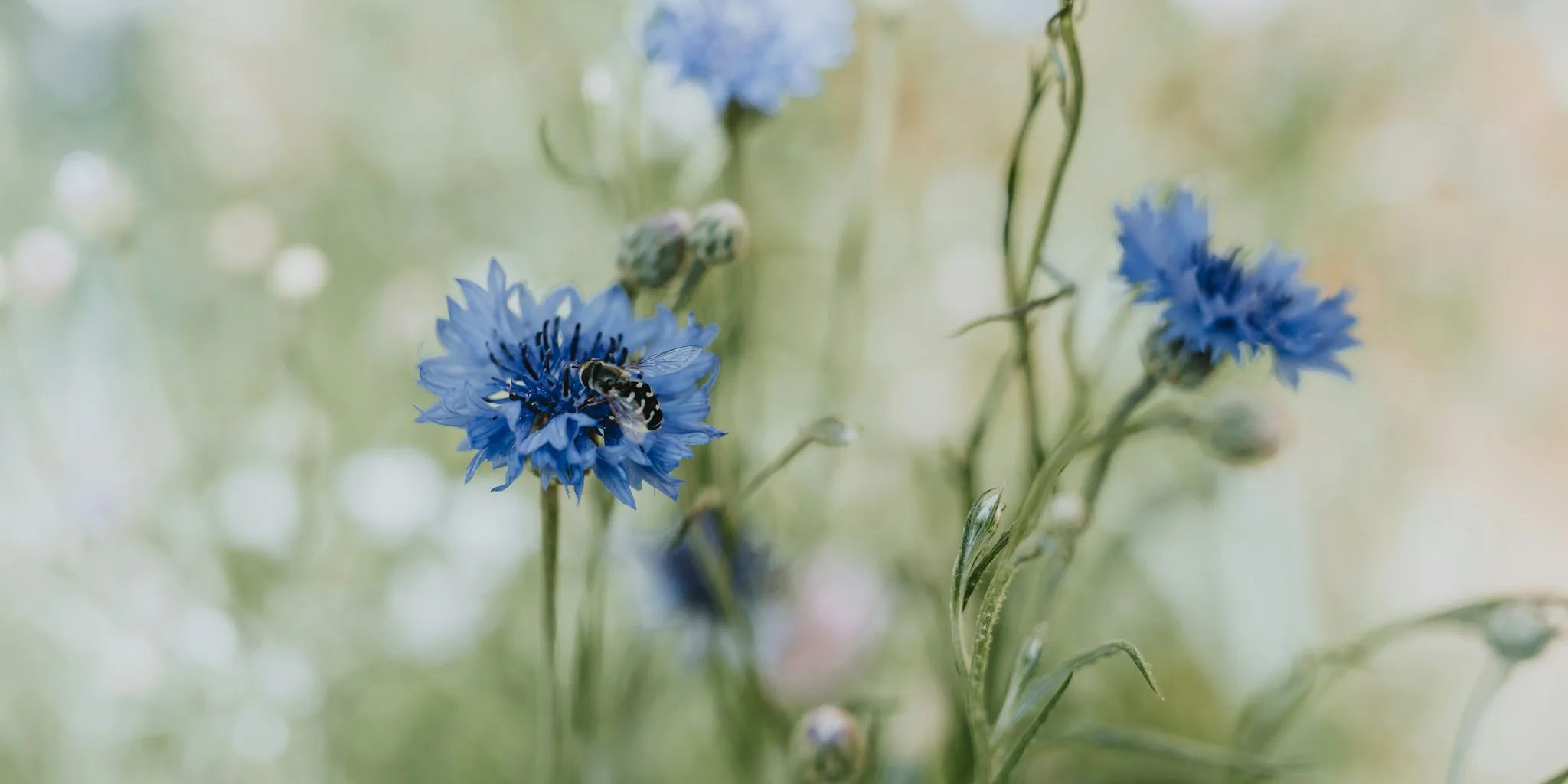

A thriving garden does more than beautify your outdoor space. It feeds the bees, butterflies, and hummingbirds that keep ecosystems healthy and support food production across the country. But midsummer brings a hidden crisis: as spring perennials fade and heat stress accelerates flower burnout, nectar availability drops sharply. For worker bumblebees storing winter reserves, native solitary bees tending late broods, and monarch butterflies preparing for migration, this summer gap can seriously reduce feeding opportunities and threaten their survival.
The solution is simple. By planting resilient bloomers that thrive in warm soil and flower continuously until the first frost, you create an essential lifeline for visiting pollinators during the critical fall months. These gorgeous plants require minimal ongoing care while delivering vibrant color and lasting visual structure to your garden. Here are six proven performers that will keep your local pollinator community nourished well into the fall.
Planting for Success in Summer Heat
Summer soil is warm, which accelerates growth, but it also dries out rapidly. When establishing new bloomers in USDA hardiness zones 3 through 9, your goal is minimizing transplant shock and building strong root networks quickly. Native late-bloomers prefer sunny spots, so give these plants 6 to 8 hours of direct light daily for maximum nectar and pollen synthesis.
Prepare your planting area by clearing competing weeds and breaking up compacted earth down to 8 inches deep. Most heat-tolerant pollinator plants dislike soggy roots, so soil drainage is crucial. Mix organic compost, perlite, or coarse sand into heavy clay soils to balance water retention with good drainage. When planting container-grown starts, water the hole deeply before setting the plant in place, topdress with a couple of inches of organic mulch, and water deeply every morning for the first two weeks until you see new growth.
Don’t forget that foraging pollinators also need a little drink. Set up a shallow hydration station with clean water and safe perching spots for thirsty bees, butterflies, and beneficial wasps. This simple addition can make a significant difference during hot spells.
Six Essential Summer-to-Fall Bloomers
Coneflowers
The cheerful coneflower is hard to beat. While traditionally purple, newer cultivars offer a wealth of colors, blooming from midsummer through fall in zones 3 through 9. Each spiky, copper disk is packed with nectar that attracts native bees and butterflies. Plant in full sun and well-draining soil. Deadhead spent blooms in July to spur a second flush of flowers. Leaving the dried, seed-heavy cones intact through winter also feeds hungry birds like American goldfinches.
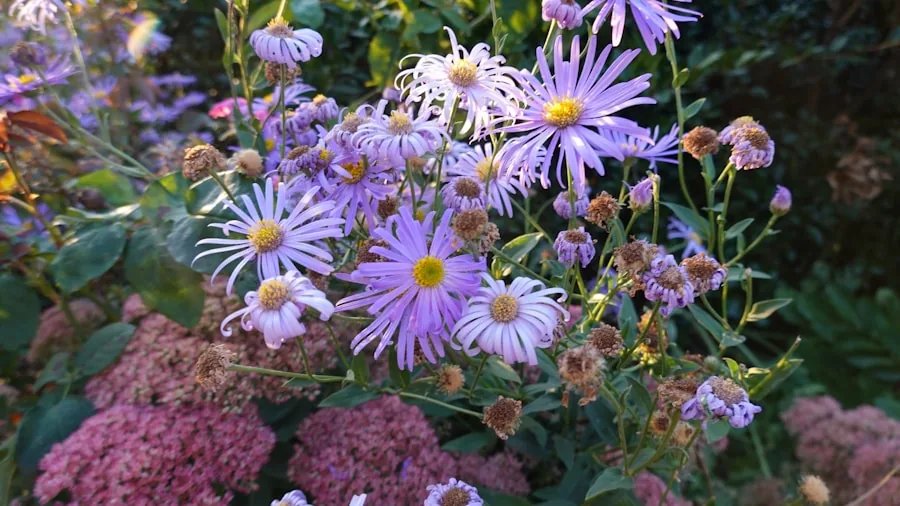
Asters
Asters are among the most crucial late-season food sources for migrating monarch butterflies and pre-hibernation queen bumblebees. These colorful flowers bloom reliably in late summer and through fall in zones 3 through 8. Native species like New England aster develop dense clusters of purple, magenta, and deep pink flowers centered around bright yellow disks. Grow them in full sun for the most blooms. They prefer moist, well-draining soil rich in organic matter, which helps tall varieties build sturdy stems to withstand heavy rain.
Sedums
Also known as stonecrop, several sedum varieties bloom with clusters of flowers extending through fall. Some varieties like Autumn Joy change from pale pink to deep red as the season progresses, creating a spectacular show while providing a steady food supply for pollinators. These wide, flat flower landing pads make nectar accessible to short-tongued beneficial insects, honey bees, hoverflies, and painted lady butterflies. Sedums are exceptionally hardy and practically indestructible in zones 3 through 9, thriving in dry soils and full sun. Forever plants over trends offer reliable performance year after year, and sedums exemplify this principle with their resilience.
Joe Pye Weed
For a statuesque flower, try this native perennial reaching up to 7 feet tall in zones 4 through 9. Its nectar-rich clusters of pink-purple flowers burst into life as many others fade, irresistible to swallowtail butterflies, clearwing hummingbird moths, and native bumblebees. Place this giant in a spot with moist, rich soil and full or partial sun. Don’t allow the soil to dry out completely during heatwaves, as drought can cause lower leaf scorching.
Cosmos
Not all late-season bloomers need to be perennials. Cosmos attracts plenty of bees and butterflies well into fall and flowers profusely with good care. The open ray design makes nectar instantly accessible for smaller native solitary bees, hoverflies, and monarchs. These feathery beauties develop in 7 to 8 weeks in full sun and well-draining soil. Budget-friendly solutions like cinder block containers can expand your planting area without breaking the bank. Deadhead frequently to keep fresh blooms coming well into fall.
Zinnias
These vibrant structural beauties are easy to grow from seed and develop quickly. Sow them in July and they’ll be blooming by September. Wide petals attract large butterflies like monarchs and swallowtails, while bright florets draw honey bees and bumblebees. Large-flowered varieties offer sturdy stems and exceptional resistance to summer heat and humidity. Plant in full sun and harvest regularly. The more you cut, the more buds the plant sets. Zinnias keep flowering as long as the weather cooperates, but they require good air circulation to stay clear of powdery mildew.
Getting Started Today
Getting your garden ready for hungry pollinators in midsummer is straightforward. By selecting hardy, weather-ready bloomers designed to handle warm soil, you can plant today with confidence. These selections settle in fast, hold their ground through late-summer heatwaves, and deliver effortless, high-impact blooms that feed your local pollinators straight through to the first fall frosts. Your garden will become a vital resource for the creatures that depend on it.




Write Your Review
No reviews yet. Be the first to share your experience!