
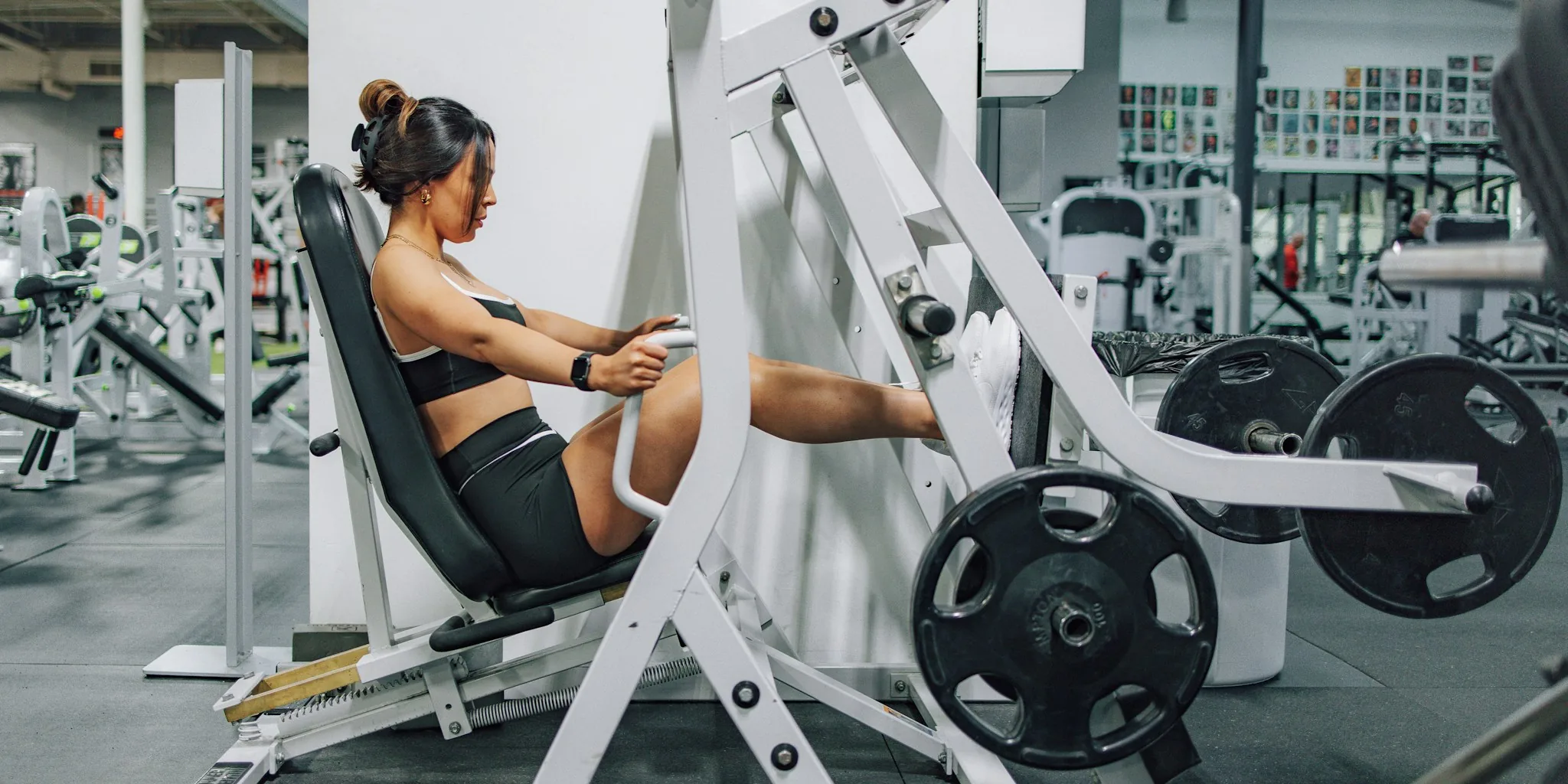

If knee pain has kept you from training legs effectively, you’re not alone. Many fitness enthusiasts put off lower body work because they worry about joint discomfort, which ironically makes the problem worse. The good news: you don’t have to choose between building strength and protecting your knees. Smart exercise selection and proper form can let you train hard while keeping your joints healthy.
Why Skipping Leg Day Backfires
The muscles, bones, and joints in your legs need consistent load and stress to remain strong throughout your life. When you avoid leg training because of knee concerns, you’re actually setting yourself up for worse problems down the road. Weak leg muscles provide less support for your knees, which compounds discomfort and increases injury risk. The solution isn’t to stop training your lower body, it’s to train it smarter.
If you’re recovering from a specific knee injury, always get clearance from a doctor or physical therapist before returning to the gym. Once cleared, avoid pushing into sharp pain. Mild aches are normal, but anything beyond that signals you need to pause and seek professional guidance.
Prep Exercises to Build Your Foundation
Before tackling demanding movements, spend a few weeks on low-impact preparation work. These exercises activate your glutes and hips while keeping pressure off problem knees.
- Lateral band steps target your glute medius and reduce stress on knee joints when stepping sideways against resistance.
- Standing fire hydrants work the same muscle while elevating your leg for added activation.
- Loaded step-ups let you add weight while keeping tension in your hips rather than your knees by driving through your heel.
- Goblet reverse lunges and heels-elevated goblet squats shift mechanical stress away from knees and into your posterior chain.
Perform eight to twelve repetitions per side or set, moving with intention and control.
Four Advanced Knee-Friendly Movements
Box Squats
Standard back squats sometimes trigger discomfort due to limited range of motion or prior injury. Box squats solve this by limiting your depth to a point where you can maintain perfect form. Select a box height where your hip socket sits parallel to your knee at the bottom position. Sit back forcefully, keep your shins vertical, and avoid letting your knees cave inward. This variation also prevents you from going deeper than you can safely control. Start with three warmup sets, then perform two to three working sets of three to five reps for strength or eight to ten reps for muscle growth.
Lunges with Vertical Shins
Single-leg training mirrors real life movements like walking and sports, making lunges valuable for functional fitness. The key to keeping your knees happy: maintain a vertical shin position throughout the movement. This requires sitting back into your hips and glutes more aggressively, loading your heels instead of your toes. If forward lunges hurt, switch to reverse lunges where you step backward, or split squats where both feet stay planted. Lean your torso forward to counterbalance the hip shift. Complete three to four sets of six to ten reps.
Dumbbell Romanian Deadlifts
Knee pain often originates from weak glutes, tight hip flexors, or ankle mobility issues rather than the knee itself. Romanian deadlifts target these overlooked areas directly. Hold dumbbells at your sides with a slight knee bend, then hinge at the hips by pushing your rear back and tipping your torso forward. Keep the weights close to your shins and stretch through your hamstrings and glutes without rounding your lower back. Drive forcefully through your hips to return to standing. Perform three to four sets of eight to ten reps.
Reverse Sled Drags
Many gyms now feature turf areas and sleds, which provide low-impact leg strengthening with cardiovascular benefits. Dragging the sled behind you places minimal stress on joints while strengthening the structures around your knees. Attach suspension straps and walk backward with outstretched arms, pushing the ground away through your heels with each step. Three sets covering several lengths of turf completes a joint-friendly session.
Getting Started with the Right Gear
To execute these movements effectively, you’ll want quality equipment. The best workout shoes for different activities provide the foundation for stable, comfortable training. Adjustable dumbbells offer flexibility for progressive loading, while an adjustable weight bench enables box squat variations and other pressing movements. A foam roller for pre-workout quad and glute prep takes just a few minutes but noticeably improves joint mobility and movement quality.
Building Your Program
You can perform all four advanced exercises in a single session or spread them throughout the week. Always begin with adequate warm-up sets and stop if pain exceeds normal training discomfort. Consistent application of these knee-friendly strategies, combined with a structured lower body workout plan, allows you to reclaim leg training without fear. Over time, stronger glutes, hamstrings, and hips genuinely resolve many knee issues, making future workouts pain-free and productive.





Write Your Review
No reviews yet. Be the first to share your experience!