
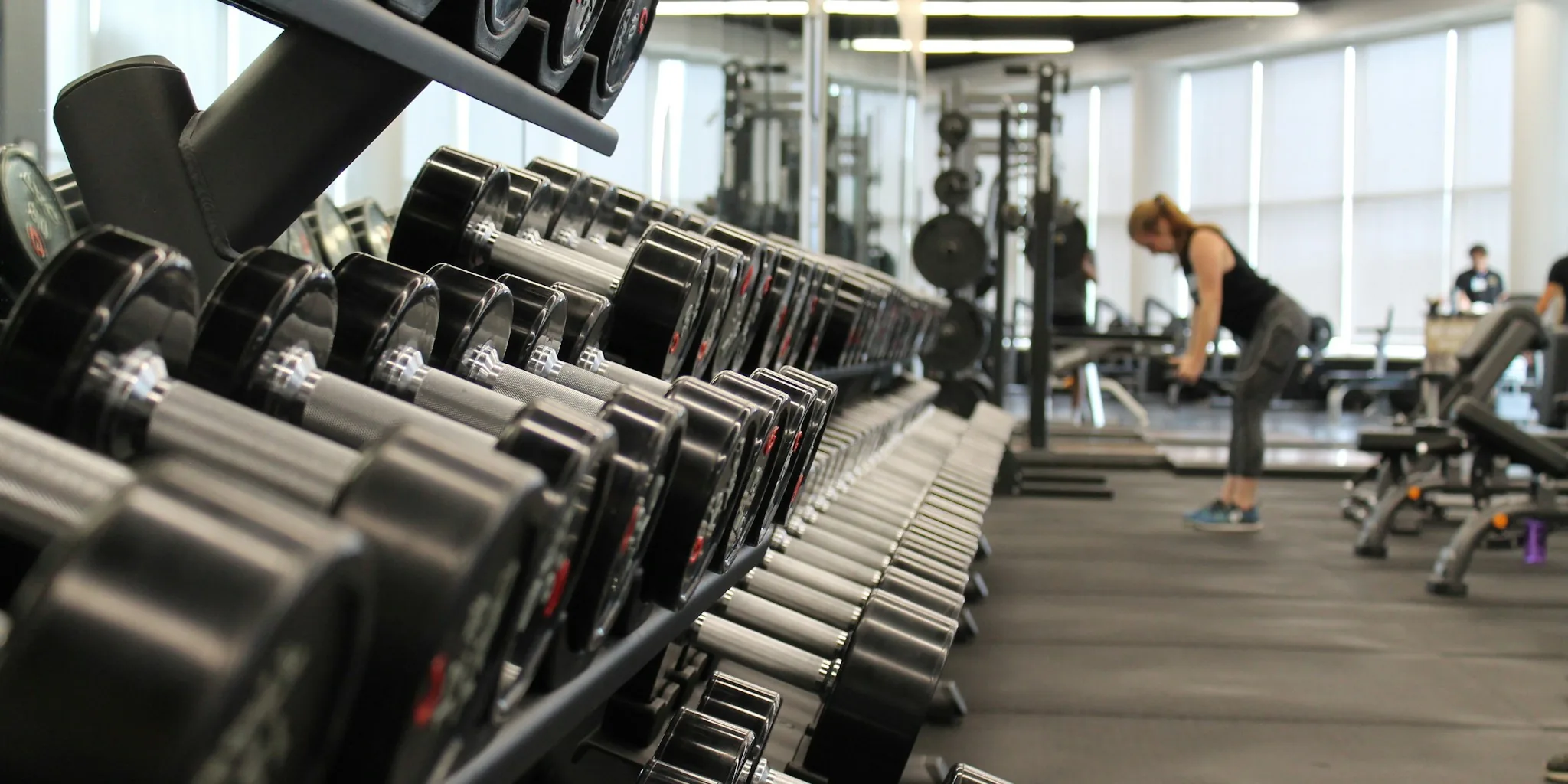

Lower body training has moved from a niche fitness pursuit to mainstream fitness culture. Whether inspired by celebrity transformations, Olympic athletes, or the simple desire to build strength that lasts into older age, more people are prioritizing leg and glute development. But a truly effective lower body workout is intense, and recovery matters just as much as the training itself.
Why Lower Body Strength Matters Beyond Vanity
Building leg strength offers benefits that extend far beyond appearance. Research demonstrates that maintaining strong legs supports cognitive function, helps regulate body composition, and significantly improves quality of life as you age. Your legs contain some of the largest muscle groups in your body, which means training them efficiently demands serious energy and recovery capacity. A proper lower body workout can leave you exhausted for days if not balanced with smart nutrition and adequate rest.
A Four-Week Progressive Workout Structure
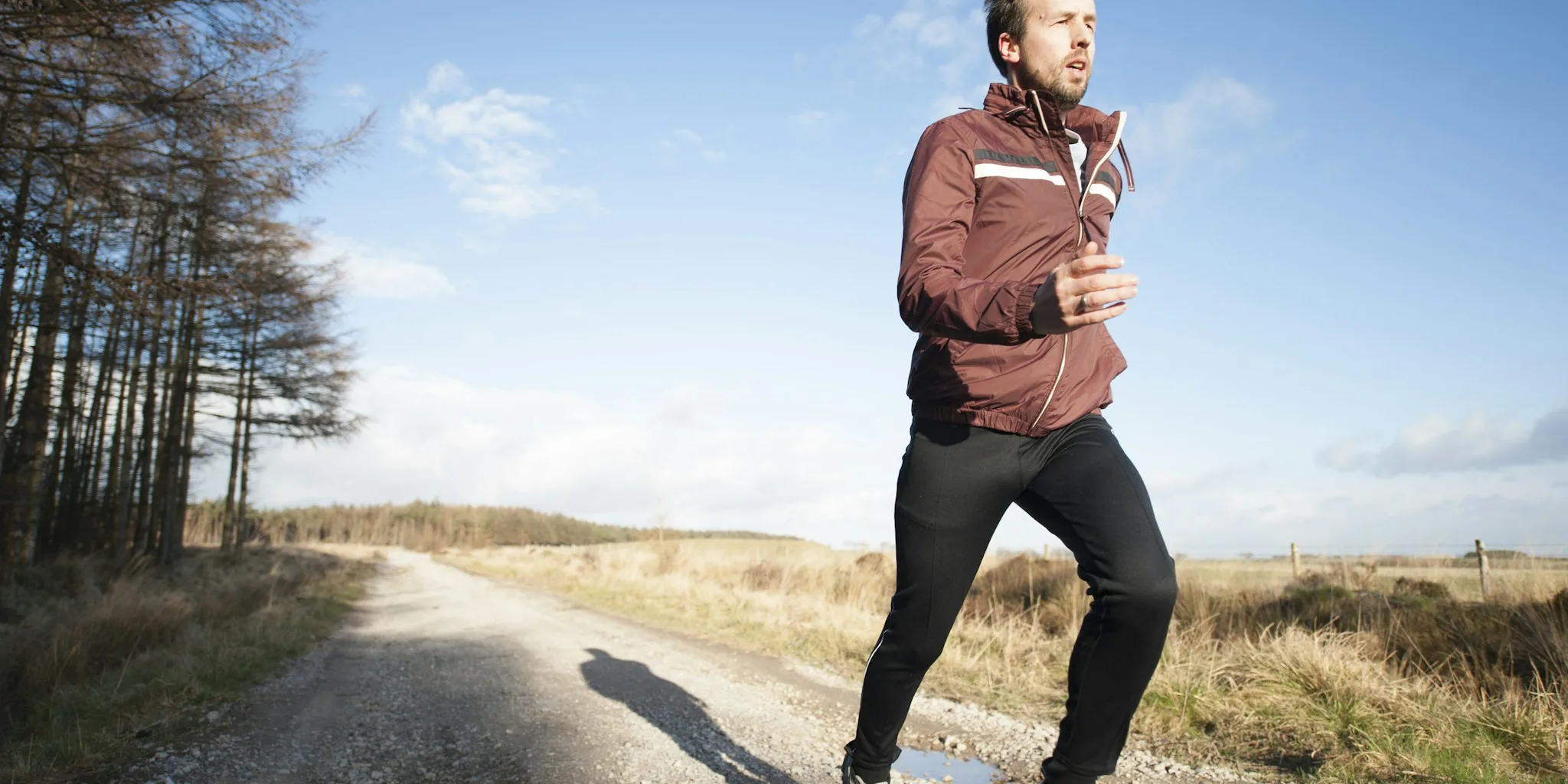
An effective lower body program trains four days per week, alternating between focused lower body sessions and upper body work. On rest days, light activity like a 20-minute walk or easy run promotes active recovery without compromising muscle development. The weekly schedule typically looks like this: lower body work on Monday and Thursday, upper body training on Tuesday and Friday, with complete rest on Wednesday, Saturday, and Sunday. This split gives your lower body sufficient recovery time while maintaining training frequency.
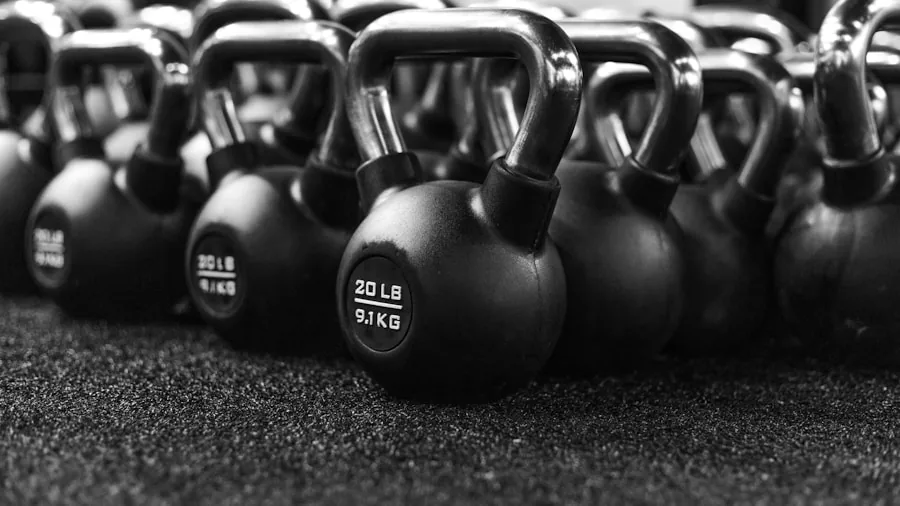
Each lower body session targets your quads, hamstrings, glutes, and calves through compound movements that demand maximum effort. Bulgarian split squats, Romanian deadlifts, and kettlebell swings form the foundation of these workouts, with rest periods of 90 seconds between sets to allow sufficient energy system recovery. Movements like hip thrusts serve as finishers, using a 10-minute format where you perform 10 reps at the start of each minute, then rest until the next minute begins.
Exercise Selection That Delivers Results
Effective lower body training combines heavy strength work with metabolic conditioning. Half-full range Romanian deadlifts build posterior chain strength while protecting your lower back. Bulgarian split squats, performed with one knee elevated on a bench and dumbbells at your sides, create intense single-leg strength development. Kettlebell swings provide explosive power development and cardiovascular challenge, performed for 40 seconds of work followed by 20 seconds of rest across three sets. Hip thrusts, executed with a loaded barbell across your hips and your upper back supported on a bench, directly target glute development and lockout strength.
The program also incorporates upper body training to maintain balanced development. Quality workout shorts designed for training comfort become increasingly important during these intense sessions, allowing freedom of movement during deep squats and lunges without distraction. Gorilla rows using kettlebells, standard pushups, and half-kneeling overhead presses prevent upper body imbalances and maintain overall athleticism.
Nutrition Strategy to Support Recovery
Lower body training demands serious nutritional support. Aim for one gram of protein per pound of your goal body weight daily, distributed across adequate carbohydrate and fat intake. This typically translates to roughly 400 grams of carbs and 80 grams of fat daily for someone following a serious leg program.
Front-load carbohydrates on leg training days by consuming 1.5 to 2 grams per pound of body weight through sources like oats, rice, and fruit. This ensures sufficient muscle glycogen for demanding final sets. Your pre-workout meal, consumed 60 to 90 minutes before training, should emphasize white rice, potatoes, or pasta with 20 to 30 grams of protein and roughly 20 grams of fat. Adding a pinch of salt supports cellular hydration.
Collagen supplementation, approximately 10 to 15 grams paired with vitamin C, consumed 30 to 60 minutes before lifting, supports tendon health. Your muscles recover quickly, but tendons adapt more slowly. Heavy movements like Bulgarian split squats and Romanian deadlifts stress the patellar tendons, hamstring tendons, and Achilles, making this precaution valuable. Supportive shoes designed for varied training activities also help protect joints during these demanding movements.
Training Your Digestive System

Most athletes struggle hitting their carbohydrate targets because their digestive system cannot handle the volume. Cramping, bloating, and bathroom trips interrupt training sessions. The solution: progressively train your gut like any other muscle. Begin with 60 grams of carbs 60 to 90 minutes before training. Add 10 grams weekly if bathroom issues decrease. Within four weeks, most people comfortably handle significantly higher carbohydrate intake.
Customizing Intensity and Recovery
This foundational program works for serious trainees seeking dramatic lower body development without completely sacrificing other life responsibilities. Environmental factors sometimes require moving workout sessions indoors, so flexibility in training location matters. Rest days can include optional 10-minute hip thrust finishers if extra energy exists, but forcing additional volume defeats the program’s purpose.
Lower body training demands respect. This four-week structure balances intensity, recovery, and practical sustainability for lifters committed to serious leg development.





Write Your Review
No reviews yet. Be the first to share your experience!