
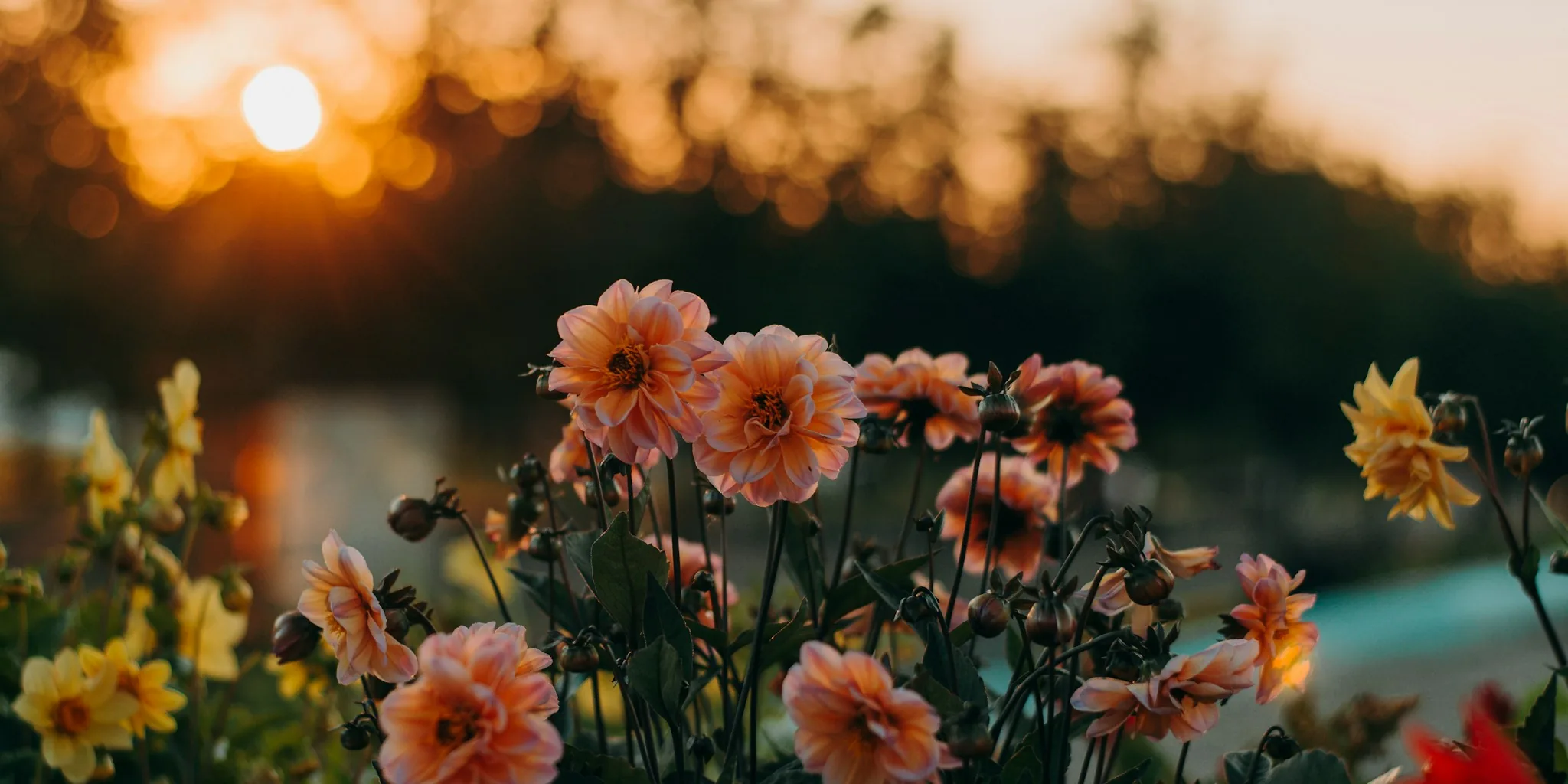

Summer heatwaves are becoming increasingly common across the United States, and gardeners need to know how their plants will respond when temperatures spike. Some species will bounce back on their own, while others require immediate intervention to survive the stress. Understanding which plants fall into each category can save you time, money, and disappointment when heat stress threatens your garden.
Why Heatwaves Damage Some Plants More Than Others
When temperatures soar, plants lose water through their leaves faster than their roots can absorb it from the soil. Plants with shallow root systems or large, thin leaves are especially vulnerable. Others have evolved mechanisms to survive extreme heat, including deep root systems that tap into moisture reserves and specialized leaf structures that reflect sunlight. Knowing the difference means you can allocate your garden care efforts where they matter most during and after a heat event.
The Most Heat Tolerant Plants for Your Garden
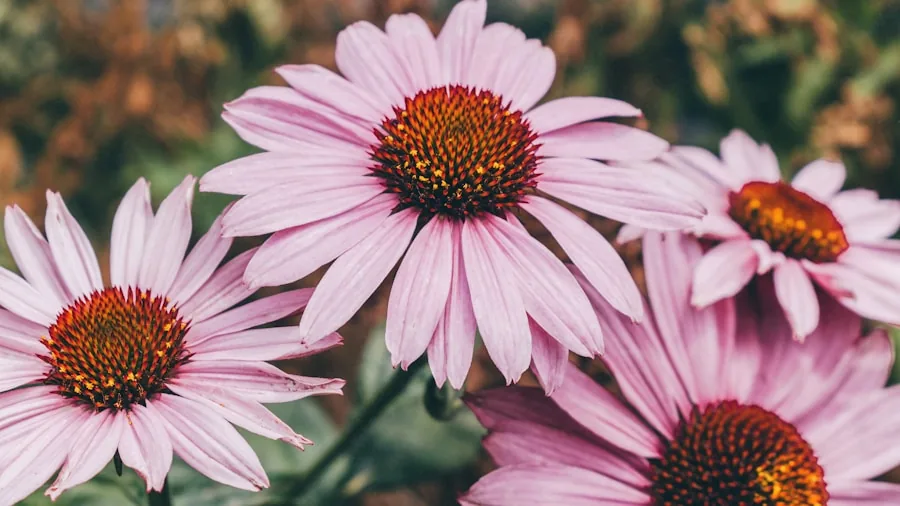
If you live in an area prone to summer heatwaves, prioritize these four plant types. They recover quickly on their own and require minimal intervention.
Coneflower (Echinacea)
This native perennial thrives in zones 3 through 9 and loves full sun exposure. Coneflowers develop long tap roots that reach deep into the soil to find moisture, which makes them naturally drought-resistant. Even during extreme heat, these plants may wilt temporarily as a way to conserve energy, but they typically bounce back by evening. Occasional deep watering during a heatwave helps them recover faster and stronger.
Russian Sage
Hardy in zones 4 through 9, Russian sage actually prefers hot conditions and well-draining soil. Its silvery-green foliage reflects harsh sunlight better than darker-leafed plants, providing natural sun protection. This perennial develops extensive root systems over time and can survive heatwaves without any supplemental water. Be careful not to overwater it, as this plant suffers more from excess moisture than from heat or drought.
Stonecrop (Sedum)
Stonecrop is a succulent that grows in zones 3 through 9 and stores water in its fleshy leaves. Unlike most plants, sedums open their leaf pores only at night, which prevents water loss during the day. This adaptation allows them to thrive through intense summer heat without help. In fact, overwatering stonecrop during or after a heatwave can cause more damage than the heat itself.
Lantana
This heat-loving annual or perennial (hardy in zones 8 through 11) produces bright, colorful flowers all summer long. It may wilt slightly during the worst heatwaves but recovers quickly once temperatures moderate. In containers, lantana may need occasional watering, but in-ground plants rarely require supplemental water during summer heat.
Plants That Need Active Care During Heatwaves
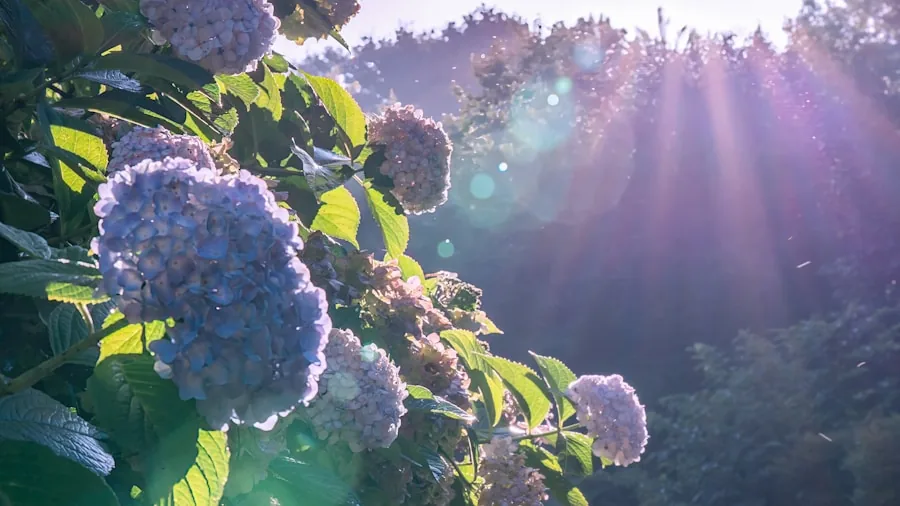
These four species require hands-on management to survive extreme heat. Plan ahead and be ready to intervene when temperatures spike.
Bigleaf Hydrangea
Popular for its large pink and blue flowers, bigleaf hydrangea (zones 5 through 9) struggles during heat stress. Its broad, thin leaves lose water rapidly, causing wilting and potential bud damage that can eliminate flowering for the season. During a heatwave, water deeply each morning and apply thick mulch around the base. If your hydrangea sits in afternoon sun, provide temporary shade cloth to reduce heat stress.
Japanese Maple
Japanese maples (zones 5 through 9) are prized for their delicate, feathery foliage, but this same texture makes them vulnerable to heat scorch. Newly planted trees are at highest risk. Water deeply every one to two days during extreme heat, and position your tree where it receives morning sun and afternoon shade whenever possible. Shade cloth or a patio umbrella can provide emergency protection during peak heat hours.
Bleeding Heart
This shade-loving perennial with heart-shaped flowers prefers cool, moist conditions and will enter dormancy or die back if exposed to prolonged heat. The best strategy is prevention: water proactively before and during a heatwave, and increase shade coverage if the plant currently gets too much afternoon sun. Once temperatures drop, carefully remove any dead foliage with clean pruners.
Impatiens
Despite being native to warm climates, impatiens (zones 10 through 11) struggle with extreme heat, especially in full sun. These popular annual shade flowers need daily watering when in the ground and twice-daily watering in containers. During severe heat, move potted impatiens into full shade temporarily until cooler weather returns.
Planning Your Garden for Climate Resilience
Understanding your plants’ heat tolerance helps you prioritize care during stressful conditions. Rather than trying to save every plant during a heatwave, focus your water and attention on the species that truly need it. The heat-loving plants will generally recover on their own, while sensitive specimens require your active management. As you plan your garden, consider mixing heat-tolerant and more delicate species so you have color and interest while keeping your maintenance workload realistic during challenging summers.




Write Your Review
No reviews yet. Be the first to share your experience!