
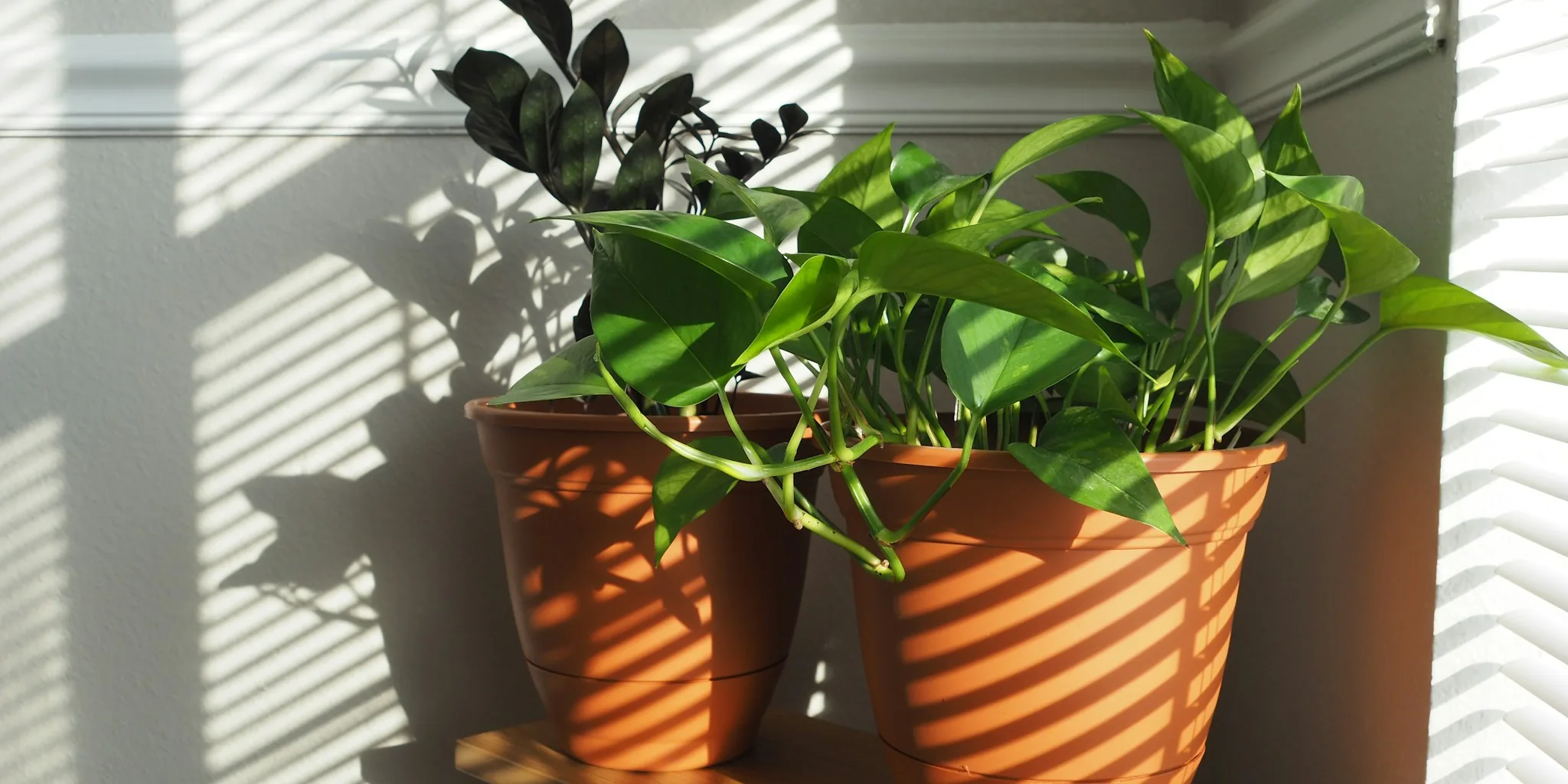

Most houseplants that leave the store looking like compact shrubs often remain that way for years if they don’t receive proper care. The main stem stays thin, branches stretch toward the nearest light source, and the entire plant eventually leans to one side instead of standing upright. Summer is the critical window when you can either break this pattern or let it become permanent.
July is particularly important for promoting active growth and branching. This is when your plant responds most quickly to intervention, healing from cuts within days and pushing out new shoots rapidly. Understanding how to care for your plant during this peak growth season can transform its shape and fullness within a single year.
1. Water Deeply, Then Wait for the Soil to Dry Completely
Many plant owners make the mistake of watering too frequently, especially during hot summer months. The leaves of certain succulents actually store water, so roots left sitting in damp soil are what cause most plant deaths. The correct approach is to soak the soil until water runs freely from the drainage hole, then wait until the soil is completely dry before watering again.
Using a clay or terra cotta pot helps considerably because these materials breathe and pull moisture out through their walls, speeding up drying time. Rather than following a strict watering calendar, read the leaves themselves. Soft or slightly wrinkled leaves are asking for water, while firm and plump leaves mean you should wait. Yellowing leaves that drop easily signal overwatering. During a hot July, soakings might be two weeks apart, and an underwatered plant is far safer than one kept constantly wet.
2. Move Your Plant Outdoors Gradually for Stronger Growth
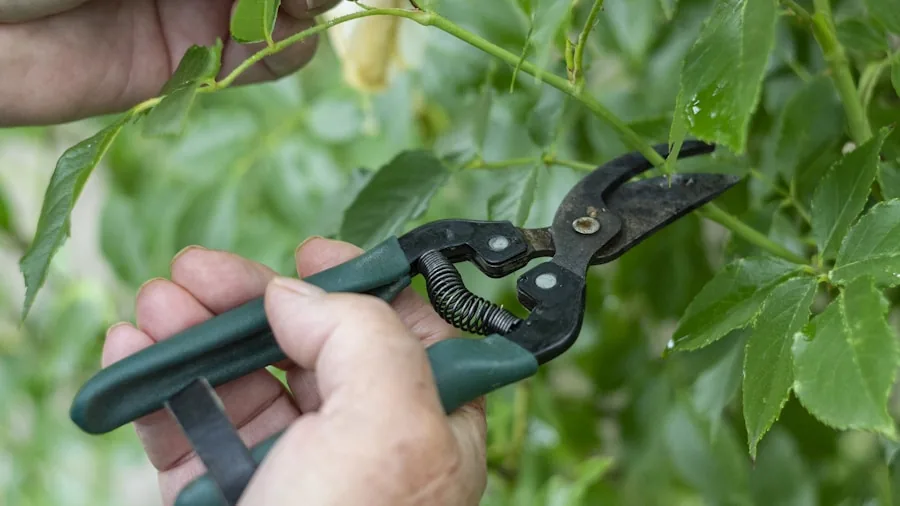
Real outdoor sunlight does things that a windowsill never achieves. Stems thicken noticeably, growth stays compact rather than becoming stretchy and tall, and leaf edges often develop attractive reddish tones. Moving your plant outside is the single most impactful step you can take during summer.
However, rushing this transition burns the foliage. A plant kept indoors all winter will scorch immediately in direct sun, and those bleached patches never recover their color. Start the transition in full shade for the first week, then move to morning sun only, and finally to a spot receiving sun most of the day. Watch for heavy rain as well, because a plant left outside during wet weather absorbs water faster than the soil can dry. Bring your plant back indoors once nighttime temperatures approach 50°F.
3. Fertilize Lightly During Active Growing Season
Fertilizer matters only when your plant is actively growing, which July certainly is. However, most plants need far less fertilizer than leafy houseplants do, so apply fertilizer at half the label strength just once per month. This prevents nutrient burn while still supporting growth.
Always water your plant first before applying fertilizer. Fertilizer applied to parched roots will burn them and cause damage. This simple precaution ensures the nutrients are diluted properly in moist soil.
4. Pinch and Prune to Create Fuller, Bushier Forms
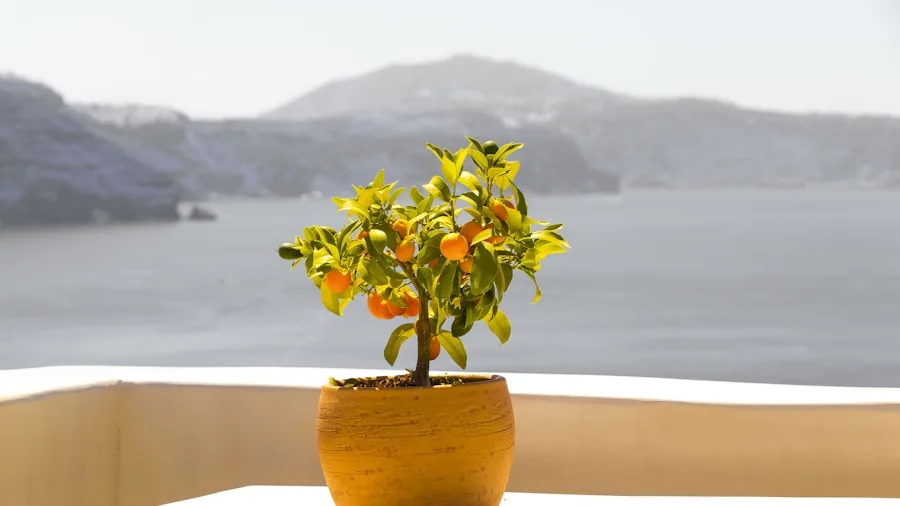
The secret behind every full, sculptural plant shape is simple pruning strategy. A stem that keeps its growing tip continues extending in one direction. Remove that tip, and the plant pushes out two new shoots from the leaf pair just below the cut. One branch becomes two, then four, then eight with repeated pruning across seasons.
Pinch soft new growth between your thumb and finger, or cut woody stems just above a leaf pair with clean scissors. Never remove more than a third of the plant at a single time. Think carefully about where you cut, since branching happens exactly where cuts are made. Keep your cuttings too. Let them sit somewhere dry and shaded until the cut ends callus over, then place them in dry soil and avoid watering for a week to encourage rooting.
5. Inspect for Pests and Check Root Health
White cottony clusters hiding in leaf joints indicate mealybugs, which frequently infest certain houseplants. A cotton swab dipped in rubbing alcohol removes visible bugs, but check again one week later since eggs hatch in waves and one treatment never catches them all. Heat speeds up this cycle significantly, so a small infestation in July becomes much worse by August.
Root pests are even more problematic because they hide underground. Tip your plant out of its container while the soil is dry and examine the roots. Roots circling the pot walls or soil that has become dense and compacted both signal the need for repotting. Use a gritty succulent mix when repotting and go up only one pot size. Standard potting soil holds far too much moisture around the roots.
Handled properly, July does most of the work for you. Give your plant the right conditions now, and a fuller, more attractive shape develops naturally over the coming months.




Write Your Review
No reviews yet. Be the first to share your experience!