


July is peak growing season for pothos, one of the most popular houseplants in American homes. If you own a pothos or are considering buying one, understanding what this tropical vine needs right now can make the difference between lush, vibrant foliage and sparse, struggling growth. The good news: the care tasks that matter most take just 15 to 20 minutes to complete.
Why July Matters for Your Pothos
During summer, pothos plants enter their most active growth phase. Warm indoor temperatures and longer daylight hours trigger rapid cell division in the vines, meaning your plant is putting out new leaves faster than at any other time of year. This burst of energy is an opportunity, not just a season. Without a few deliberate adjustments to light, water, and feeding, that growth surge can produce leggy, weak stems or leaf damage instead of the dense, lush appearance pothos is prized for.
Watering Your Pothos in July
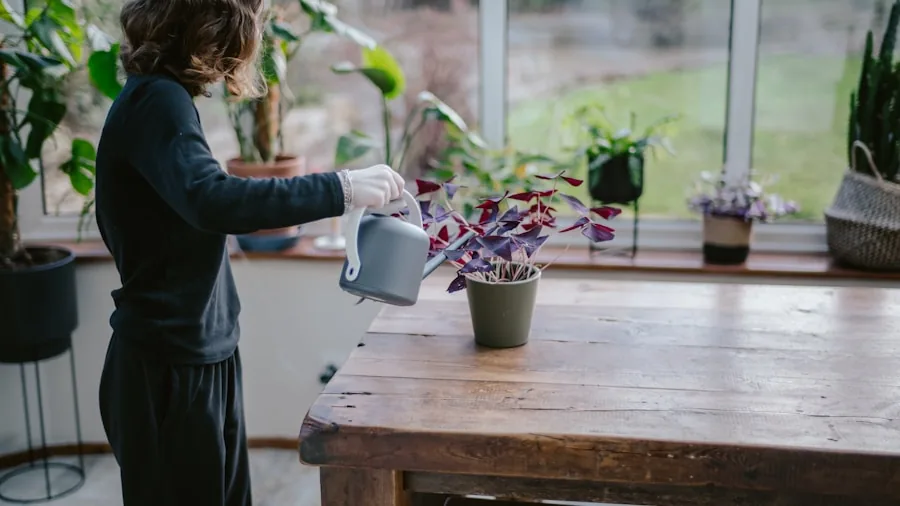
Pothos thrives with consistently moist soil, not soggy roots. In July’s dry indoor air, water becomes even more critical. The best approach is deep, infrequent watering: let water run through the drainage holes until it stops dripping, then wait until the top inch or two of soil feels dry before watering again. Always empty the saucer beneath the pot to prevent root rot.
Different pothos varieties drink at different rates. Variegated types like N’Joy or Manjula have slower transpiration rates and are more sensitive to overwatering, while fast-growing varieties like Golden or Blue Cebu demand more frequent watering during heat waves. If you neglect deep watering during summer, roots can dry out, leading to yellowing lower leaves and premature leaf drop.
Protecting Foliage from Sun Damage
Though pothos adapts to low light better than many houseplants, intense summer sun can scorch its leaves. Direct afternoon rays passing through window glass act like a magnifying glass, causing irreversible damage to foliage. Variegated varieties with white or cream-colored sections are especially vulnerable because those areas lack protective pigments.
If your pothos sits in a very bright window, move it temporarily to an east or north-facing spot, or filter intense rays with a decorative window film. If shifting away from natural light leaves your plant in a dim corner, consider adding a full-spectrum grow light to maintain healthy color development. Adjusting light exposure during summer heat waves yields visible improvements within a week, preventing further leaf loss and encouraging rich pigmentation.
Light Feeding Supports New Growth
While pothos survives without fertilizer, a light feeding during active summer growth keeps leaves glossier and stems stronger. A balanced houseplant fertilizer applied once a month at half strength provides gentle, consistent nourishment without risk of salt buildup or chemical burn. Always pre-dampen the soil before applying fertilizer, and water thoroughly afterward to reduce root stress.
Skipping fertilizer entirely during summer may not kill your plant, but it often results in smaller, paler leaves and thinner, more fragile stems. A light summer diet ensures new leaves unfurl at their full potential size with thick, durable cuticles. Some growers also add a small amount of seaweed-based tonic for extra root vigor and natural leaf shine.
Pruning and Propagating for Fuller Growth
Pothos naturally produces long, trailing vines. In July, when growth is vigorous, pruning encourages the plant to branch out and fill in. Trim the longest vines just above a leaf node using clean, precision cutters. This cut signals the vine to split, creating denser, bushier growth. Remove no more than 25 to 30 percent of total foliage in one session to avoid shocking the root system.
Your pruned cuttings are valuable: select healthy pieces with 2 to 3 nodes and place them in water or moist potting mix. Cuttings placed in water during July’s warm temperatures develop white roots within 10 to 14 days, giving you new plants to share or expand your collection at minimal cost.
Provide Vertical Support for Larger Leaves
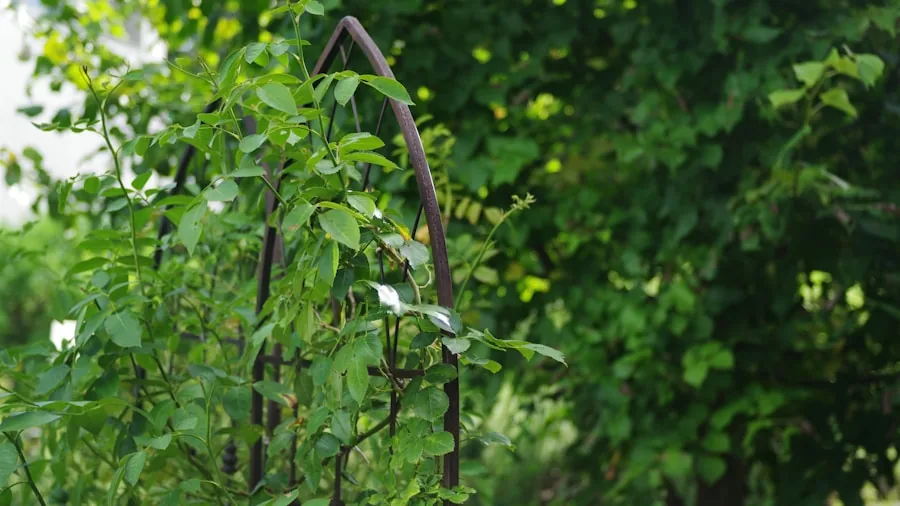
Most pothos vines trail downward from pots or baskets, keeping leaves small and uniform. In nature, pothos is an epiphytic climber that attaches to trees and structures. When aerial roots contact a sturdy, moist surface like a moss pole or trellis, the plant signals its mature growth phase and produces substantially larger leaves. July is the ideal month to add vertical support because new aerial roots are developing actively.
Install a small trellis into the pot or secure a moss pole to the side of the container, then gently tie trailing vines along the support using soft, adjustable ties. Keep the moss pole slightly damp to encourage aerial roots to grip firmly. Within 3 to 4 weeks, you will notice new leaves emerging that are noticeably larger than their trailing counterparts. This structural support transforms the appearance of your pothos while also promoting healthier overall development.
Quick Check for Pests
Spend 20 to 30 minutes early in July checking for common summer pests like spider mites and mealybugs, which thrive in dry indoor air. A diluted neem oil spray tackles early infestations before they spread. Also test your soil for density and moisture retention: compacted, nutrient-depleted soil cannot support the vigorous vine expansion typical of summer. A fresh layer of high-drainage potting mix on top of existing soil refreshes the pot without disturbing roots.
Taking these simple steps in July sets the stage for months of lush, dense growth and ensures your pothos thrives well into fall and beyond.





Write Your Review
No reviews yet. Be the first to share your experience!