


A Compact Laptop Revival is Underway
For years, small Windows laptops seemed like a relic of the past. During the netbook era, they filled store shelves, but tablets and Chromebooks gradually displaced them from the market. Now a new contender is challenging that narrative. The Chuwi MiniBook X U300 is bringing the ultraportable format back with a modern approach that avoids the frustrations consumers experienced with older netbooks. Starting at just $469, this 10.51-inch convertible laptop comes equipped with 16GB of RAM, 512GB of storage, and Windows 11 Pro, suggesting that the compact laptop market may have room to grow after all.
What You Get Inside the MiniBook X

The device runs on Intel’s entry-level U300 processor, which features one performance core paired with four efficiency cores for a total of five cores and six threads. Clock speeds reach up to 4.4GHz, making it suitable for everyday tasks like web browsing, document editing, video calls, and streaming content. Integrated Intel UHD Graphics with 48 execution units handle the visuals, a notable advantage over many entry-level competitors, and should manage casual games, 4K video playback, and basic photo editing without struggle.
The 10.51-inch IPS touchscreen delivers a 1920 x 1200 resolution with a 16:10 aspect ratio, full sRGB color coverage, and a brightness peak of 300 nits. A 360-degree hinge enables the display to fold into tablet, tent, and stand modes, making the device versatile for different work environments. The aluminum chassis weighs roughly 920 grams, maintaining portability without sacrificing durability. Additional features include a backlit keyboard, Wi-Fi 6 connectivity, Bluetooth 5.2, and dual USB-C ports that support charging, data transfer, and external display output.
Understanding the Trade-offs of Going Small
Compact form factors inevitably require compromises, and the MiniBook X is no exception. The most significant limitation is the 28.88Wh battery capacity, substantially smaller than batteries in standard laptops. Chuwi has not released runtime estimates, so real-world battery life remains unknown until independent testing becomes available. Shoppers accustomed to 8-10 hour endurance should temper their expectations accordingly.
Port selection is another trade-off, with only two USB-C connections and a headphone jack. For a device this size, however, these limitations are understandable. The 2-megapixel webcam is basic by modern standards, suitable mainly for quick video calls rather than content creation. The U300 processor itself reflects the machine’s design philosophy: portability takes priority over raw processing power. For demanding creative work, those in need of professional photo editing or serious video production may want to explore dedicated laptops for photo editing instead.
Why This Matters for Laptop Shoppers
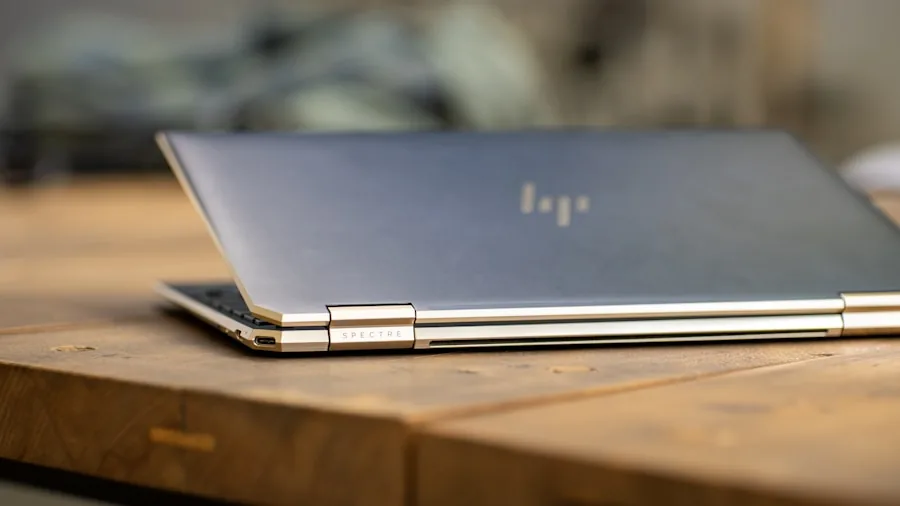
The MiniBook X’s pricing and configuration suggest an interesting shift in the budget laptop market. Pairing 16GB of LPDDR4X RAM and a 512GB PCIe 3.0 SSD with a sub-$500 price tag is genuinely surprising in today’s market environment. For students, remote workers who travel frequently, and professionals who spend time across multiple locations, this device addresses a real gap that larger mainstream laptops leave unfilled.
The return of viable compact Windows laptops could reshape how consumers think about portable computing. Unlike tablets, the MiniBook X runs full Windows 11 Pro, preserving access to traditional software and file systems. Unlike Chromebooks, it doesn’t depend on cloud-first workflows. This middle ground has merit for users who need flexibility without the bulk of a 13-inch or 14-inch ultrabook. If you’re looking for a machine that balances power with portability for moderate productivity tasks, compare options across different categories to find the right fit.
What’s Next for Small Laptops
The MiniBook X demonstrates that there remains appetite for devices that prioritize portability and affordability over maximum performance. Previous failures of the netbook category stemmed partly from underpowered processors, limited RAM, and poor software experiences. By incorporating modern components, generous memory, and legitimate storage, manufacturers can sidestep those pitfalls.
As the laptop market continues evolving, the emergence of reasonably-priced compact options gives shoppers more flexibility. Whether the MiniBook X becomes a mainstream success will depend partly on real-world testing confirming battery life and thermal performance. For budget-conscious buyers who frequently travel or need a second machine for on-the-go productivity, this ultraportable revival arrives at an opportune moment.


Write Your Review
No reviews yet. Be the first to share your experience!