
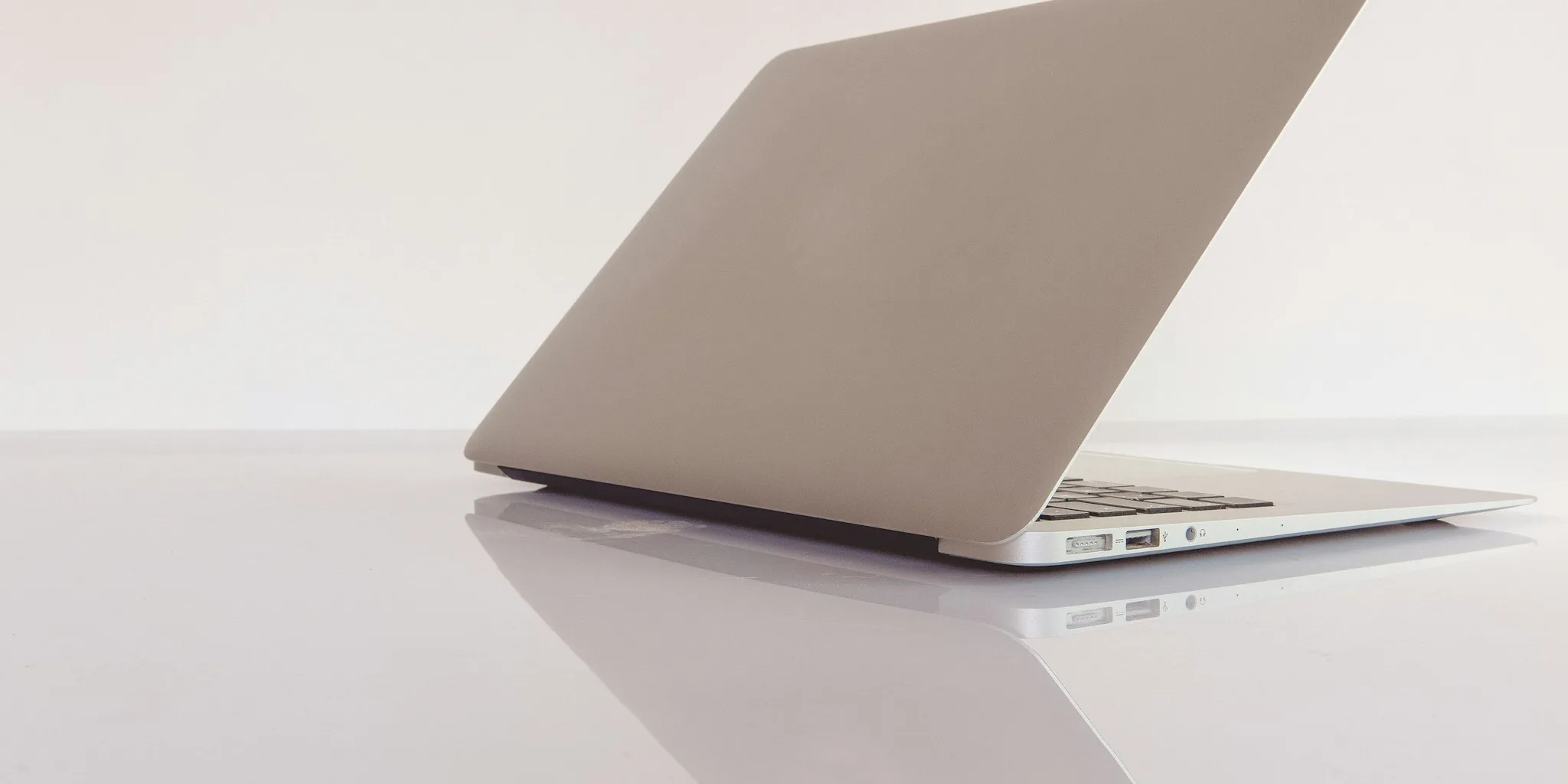

Google has officially announced that its upcoming Googlebook laptops will be available for pre-order starting September 21 at 9 a.m. ET. This marks a significant moment for the tech industry, as these devices represent a new category of computing that blends Android and ChromeOS into a single premium package. Major manufacturers including Acer, ASUS, Dell, HP, and Lenovo are already committed to building models, giving consumers multiple options when these machines hit the market.
What Makes Googlebooks Different
Googlebooks are positioned as more than just upgraded Chromebooks. Google describes them as devices “built with Gemini’s helpfulness at its core, designed to work seamlessly with the devices in your life and powered by premium hardware.” The integration of AI features throughout the operating system aims to create a fundamentally different computing experience compared to traditional laptops.
The most notable differentiator is how these machines handle application support. While traditional Chromebooks rely on web apps and emulated Android applications, Googlebooks run truly native Android apps. According to Google’s VP of Chrome, this means significantly improved performance compared to what users have experienced on Chromebooks in the past. This capability alone could appeal to anyone frustrated with the limitations of current Chromebook app support.
Three Standout Features for Buyers

Magic Pointer: The cursor itself gets an upgrade with this AI-powered feature. When you wiggle your mouse, the laptop displays contextual information about what your cursor is pointing at, similar to Google Lens functionality on phones. For people who frequently research topics while browsing online, this feature could save considerable time by providing instant information lookup without opening new tabs or windows.
Native Android Integration: This is perhaps the most compelling upgrade for users currently stuck with Chromebooks. Native Android apps perform dramatically better than emulated versions, and you’ll also be able to cast apps directly from your Android phone to your Googlebook. This bridges gaps in app availability and creates a more cohesive experience across your devices. If you’re considering a business laptop for work and travel, the ability to run your favorite Android productivity apps natively could be a game-changer.
Custom Widgets Made with AI: Rather than being locked into pre-built widgets, you can create custom widgets on demand using Gemini. Simply describe what you need, and the AI generates it. Want a live tracker for a package delivery? A widget controlling music across multiple platforms? A personalized trip itinerary widget? These are all possible, giving you unprecedented control over your workspace.
What Remains Unclear
While the September 21 pre-order date is set, Google hasn’t yet revealed the final pricing structure. The anticipated price range sits between $700 and $1,000, positioning Googlebooks as premium devices. If you’re shopping for a gaming laptop or other specialty device, you’re already accustomed to premium pricing, but this information will be crucial for mainstream shoppers deciding whether to invest in this new category.
The actual real-world performance and user experience won’t be fully understood until these devices ship and independent reviews emerge. Early reports suggest strong potential, but whether Googlebooks truly deliver on their ambitious promises remains to be seen.
What This Means for Laptop Shoppers
The arrival of Googlebooks gives consumers a credible third option beyond MacBooks and Windows laptops. For users deeply invested in the Android ecosystem, or those frustrated by Chromebook limitations, these devices could represent the laptop they’ve been waiting for. The combination of native app support, AI-powered features, and premium hardware from trusted manufacturers makes this a genuinely new category worth paying attention to.
Whether you’re replacing an aging Chromebook, looking for something different from a traditional Windows machine, or curious about Google’s approach to premium computing, September 21 is when you can finally reserve one. Given the excitement surrounding these launches and manufacturer participation, it’s wise to mark the date and be ready when pre-orders go live. For those researching other laptop options, photo editing laptops and other specialty machines will continue to serve specific use cases, but Googlebooks will offer a compelling new choice for general computing needs.




Write Your Review
No reviews yet. Be the first to share your experience!