


Recent Research Shows Overloaded Backpacks Increase Foot Injury Risk
Scientists have published troubling findings about how excessive backpack weight affects hikers’ feet. A study published in the Journal of Functional Morphology and Kinesiology measured the pressure distribution across hikers’ feet under different load conditions. The research involved 39 recreational hikers on long-distance trails in Europe who walked at least 12.5 miles while carrying packs. Using specialized pressure-sensing technology, researchers tested how feet responded to carrying no pack, a normal hiking pack, a pack at 10 percent of body weight, and a pack at 20 percent of body weight.
The findings were clear and concerning: once backpack load reaches approximately 10 percent of your body weight, measurable changes occur in how pressure moves through your feet. At 20 percent body weight, total static pressure on the plantar surface increased nearly 10 percent compared to carrying no pack at all. For a 180-pound hiker, this means keeping your pack to 18 pounds or less is critical for foot health.
Understanding the Foot Damage from Heavy Packs
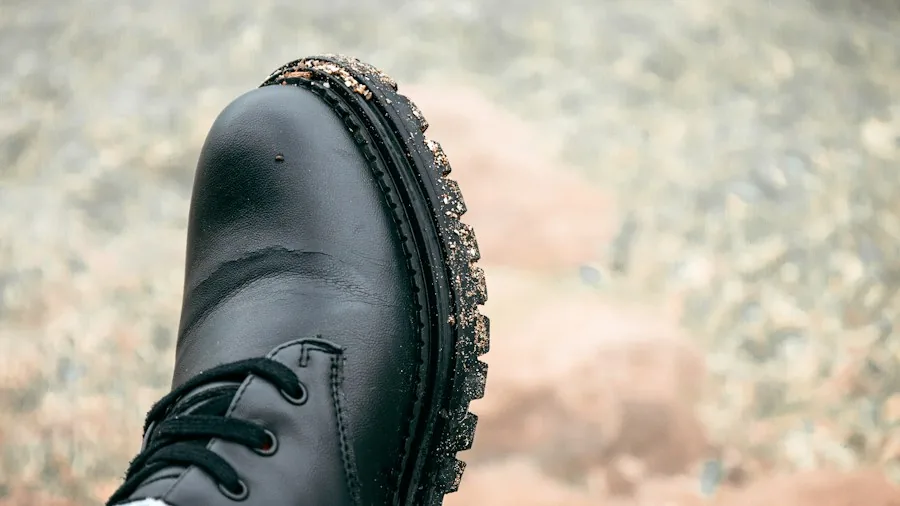
The immediate and long-term consequences of carrying overly heavy loads are significant. Medical experts warn that excessive pressure on feet can trigger blisters that may force you off the trail immediately, or develop into more serious chronic conditions. Hikers with specific foot conditions face heightened risks: those with flat arches may experience flare-ups of plantar fasciitis, which causes sharp heel and arch pain that can sideline you for weeks. Individuals with diabetes face the danger of blisters progressing to foot ulcers with serious infection potential. People with osteoporosis may even sustain stress fractures from the compounded stress of heavy packs.
A podiatrist at Icahn School of Medicine at Mount Sinai explains that foot injuries from heavy packs can result in recovery periods of 6 to 8 weeks, completely disrupting hiking plans and requiring extended rest. The pressure increase happens specifically in the heel area, which bears substantial force during hiking. This concentrated pressure creates biomechanical stress that your feet simply aren’t designed to handle on extended treks.
How to Pack Smart for Your Hiking Adventures
The 10 percent rule provides a clear, actionable guideline for all hikers. Calculate your body weight, multiply by 0.10, and that’s your maximum pack weight in pounds. A 150-pound hiker should aim for 15 pounds maximum, while a 200-pound hiker can carry up to 20 pounds. This calculation accounts for your pack itself plus all contents: water, food, gear, and clothing.
Beyond weight limits, your footwear makes an enormous difference in managing load-related stress. The best hiking shoes for men feature reinforced heel cups and arch support that better distribute pressure across your entire foot. Hiking shoes for women are similarly designed with proper cushioning and support systems to reduce injury risk when carrying loads. Before any hiking trip, ensure your footwear provides adequate support, particularly in the heel and arch areas.
Packing Strategically Protects Your Feet

Practical packing strategies help you stay within the 10 percent threshold. Assess whether every item is truly necessary for your planned route and duration. Lightweight gear has become increasingly affordable and performs exceptionally well. Choose dehydrated meals over heavier alternatives, carry only necessary water rather than filling every container, and select multipurpose clothing items. Consider wearing the best hiking pants for men that are lightweight yet durable, as clothing weight adds up quickly when bringing multiple outfit options.
Weight distribution within your pack also matters significantly. Place heavier items closer to your back and centered on your spine to maintain better balance and reduce foot stress. A properly loaded pack sitting higher on your hips transfers weight more efficiently through your legs rather than forcing your feet to compensate.
Study Limitations and Real-World Considerations
Researchers acknowledge that their study tested hikers on flat surfaces only, while actual hiking involves inclines, descents, and uneven terrain that may increase pressure differently. The sample size was relatively modest, and participants wore different footwear styles. Despite these limitations, the core finding stands solid: pack weight beyond 10 percent of body weight creates measurable biomechanical changes in foot pressure that can cause injury.
Smart hikers should treat this research as a clear warning signal. Your feet support you through every mile, and excessive weight compromises their health. By adhering to the 10 percent weight guideline, investing in proper footwear with good arch and heel support, and packing strategically, you can prevent injuries and enjoy longer, more comfortable hiking experiences. Your feet will thank you with miles of pain-free adventure ahead.


Write Your Review
No reviews yet. Be the first to share your experience!