
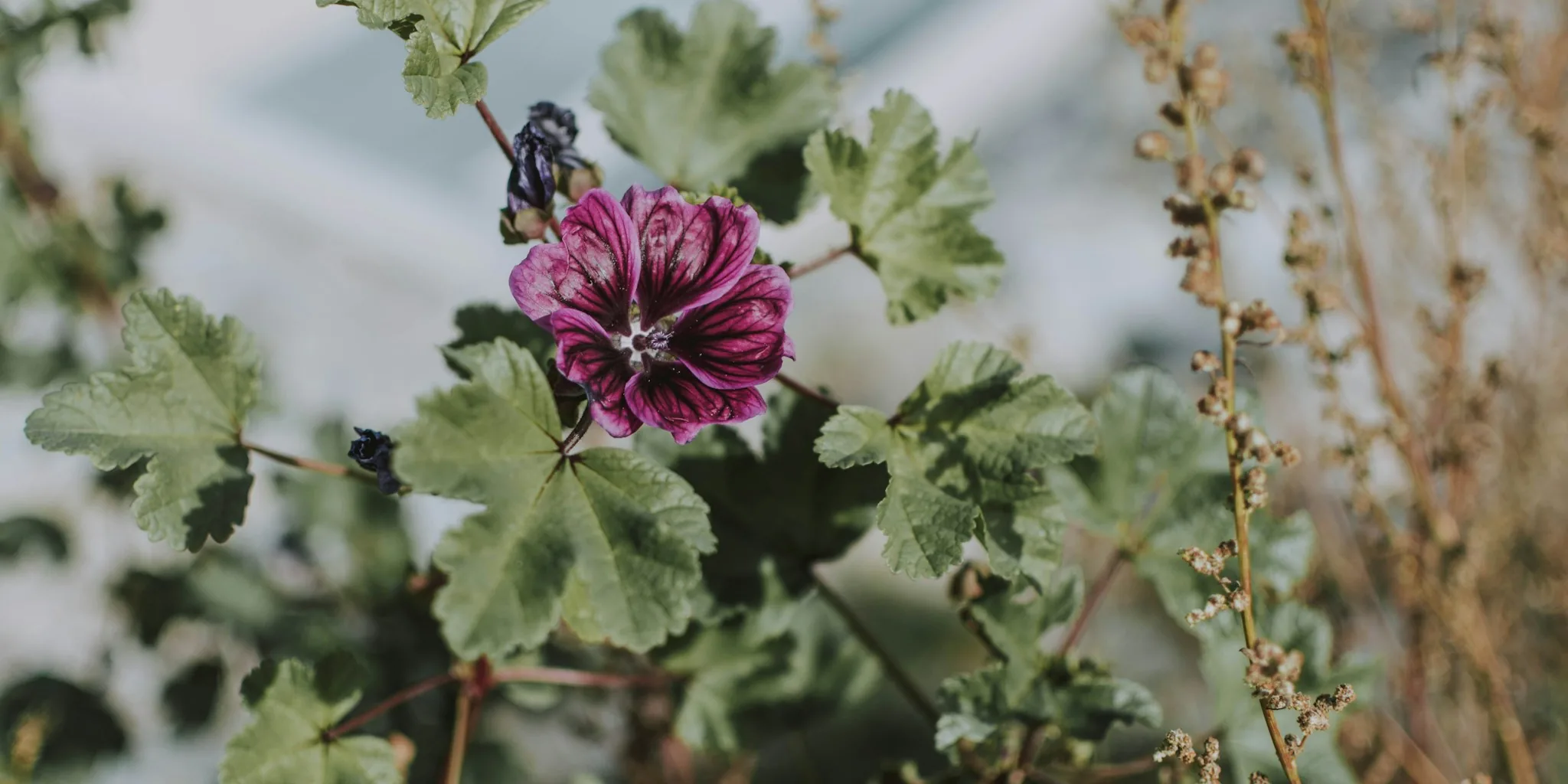

As temperatures drop in October, geranium owners face an important question: save their plants for next season or let them fade away. Understanding what to do right now makes the difference between enjoying your geraniums again next spring and starting from scratch. Here’s what gardeners need to know to protect their investment.
Know Your Geranium Type First
Before diving into fall care, identify which geranium you’re growing. Most people grow tender perennials called Pelargoniums, which act like annuals in cooler climates. True geraniums, sometimes labeled as cranesbill, are hardier perennials that survive winters in most of the United States. Your care approach depends entirely on which type you have, so check your plant label or purchase receipt if you’re unsure.
Remove Faded Flowers and Damaged Foliage
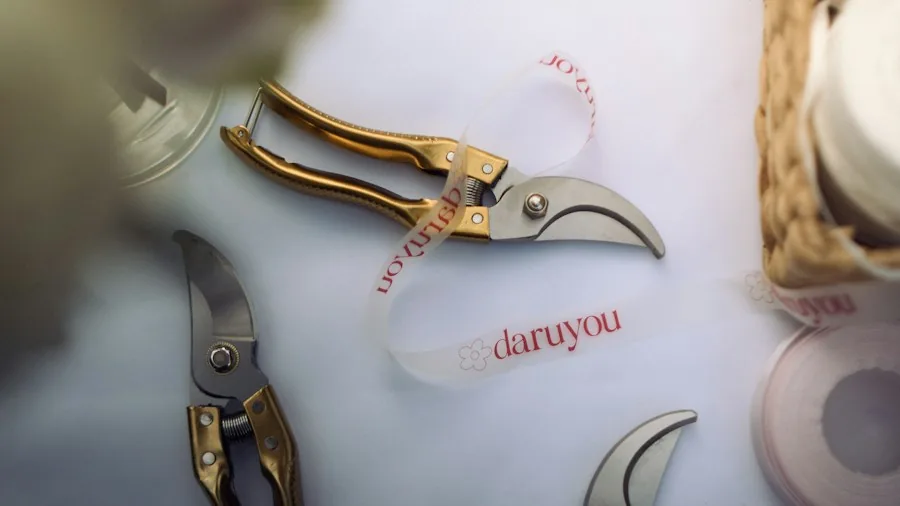
Start by deadheading spent blooms to encourage your geranium to keep flowering as long as possible before winter arrives. Using sharp pruning shears, cut the entire faded flower stalk back to where it meets the main stem. This prevents the plant from wasting energy on seed production. At the same time, trim away any yellow or damaged leaves, and watch closely for signs of fungal infection. Remove any suspicious foliage immediately and dispose of it in the trash rather than your compost bin to prevent disease spread. If you plan to bring plants indoors, removing diseased material now prevents problems from worsening during winter storage.
Cut Back on Feeding
Throughout summer, tender geraniums thrive on regular fertilizer applications that keep blooms coming. By October, it’s time to stop feeding altogether. Continuing to fertilize tricks the plant into producing new, tender growth when it should be slowing down and preparing for dormancy. Extra nitrogen pushes green growth that won’t harden off before cold arrives, making plants more susceptible to cold damage. True geraniums don’t need fall feeding either, so you can safely skip fertilizer for both types.
Adjust Your Watering Routine
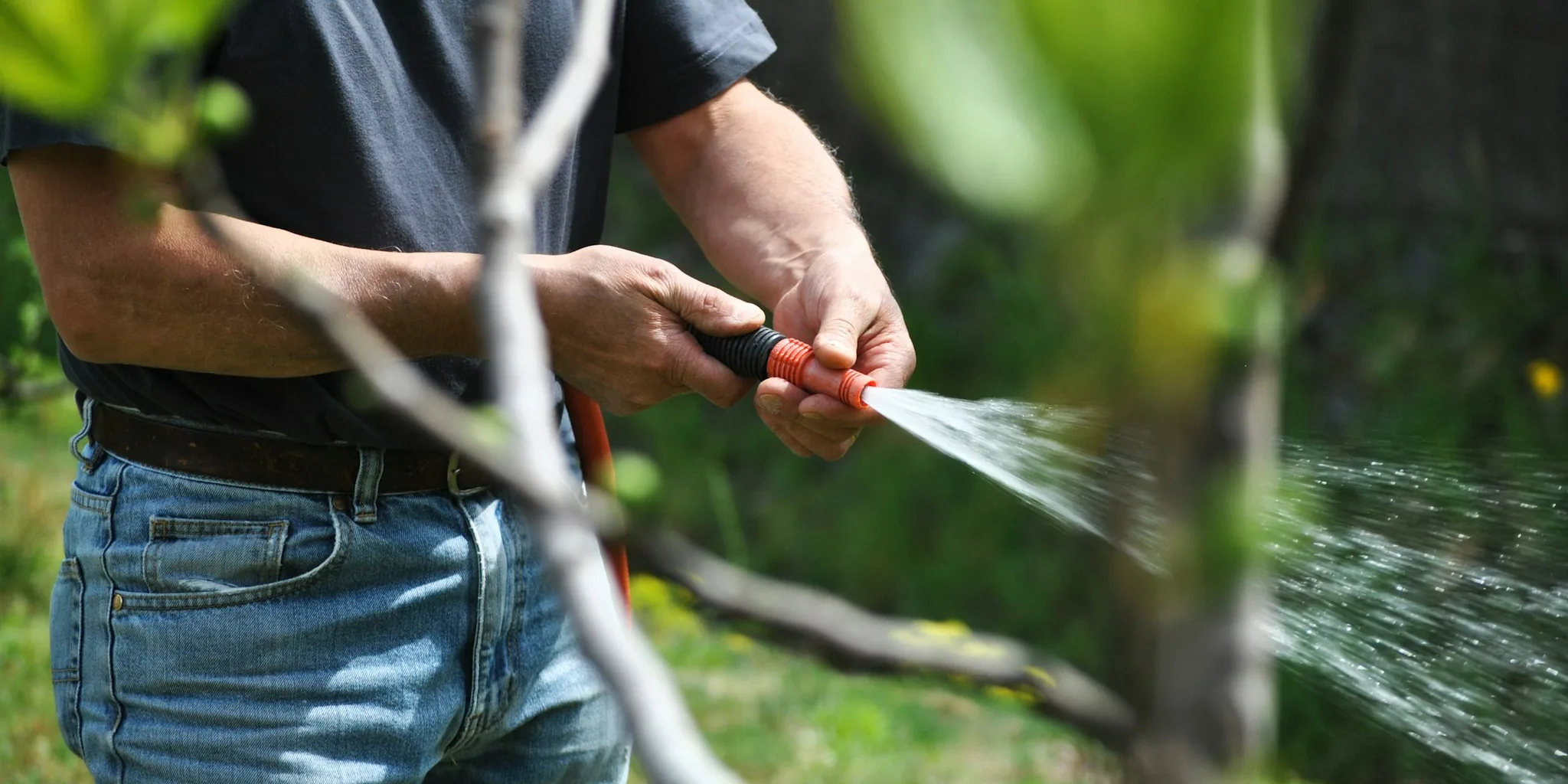
Shorter days and cooler temperatures mean soil stays moist longer, so reduce your watering frequency. Rather than following a strict schedule, check soil moisture by inserting your finger about an inch deep. Water only when the soil feels dry at that depth. During rainy periods, you may not need to water at all. If you’re moving geraniums indoors soon, gradually reduce watering before the move to help the plant adjust to indoor conditions. Hardy geraniums established in the ground need minimal water unless your region experiences drought.
Take Cuttings as Insurance
Even with careful care, not all tender geraniums survive winter indoors. Early to mid-fall is the perfect time to take cuttings from your favorite plants. Choose a healthy stem with no flowers, and cut four to six inches from the tip using clean, sharp shears. Place the cutting in quality potting mix, keep it warm and in bright but indirect light, and maintain moist (not soggy) soil. Within a few weeks, roots develop, giving you a backup plant if the parent plant doesn’t make it through winter. For hardy geraniums, fall root division works better. Dig up the plant, separate a clump with healthy roots, and replant immediately while watering well.
Extend the Season or Bring Plants Inside
If your tender geraniums are still blooming and temperatures haven’t dropped drastically, you can extend their outdoor life. Move potted plants to a sheltered location protected from wind, or place them in a sunnier spot that stays warmer during the day. Drape lightweight frost blankets or old sheets over plants on nights when frost threatens. This buys you extra weeks of flowers if daytime temperatures remain mild.
When overnight temperatures consistently fall below 45 to 50 degrees Fahrenheit, bring potted tender geraniums indoors. First, inspect the entire plant for pests, checking stem crevices and leaf undersides. If you spot insects, treat the plant with organic neem oil spray and let it dry completely before bringing it inside. Once indoors, trim back about one-third of the foliage and place the plant in a bright location away from cold drafts or heating vents. Like other fall plant protection measures, protecting tender plants requires planning ahead to ensure success. True geraniums are hardy in zones 3 through 8, so most gardeners can leave them in the ground outdoors.
Fall geranium care serves two main goals: extending your enjoyment of flowers now and preserving plants for next year. While planning ahead for next season’s color, this simple October maintenance makes the difference between one season of blooms and multiple years of enjoyment from plants you’ve come to love.





Write Your Review
No reviews yet. Be the first to share your experience!