
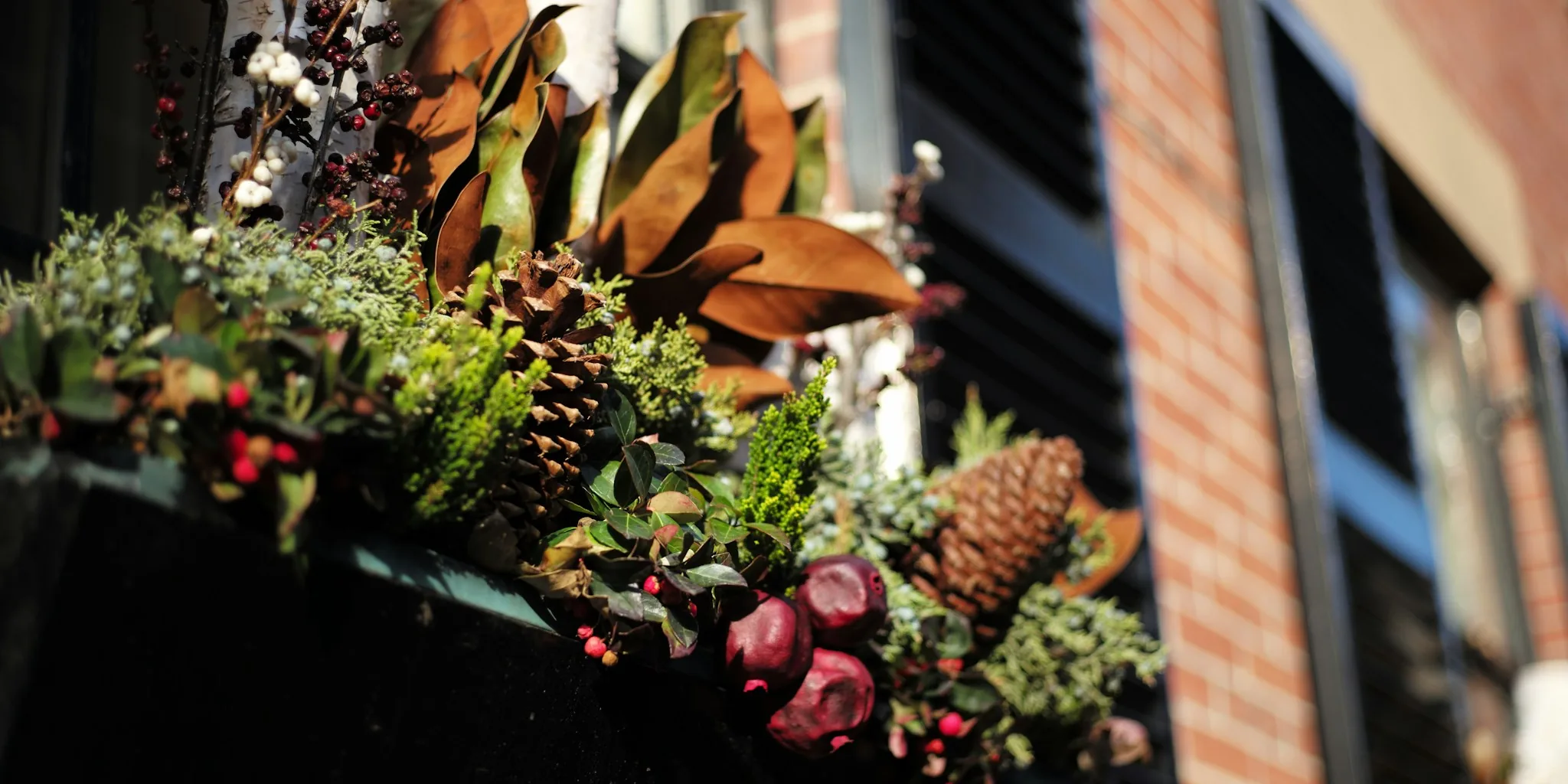

Create Festive Entryway Displays That Last Through the Season
As the holiday season approaches, many homeowners look for ways to brighten their front doors and entryways with seasonal decorations. Holiday porch pots offer a natural, beautiful solution that combines hardy plants and greenery to create a welcoming first impression for guests. Unlike temporary holiday décor, these planted containers provide lasting color and texture throughout the festive months, even as temperatures drop.
The key to a successful holiday porch pot is selecting plant varieties that can withstand winter conditions while maintaining their visual appeal. Not all plants survive cold weather or look attractive once frost arrives. The best choices combine structural interest with festive color, whether through colorful foliage, berries, or unique needle textures.
The Seven Best Plants for Winter Porch Containers
Ice Breaker Korean Fir
If you want a plant that stands out from typical holiday displays, the ‘Ice Breaker’ Korean fir deserves consideration. This dwarf evergreen features twisted, silvery needles with frosted undersides that create a perpetually snow-covered appearance. The plant grows very slowly, reaching only about 2 feet tall after a decade, and remains hardy down to minus 20 degrees Fahrenheit. Its unique form makes it an eye-catching focal point for any holiday planter.
Winterberry Holly
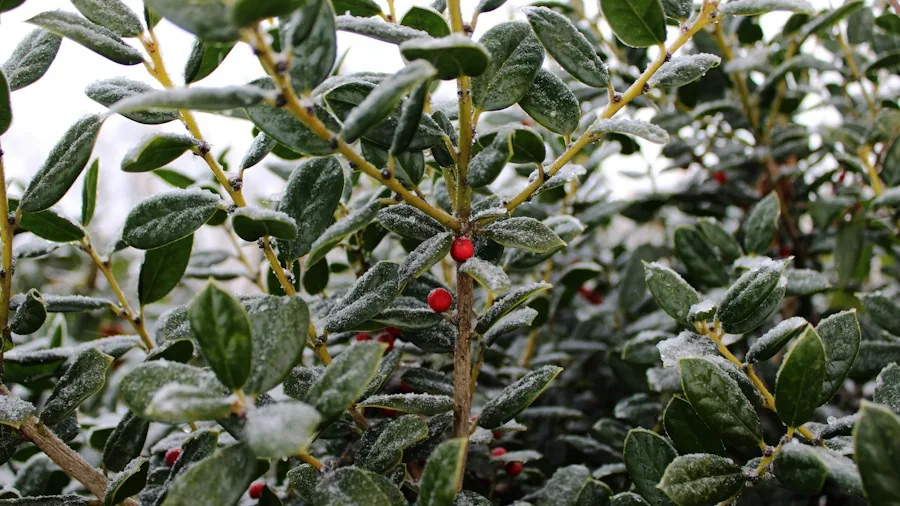
Winterberry holly presents an intriguing combination: bright red berries without evergreen foliage. These native plants lose their leaves in autumn, leaving behind vibrant berry clusters that illuminate winter containers. Unlike traditional holly varieties, winterberry offers stark, striking color during the dreariest months. The plant is hardy through USDA zone 3, making it suitable for most regions. Shoppers seeking maximum visual impact during December often choose this variety.
Ornamental Cabbage and Kale
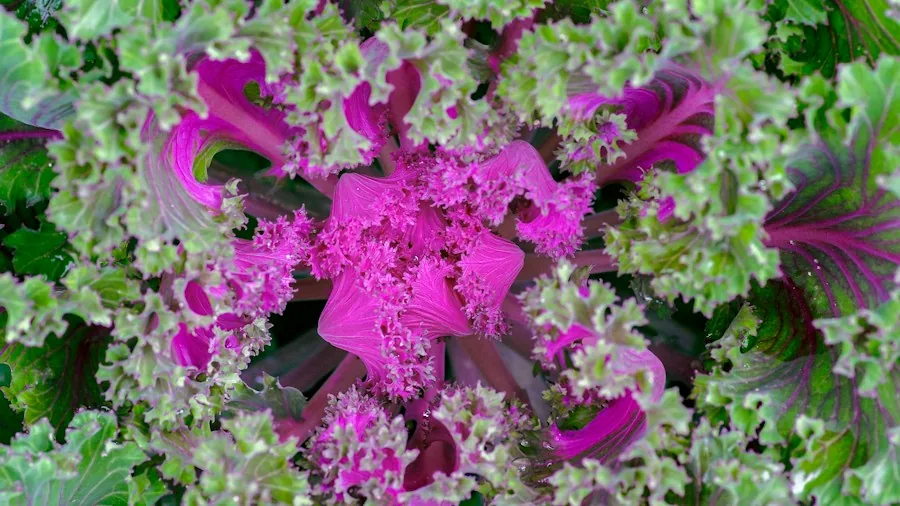
Ornamental cabbages and kales deliver exceptional color in white, pink, red, and purple hues that remain vivid even through freezing temperatures. While technically edible, these plants are grown for their decorative rose-like center rosettes rather than consumption. They pair well with other winter-hardy companions like pansies, ornamental grasses, or berry-laden twigs. Their structured appearance creates a formal, sophisticated look in holiday containers.
Christmas Hellebores
Also called Christmas roses, these plants produce stunning white flowers with deep green foliage. Many hellebores bloom in January, which falls slightly past peak holiday season. However, specific cultivars like ‘Christmas Carol Early’ and ‘Jacob’ bloom in time for December celebrations. Hardy through USDA zone 3, hellebores bring elegant flower color to containers when most other blooms have faded.
Little Gem Norway Spruce
This naturally compact, mounding shrub creates a dense ball of soft green needles that works perfectly in containers. Its slow growth pattern, adding only an inch or two annually, keeps it manageable in planter settings. New growth emerges in bright lime green before darkening to forest green by Christmas. The plant tolerates extreme cold, remaining hardy to minus 40 degrees Fahrenheit.
Coral Bells
Coral bells offer foliage in shades that extend far beyond typical green, including apricot, bronze, pewter, burgundy, and deep purple. The leaves often feature scalloped, wavy, or veined edges that add textural interest. Cultivars like ‘Caramel’ and ‘Peachberry Ice’ provide warm, rich tones perfect for holiday containers. Though flowers appear in spring and summer, the foliage remains the primary appeal during winter months.
Trailing English Ivy
Classic English ivy serves as an excellent cascading element for holiday planters, softening container edges and creating fullness. This evergreen vine maintains its vibrant appearance throughout winter and works well layered with flowers or small shrubs. The trailing leaves add depth and balance to upright or mounding focal plants.
Designing and Building Your Holiday Container
Begin by selecting pots made from winter-resistant materials like metal, wood, or plastic. Ceramic and terracotta can crack in freezing temperatures. Ideal pot sizes range from 12 to 30 inches in diameter and 12 to 18 inches deep for front door displays. Use fresh potting soil rather than leftover summer soil, as proper drainage becomes critical in cold, wet conditions.
Arrange plants using the classic thriller, filler, spiller design. Thrillers are tall, eye-catching focal plants like winterberry holly or ‘Ice Breaker’ fir that draw immediate attention. Fillers are medium-height plants such as coral bells or ornamental cabbage that add depth and texture. Spillers are trailing plants like English ivy that cascade over container edges, creating a finished, full appearance.
Maintaining Your Holiday Pots Through Winter
Water thoroughly after planting until water runs from drainage holes. Moisture will freeze in cold weather, which is normal and expected. As a helpful precaution, frost jackets for winter can provide additional protection for especially delicate plants during unexpected temperature swings.
Monitor soil moisture regularly and water when the top few inches feel dry. During dry winter periods, mist evergreen branches to rehydrate foliage. Position containers close to house walls to shield them from harsh winds and create a protective microclimate. Adding pot feet elevates containers off freezing patios, improving drainage and preventing root rot.
With proper plant selection and basic care, November preparation tasks set the foundation for attractive holiday displays that welcome guests throughout the season. The combination of hardy plants, thoughtful design, and regular maintenance ensures your porch pots remain beautiful from Thanksgiving through New Year’s Day.

Write Your Review
No reviews yet. Be the first to share your experience!