
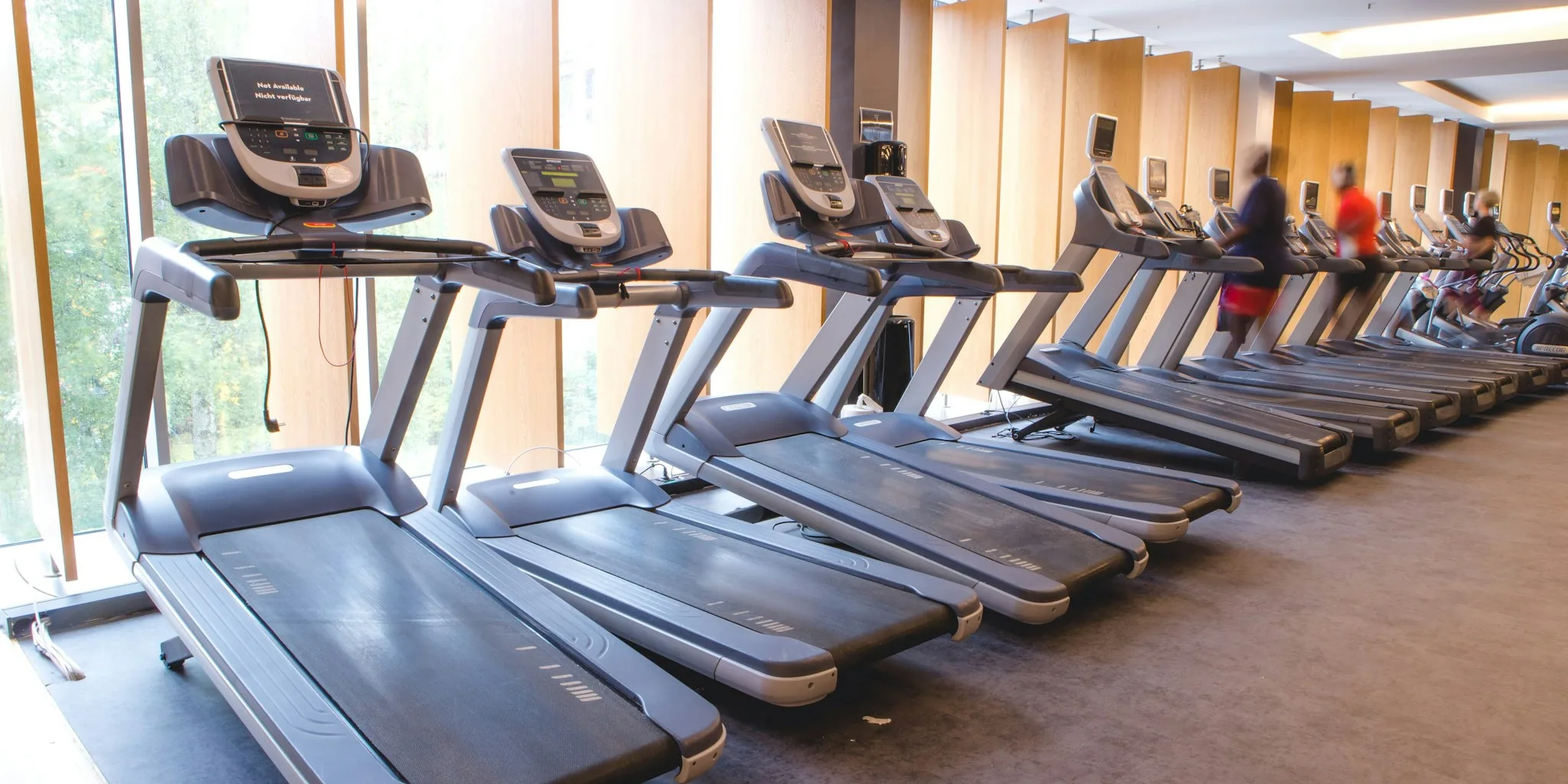

The Indoor Running Shift More Runners Are Making This Winter
As temperatures drop and daylight fades earlier, many outdoor runners face a familiar dilemma: abandon their fitness routine or find an alternative. A growing number of fitness enthusiasts are discovering that treadmill running offers a practical solution to winter training challenges, and the experience is shifting how people think about indoor exercise.
One runner who had resisted treadmills for years decided to test whether indoor running could actually support consistent training through the colder months. After committing to just one or two easy sessions per week, the results surprised him. Within a few weeks, he was running more than he had in any previous winter, and his perspective on treadmill training changed completely.
What Makes Treadmill Running Feel Different

When runners transition from outdoor paths to a treadmill, they often notice something unexpected: the pace feels slower even though the effort feels similar. During a 30-minute session at zero incline, a runner might hit 2.56 miles at an 11:51 pace while maintaining the same heart rate they’d achieve on a 10-minute-per-mile outdoor run. The discrepancy puzzled many until certified running coaches explained the reason.
The mental stimulation outdoors creates a natural distraction from the physical effort. Watching scenery, observing traffic, and noticing details around you keeps your mind engaged. On a treadmill, there’s minimal external stimulus, which makes you hyper-aware of each footstrike and body movement. This heightened awareness can make you feel like you’re working harder than the numbers suggest, even though your actual cardiovascular effort remains consistent.
The solution isn’t to chase a specific pace number on the treadmill display. Instead, certified coaches recommend using perceived effort and time on feet as your measurement tools. This mental shift removes the frustration many newcomers experience and opens the door to treadmill tips that make indoor running feel easier and more rewarding.
Why Consistency Matters More Than Perfect Conditions
The most significant advantage of treadmill training isn’t the ability to run in comfort, it’s the ability to maintain a consistent schedule regardless of weather. When ice, snow, or extreme cold makes outdoor running unsafe or uncomfortable, a treadmill ensures you don’t lose momentum in your training.
Consistency creates measurable physiological adaptations in your body. Regular treadmill running builds aerobic fitness, improves running economy, increases VO2 max capacity, and strengthens your lactate threshold. These improvements stack up over weeks and months, creating a fitness foundation that translates to better performance when outdoor running returns in spring.
Certified coaches emphasize that four or five average workouts consistently completed beat three breakthrough workouts with weeks of gaps between them. Many runners fall into the trap of chasing perfect conditions and flashy workout days, then skipping sessions when weather turns bad. A treadmill eliminates this excuse entirely. Even a three-mile easy run indoors beats skipping your session because conditions aren’t ideal.
Getting Started with Treadmill Running

Modern treadmills offer far more features than the bare-bones machines many people remember from gym class. Built-in entertainment options, heart rate monitoring integration with smartwatches, and customizable incline settings create an experience that feels remarkably different from decades past.
For runners new to treadmill training, the biggest hurdle is psychological rather than physical. Overcoming the belief that “real” running only happens outdoors takes time, much like turning a large ship around. The hardest part isn’t the actual running, it’s stepping onto the belt for the first time with an open mind.
Once you accept the treadmill as a legitimate training tool, the benefits become clear. Focus on effort level rather than speed numbers. Use entertainment like podcasts or shows to pass the time. Judge success by minutes completed rather than miles covered. These simple adjustments remove the frustration and reveal why treadmill workouts can be just as effective as outdoor running.
What This Means for Winter Runners
Winter doesn’t have to derail your fitness goals. For runners in areas with harsh seasonal weather, a treadmill transforms those months from an annual training break into an opportunity for consistent improvement. The months when outdoor running feels impossible become months when you’re building a stronger aerobic base and developing better running efficiency.
Runners who embraced treadmill training this past winter reported logging more miles in cold months than they had in years. That consistency created fitness gains that carried forward into spring training and beyond. By removing weather as an excuse, they fundamentally changed their approach to year-round training.
Whether you’re a devoted outdoor runner or someone looking to maintain fitness through winter, understanding how treadmill training fits into your routine opens new possibilities. The experience transforms what many once saw as a last resort into a valuable tool for achieving consistency and building long-term fitness.






Write Your Review
No reviews yet. Be the first to share your experience!