


Wildfire smoke blanketing parts of the Midwest and Northeast is forcing runners across the country to reconsider their training plans. If you’ve been monitoring air quality reports and wondering whether it’s safe to lace up and head outside, the honest answer is likely no. When smoke reaches unhealthy levels, shifting your workout indoors becomes the smarter choice for your respiratory health.
Why Wildfire Smoke Poses a Real Risk to Runners
Unlike rain or cold weather, wildfire smoke isn’t just unpleasant to run through, it actively harms your lungs. The primary concern is fine particulate matter called PM2.5, which is small enough to travel deep into your lungs when inhaled. While anyone breathing smoky air faces exposure, runners face a compounded problem.
The issue intensifies during exercise because your body demands far more oxygen. An adult engaged in strenuous activity breathes approximately ten times more air than someone at rest. On a day when the air is thick with smoke, that single outdoor run can deliver significantly more polluted air into your respiratory system than your body can safely process.
This is especially concerning if you fall into a higher-risk category. People with asthma, COPD, heart disease, diabetes, respiratory infections, older adults, pregnant people, and children should exercise extra caution during smoky conditions. Even if you’re a healthy athlete, the cumulative effect of breathing contaminated air during intense exercise is worth taking seriously.
Using Air Quality Index Numbers to Make the Call
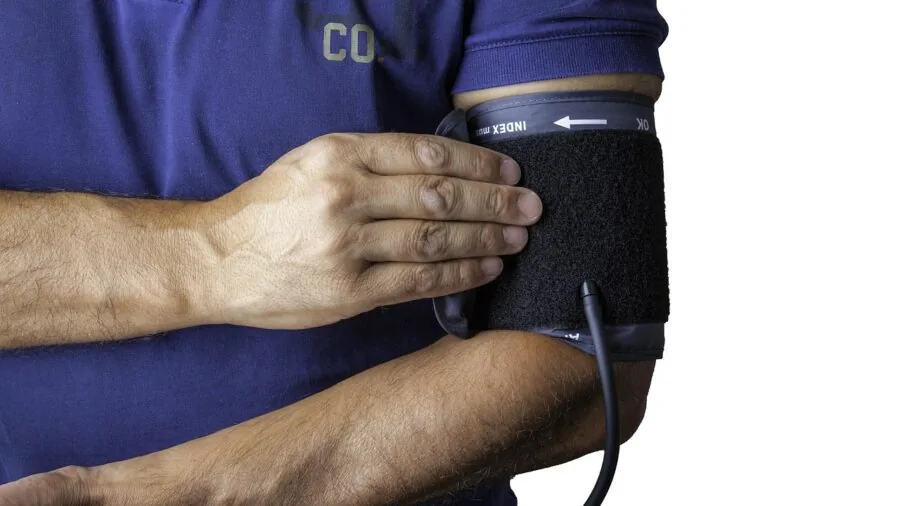
Rather than relying solely on how the air looks or smells, check the Air Quality Index (AQI) in your area before heading out. The AQI gives you a numerical threshold to guide your decision.
Outdoor running conditions are cleanest below an AQI of 50. Healthy individuals can typically still exercise outdoors when the index falls between 51 and 100, though people in vulnerable populations should be cautious. Once the AQI climbs above 100, outdoor exercise becomes questionable. When it reaches 150 or higher, moving your workout indoors is the clear recommendation.
Checking the AQI removes the guesswork from the decision. Instead of wondering whether you’re overreacting or being too cautious, you have an objective metric to rely on. This makes it easier to commit to an indoor alternative without second-guessing yourself.
The Treadmill is Your Best Option During Poor Air Quality
Yes, treadmill running can feel monotonous compared to outdoor trails and roads. Yes, it disrupts your training rhythm when smoke forces you inside. But your lungs are irreplaceable, and one missed outdoor session won’t derail your fitness progress.
If you’ve been putting off investing in home cardio equipment, smoky air quality is a solid reminder of why cardio machines are worth your money for home workouts. A quality treadmill lets you maintain your training schedule regardless of outdoor conditions, whether that’s smoke, extreme heat, ice, or heavy rain.
You can adjust the incline to simulate outdoor terrain, control your pace precisely, and complete structured interval work. Many runners find that varying their treadmill workouts with hill repeats or tempo runs makes the experience feel less tedious than easy outdoor runs on pavement.
What to Do If You Must Run Outside in Smoky Conditions
Not everyone has access to a treadmill, and some runners may face situations where an outdoor workout becomes necessary despite poor air quality. If you choose to run outside in smoky conditions, follow these guidelines to minimize risk.
Lower your exercise intensity compared to what you’d normally do. Instead of hitting goal paces or pushing hard, dial back to an easy recovery-run effort. Shorten your workout duration as well, since less time exercising means less total air exposure. Stay hydrated by drinking water before, during, and after your run. Pay close attention to how your body feels, and stop immediately if you experience chest pain, shortness of breath, dizziness, or unusual fatigue.
Additionally, wear the best running shoes for comfortable outdoor training to ensure your feet and joints are properly supported during reduced-intensity efforts. Good footwear matters even more when conditions are compromised, since you want to focus on respiratory safety rather than managing foot discomfort.
The Bottom Line for Your Training
Wildfire smoke changes the equation for outdoor running. No single workout, no matter how important it feels in the moment, is worth compromising your long-term respiratory health. If the AQI exceeds 100 in your area, move indoors. Your training plan is flexible enough to absorb one treadmill session, a modified workout, or an unplanned recovery day.
Taking care of your lungs today means you’ll have healthy airways for countless future runs, races, and outdoor adventures. That’s a trade worth making.






Write Your Review
No reviews yet. Be the first to share your experience!