
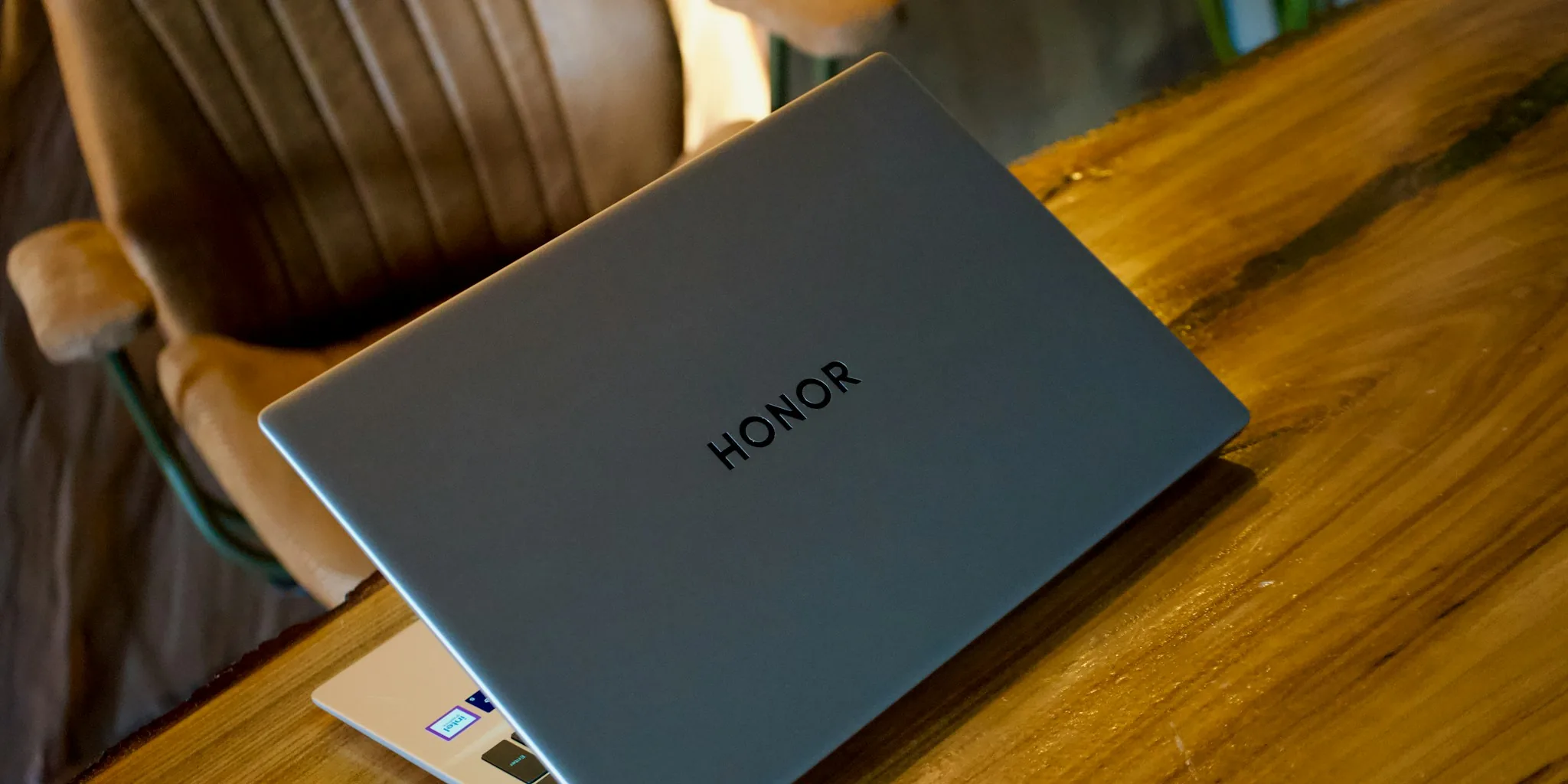

For years, Chromebooks have dominated the budget laptop market, offering affordable machines for students and casual users. But a significant shift may be coming. Acer’s upcoming Googlebook 14 GP714-91N, which has surfaced in retailer databases and leaked specifications, suggests that Google’s next-generation laptop platform could finally break into the premium segment with hardware that actually justifies a higher price tag.
Premium Hardware Changes the Game
The leaked specifications for Acer’s Googlebook reveal a machine built for far more than basic browsing and streaming. The device is expected to feature Intel’s Core Ultra 7 355 processor, up to 32GB of RAM, and a stunning 2.8K OLED display running at 120Hz. Alternative configurations may include a Core Ultra 5 325 paired with 16GB of RAM and 256GB of SSD storage, though still featuring the same premium 14-inch OLED panel.
This hardware lineup signals a fundamental departure from what consumers have come to expect from Chromebooks. The combination of a premium processor, ample memory, and a high-resolution OLED screen puts the Googlebook firmly in the same category as Windows laptops that cost significantly more. For years, the Chromebook market has faced a persistent problem: once pricing climbs above the budget tier, shoppers naturally question why they shouldn’t simply purchase a traditional Windows machine instead. Acer appears to be addressing this head-on by offering genuinely premium components that can compete on specifications alone.
Software Must Rise to Meet the Hardware
However, impressive components alone do not guarantee success. Google’s new Googlebook platform will need to deliver a compelling software experience that actually takes advantage of the hardware capabilities. The platform promises integration of Android apps, advanced Gemini AI features, and proper desktop workflows optimized for a laptop-sized screen.
The critical challenge lies in execution. Chromebooks have historically felt like tablet experiences stretched onto notebook screens, and simply adding more RAM will not solve this fundamental issue. For the Googlebook to succeed in the premium segment, Google must demonstrate that its software can provide a seamless, native laptop experience that justifies the superior hardware. Google’s new Android laptop line represents a major pivot from traditional Chromebooks, and the software architecture must prove worthy of that investment.
Pricing Will Determine Success
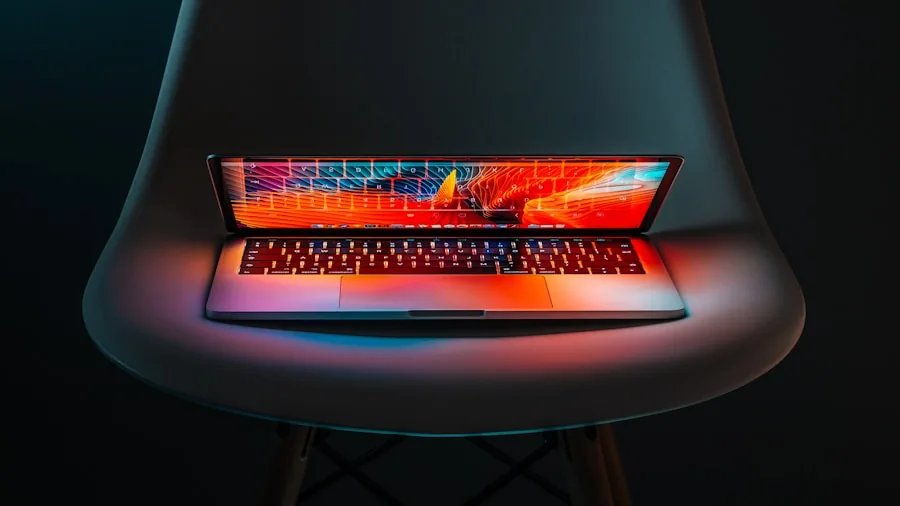
The most important question remains unanswered: what will Acer charge for the Googlebook 14? Premium hardware inevitably drives up production costs, and this machine could easily command a price that places it well above the affordable laptops that built ChromeOS’s initial reputation.
If Acer can strike the right balance between premium features and reasonable pricing, the Googlebook could represent a genuine breakthrough for Google’s laptop platform. The company would finally have a machine that offers shoppers a legitimate reason to choose it over Windows alternatives beyond just affordability. For too long, Chromebooks have been relegated to the budget market. A well-designed, fairly priced premium option could expand Google’s reach into the mid-range and even the high-end laptop segments.
What This Means for Laptop Shoppers
Students and professionals evaluating laptop options should pay close attention to how this story develops. If the Googlebook succeeds, it could reshape the entire laptop market by proving that Google’s software can compete with established Windows and macOS ecosystems at higher price points. This competition ultimately benefits consumers by increasing choices and potentially driving innovation across all laptop categories.
The Googlebook 14 represents Google’s clearest attempt yet to build a laptop platform that can command respect beyond its price tag. By pairing legitimately premium hardware with thoughtfully designed software and sensible pricing, Acer and Google may finally create a Chromebook successor that even affluent shoppers can justify recommending to others. For an industry that has long viewed Google laptops as budget options, that would be a remarkable transformation. Shoppers interested in learning more about Google’s broader tech announcements should stay informed about upcoming Google events where new products are typically revealed.


Write Your Review
No reviews yet. Be the first to share your experience!