


A New Generation of Laptops Designed for Artificial Intelligence
For the first time, everyday consumers can purchase laptops built from the ground up to run advanced AI models directly on their devices. At the IFA 2026 technology conference in Berlin, manufacturers unveiled the first hands-on examples of machines powered by Nvidia’s RTX Spark superchip, marking a significant shift in how laptops are engineered and what they can accomplish. These aren’t incremental upgrades; they represent a fundamentally different approach to processor design that could reshape the computing landscape.
The most immediate beneficiary of this shift appears to be Lenovo, which demonstrated the Yoga 9n 2-in-1, a 16-inch convertible laptop that rivals premium offerings from established competitors. The device features a 2880 x 1800 pixel OLED touchscreen with a 120-hertz refresh rate, metallic rounded edges, minimal bezels, and an unusually large 9.2-megapixel webcam. At just 0.69 inches thick, it nearly matches the thinness of high-end MacBook Pro models while delivering substantially more processing power through its specialized chip architecture.
The Technology Behind the New Laptops
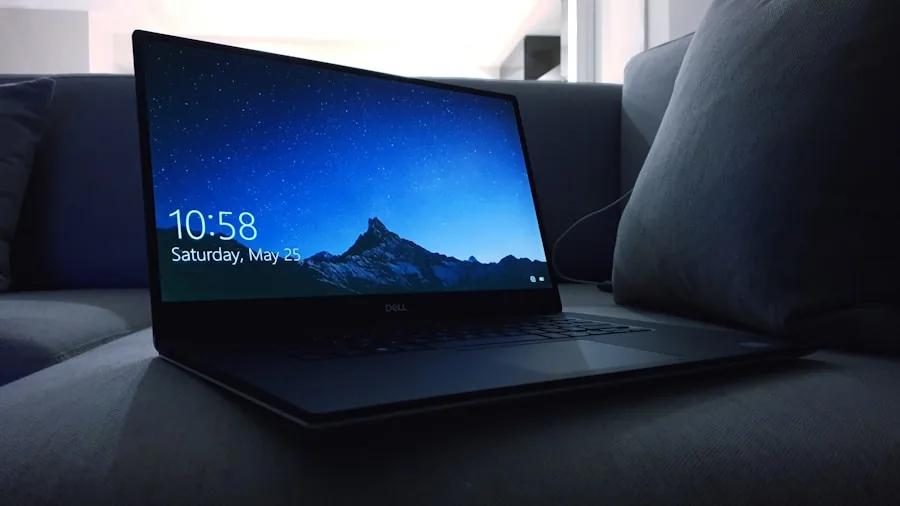
What makes these machines different comes down to the processor itself. Rather than using traditional x86 architecture found in most Windows computers, the RTX Spark superchip relies on Arm-based design. This single processor combines a Grace CPU with up to 20 cores alongside a Blackwell GPU containing up to 6,144 cores. All components share memory in a unified system architecture more similar to Apple’s proprietary chips than conventional laptop processors.
The implications are significant. Based purely on core counts, the integrated graphics performance theoretically falls somewhere between an RTX 5070 Ti and RTX 5080. Lower-configuration models will reportedly be available, though specific performance details remain limited. Perhaps most importantly, the unified architecture should deliver better battery efficiency compared to laptops using separate discrete graphics cards.
Lenovo is offering multiple configurations of the RTX Spark platform. The Yoga 9n 2-in-1 maxes out at 64 gigabytes of memory, while the smaller Yoga Pro 9n, a 15-inch model, supports up to 128 gigabytes. The Pro model adds a stylus-compatible Force Pad touchpad and maintains the same OLED display quality at a 2560 x 1600 resolution on its more compact screen.
A Growing Selection of RTX Spark Machines
The Lenovo lineup represents only the beginning. Additional manufacturers including HP, Dell, Asus, and Microsoft have announced RTX Spark laptops arriving this fall, with models ranging from 14 inches to 16 inches. These devices consistently target professionals, content creators, and AI enthusiasts. Notably, manufacturers are also releasing compact desktop alternatives, including the Acer SFF RTX Spark and Asus ProArt Mini PC, both providing comparable processing power in a form factor matching the Mac Mini.
Competitors aren’t ignoring this trend. Lenovo simultaneously unveiled the ThinkCentre X Ultra powered by AMD’s Ryzen Max+ Pro 495 processor, offering 128 gigabytes of memory specifically for running AI workloads locally. This competing approach suggests the market for local AI computation spans multiple processor architectures.
What This Means for Your Computing Needs

The primary advantage of local AI processing addresses privacy and independence from cloud services. Running sophisticated AI models on your own hardware means your sensitive data, financial information, emails, and personal files never need to travel to remote servers. For professionals handling confidential information, this capability alone justifies upgrade consideration. Home users seeking to maximize productivity and security should evaluate whether local AI integration matches their workflow requirements.
However, pricing presents a genuine barrier to adoption. The ThinkCentre X Ultra base model starts at $3,699, and that price covers the entry-level configuration. Comparable systems with maximum memory configurations will cost substantially more. For context, the most affordable MacBook Pro with higher RAM and professional capabilities exceeds $6,000. These aren’t budget-friendly computers.
Memory costs themselves have reached unprecedented levels, making 64-gigabyte and 128-gigabyte configurations particularly expensive. Anyone considering these machines should plan for significant investment and ensure they actually need the AI capabilities before purchasing.
The Bottom Line
The arrival of AI-focused laptops represents a genuine evolution in personal computing. Whether you’re a professional running machine learning models, a developer building AI applications, or simply someone seeking the latest technology, these RTX Spark machines deliver unprecedented on-device computing power. Students and casual users should carefully assess whether local AI processing aligns with their actual needs before committing to premium pricing. The technology is impressive; ensure it solves your problems before upgrading.



Write Your Review
No reviews yet. Be the first to share your experience!