
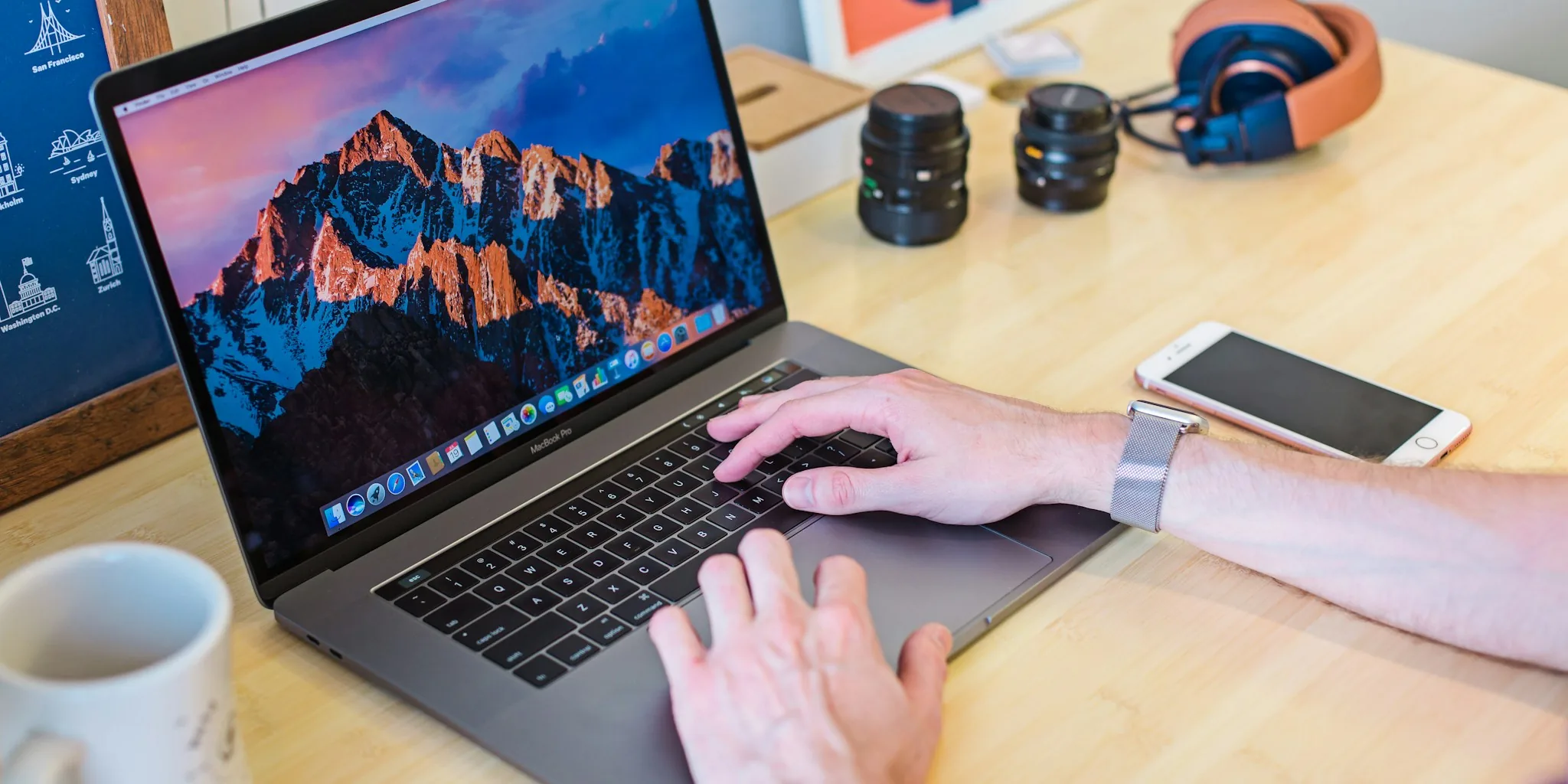

Apple Launches New Upgrade Program Letting You Lease MacBooks Instead of Buying
Apple has introduced a fresh way for shoppers to own computers and other devices without paying the full price upfront. The new Apple Upgrade program, powered by Klarna, lets you lease MacBooks, iPads, iPhones, and Apple Watches through manageable monthly payments. For those considering a MacBook, understanding how this program works and whether it makes financial sense is crucial before committing.
How the MacBook Lease Program Works

The Apple Upgrade program stretches MacBook payments across 24 or 36 months, with monthly costs starting as low as $24.99 for select models. To qualify, you must be at least 18 years old, a US resident with a valid phone number, eligible payment card, and Social Security number. The application process involves only a soft credit check, making it accessible to many buyers.
Unlike traditional financing, the program functions as a true lease through Klarna, not a purchase agreement. This distinction matters because you never own the device during the lease term, meaning you cannot modify it or sell it without permission. AppleCare+ coverage is available but billed separately, so factor that into your total monthly costs.
What Happens When Your Lease Ends
Once your lease term concludes, you have three distinct paths forward. You can return the MacBook and upgrade to a newer model, pay a remaining fee to take ownership of your current machine, or simply walk away and end your relationship with the program. Apple gives you up to six months after your term expires to decide. If you do nothing, Klarna automatically charges your payment method for the purchase option fee.
For MacBooks specifically, experts generally recommend pursuing the pay-to-own route at lease’s end. Since the newest MacBook chips offer substantial performance for four to five years of regular use, holding onto your machine long-term makes more financial sense than constantly upgrading.
Is MacBook Leasing Actually Worth It
The true value of Apple Upgrade depends on your specific situation and financial priorities. If you have limited cash on hand but urgently need to replace an older Intel-based MacBook or an M-series Air model, spreading payments across three years reduces your immediate burden. This flexibility allows you to keep money available for other obligations while still accessing current technology.
However, the math doesn’t always work in your favor. When you total up all 36 monthly payments plus the purchase option fee at the end, you often end up paying close to what you would have spent buying the MacBook outright on day one. You gain convenience and payment flexibility, but you don’t gain significant savings. Additionally, features and tools like trackpad gesture apps for MacBooks work best when you feel confident about keeping your machine long-term.
MacBooks hold their resale value exceptionally well compared to other consumer electronics. If you buy outright and later decide you want something new, selling your current machine recovers meaningful cash. Leasing eliminates that financial recovery opportunity entirely.
Who Should Consider This Program

Students and early-career professionals who need computing power but lack substantial upfront capital may find leasing attractive. For college-bound shoppers evaluating MacBook options, the monthly payment structure can feel more manageable than a single large expense. If your circumstances change frequently or you relocate often, the flexibility to upgrade or exit the agreement appeals to certain buyers.
Conversely, if you plan to keep a MacBook for several years and value ownership rights, buying outright remains the smarter choice. Users who customize their machines, need to modify operating systems extensively, or want to resell later should avoid leasing.
Looking Ahead: Technology Worth Owning
The M5 family of MacBook chips represents another generation of impressive performance gains, and upcoming innovations like the planned OLED MacBook Air display upgrade for 2028 suggest the machines you purchase today will remain relevant for years. This longevity strengthens the case for buying rather than leasing, since you can enjoy your machine beyond its loan term and benefit from future software improvements.
Before enrolling in Apple Upgrade, compare the total cost over your intended usage period against the current retail price. Calculate the monthly payment, AppleCare+ fees, and purchase option cost combined. If that total substantially exceeds the retail price, buying immediately makes more financial sense. The program works best for those who genuinely prioritize payment flexibility over cost savings.


Write Your Review
No reviews yet. Be the first to share your experience!