
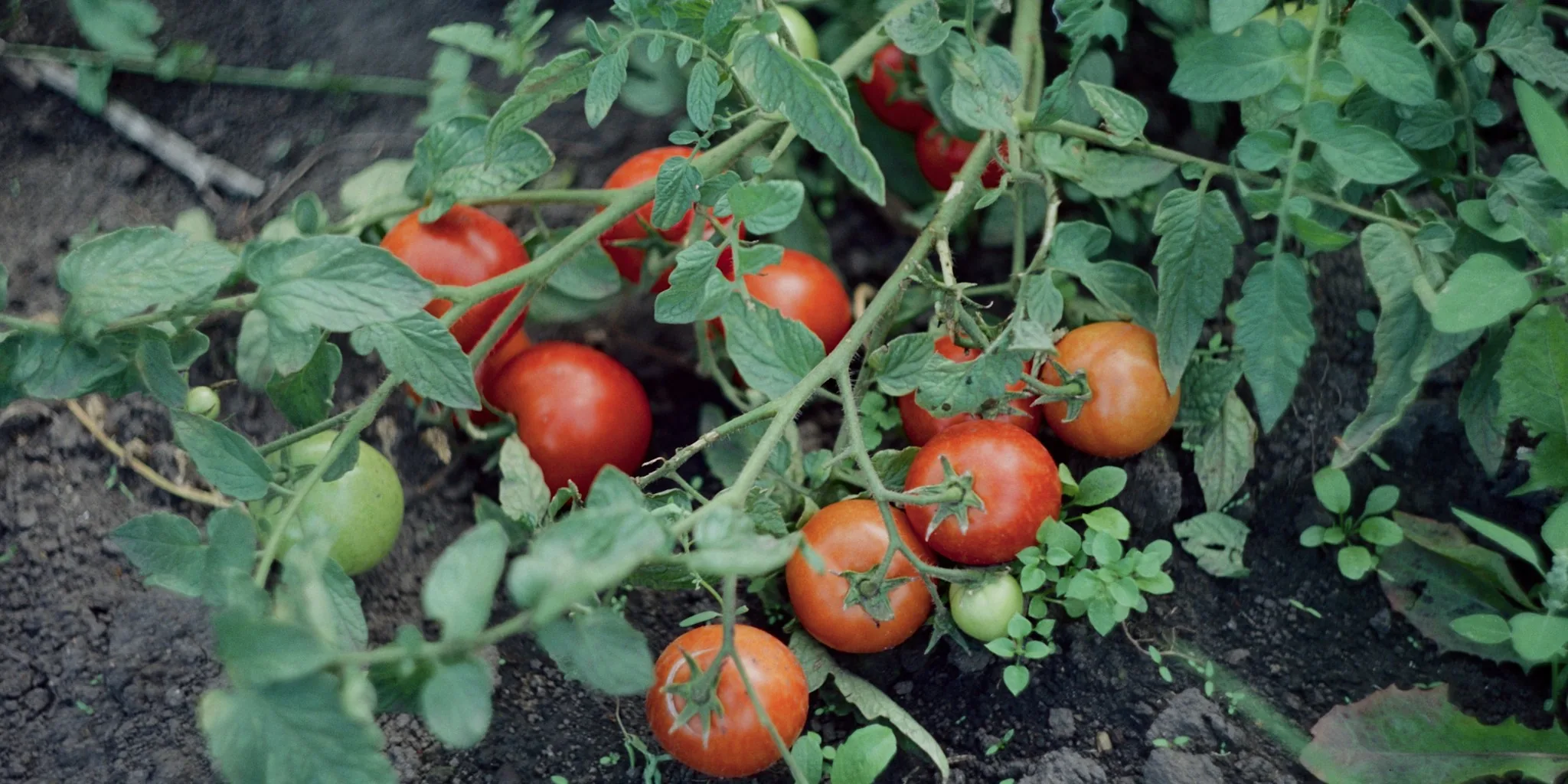

As summer peaks, your tomato plants are entering their most critical growth window. What you do in August directly impacts whether your harvest will be abundant and delicious, or disappointing and disease-ridden. The good news: these five targeted care steps are simple, require no special skills, and deliver dramatic results.
Remove Lower Leaves to Prevent Disease
By August, indeterminate tomato plants are dense with foliage. Begin stripping away the lower leaves starting at soil level to improve airflow and reduce disease risk. Dense foliage creates humid conditions where fungal diseases thrive, particularly late tomato blight outdoors or leaf mold in greenhouses. Better air circulation also allows sunlight to reach developing fruit and makes it easier to spot problems early.
Start gradually: remove one layer of lower leaves each week, raising the leafless zone to the plant’s midpoint by peak harvest time. This gradual approach prevents shock to the plant while revealing tomatoes that need ripening sun. Additionally, you can water the soil directly without wetting foliage, which further reduces disease spread. Skip this step for determinate varieties, though still remove any leaves touching soil to prevent disease.
Prune Stems and Pinch Growth Tips
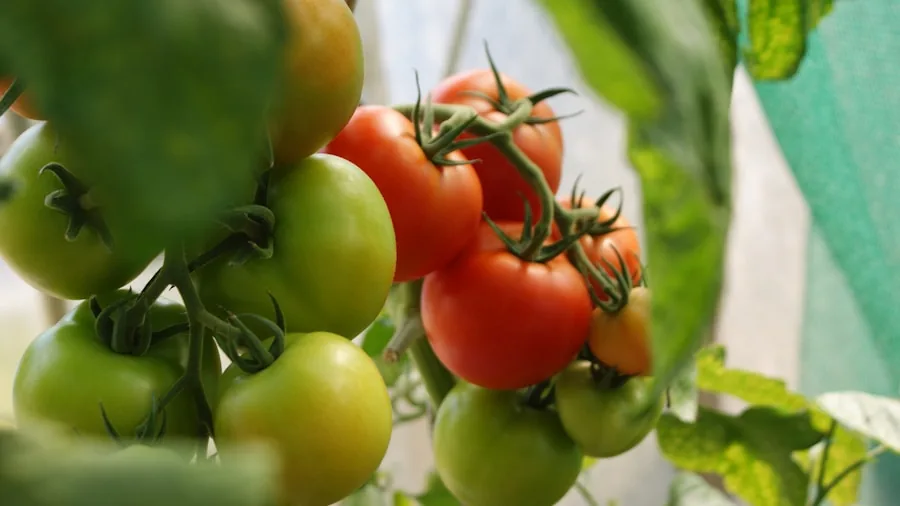
Indeterminate tomatoes are vines that grow continuously until frost kills them. In August, redirect that growth energy away from foliage and toward fruit production and ripening. Begin pinching off any shoots that emerge in the junctions between the main stem and leaf branches. This prevents the plant from wasting resources on unnecessary stems and leaves.
When plants reach four or five fruit clusters, pinch out the main growing tip of indeterminate varieties by snipping off the top few inches of the main stem with hand pruners. This halts upward growth and concentrates all energy into developing existing tomatoes. Later in August, consider removing newly formed flower clusters if your zone and variety won’t allow them time to mature before season’s end. Cherry tomatoes need 45 to 60 days from flower to ripe fruit, while beefsteak varieties can require up to 90 days. Temperatures above 86°F also slow development, so monitor your local conditions carefully.
Water Consistently for Quality Fruit
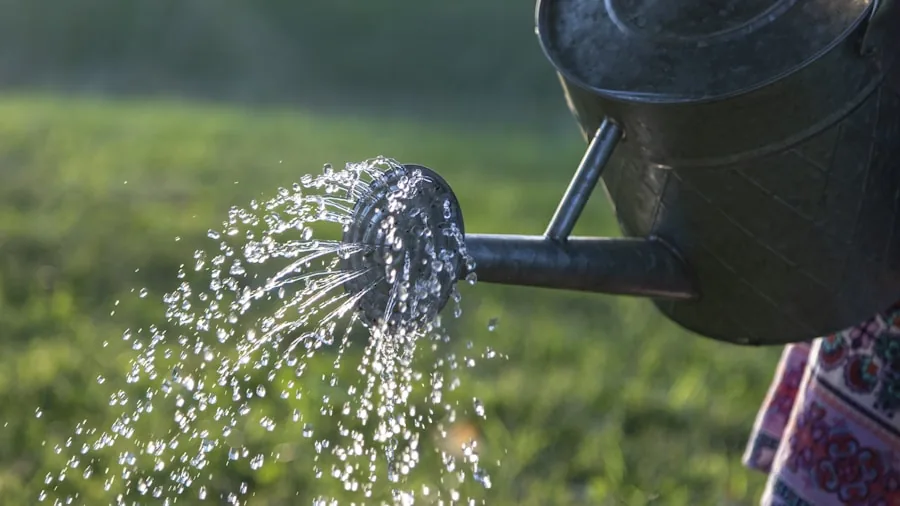
Inconsistent watering causes split skins and blossom end rot, the dark flat patches that appear on the fruit base. Although blossom end rot is technically a calcium deficiency, soil usually contains adequate calcium. The real culprit is uneven moisture preventing the plant from transporting calcium where it’s needed. Aim for steady, consistent watering that maintains even soil moisture levels.
Reduce evaporation stress by providing afternoon shade, using shade cloth that blocks 30 to 40 percent of sunlight while still allowing adequate light for ripening. Once most fruit has set and is actively ripening, slightly reduce watering if temperatures moderate. However, decrease water volume rather than frequency to maintain consistent moisture without causing leaf wilting. Proper August watering timing prevents many common tomato problems while concentrating sugars for better flavor.
Feed Weekly, Then Taper Off
Continue weekly feeding with a high-potassium tomato fertilizer until your uppermost fruit clusters reach full size. However, knowing when to stop is equally critical. Once you’ve pinched the main stem tip and plants begin directing energy toward ripening existing fruit, reduce feeding strength gradually. Excess fertilizer can cause nutrient burn, promote excess foliage growth, and actually slow fruit production.
From mid-August onward, taper fertilizer application rather than stopping abruptly. This transition prevents sudden nutrient shock while avoiding overstimulation of leafy growth at the expense of ripening fruit.
Monitor for Spider Mites
Hot, dry August conditions create ideal environments for red spider mites, which sap plant vitality and can devastate your harvest if left unchecked. These tiny pests are difficult to spot directly. Instead, watch for moving specks of dust on leaves (the mites themselves), stippled or mottled foliage that eventually dies and drops, fine silky webs on stems and leaves, or white cast skins and egg shells on leaf undersides.
Act immediately upon spotting signs of infestation, as high summer heat accelerates egg hatching from 55 days to just 7 days, and a single female can lay 10 to 20 eggs daily. Remove heavily infected leaves and spray the entire plant, especially leaf undersides, with neem oil. Apply weekly for three weeks to catch newly hatching mites and break the lifecycle. If using raw neem oil, dilute 1 to 2 teaspoons in a quart of warm water with half a teaspoon of mild dish soap added to help emulsification.
August is when your tomato investment pays off. Strategic plant management in these final peak-season weeks ensures healthy, productive plants that continue delivering flavorful fruit week after week through fall.




Write Your Review
No reviews yet. Be the first to share your experience!