
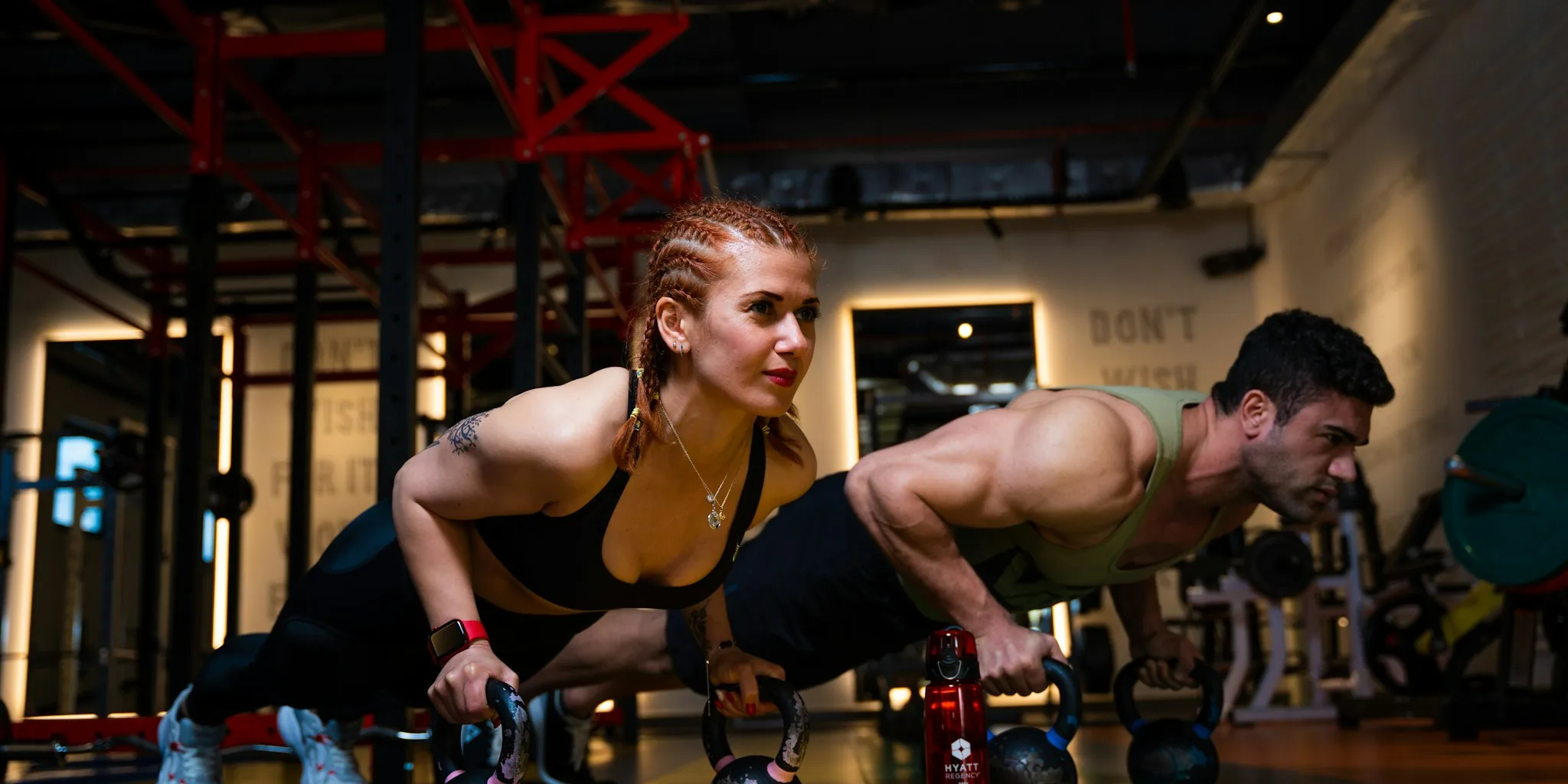

Why Core Training Matters for Your Fitness Routine
Many people dread core exercises, but skipping functional core training comes at a real cost. A strong core isn’t just about aesthetics: it’s fundamental to how your body moves, lifts, and carries weight during everyday life. Functional training focuses on compound movements that mimic real-world activities, strengthening the abdominal muscles that attach to your pelvis and spine while simultaneously engaging multiple muscle groups.
Consider a simple task like carrying groceries. This mirrors a movement pattern called bracing and carrying, where your core must stay tight to support heavy loads without straining your back. A weak core can lead to poor posture and significantly increase your risk of injury during these routine activities.
Key Benefits of Functional Core Workouts

Research demonstrates that functional core training delivers measurable benefits beyond day-to-day performance. A 2022 review in the International Journal of Sports Physical Therapy found that core stability exercises effectively decrease pain, improve functionality, and increase core strength for those with nonspecific lower back pain. Beyond pain relief, a 2024 study in the British Journal of Sports Medicine showed that hip and core exercise programs were highly effective in preventing lower extremity injuries in recreational runners.
Your core serves as the foundation for your entire body. Without a strong foundation, everything else can falter, affecting both your movement quality and athletic performance. When you pair functional core training with other fitness efforts, you create a solid base that helps you lift weights with better form and perform at higher levels, whether you’re running a 5K or pushing through a marathon.
A 2025 review published in Frontiers in Sports and Active Living found that core training improves core strength, dynamic balance, and sprint speed. These improvements translate into greater confidence and efficiency across all physical activities. When selecting the best workout shoes for your training, remember that proper footwear works alongside a strong core to improve stability and performance.
The Core Muscles Explained
Your core consists of three primary muscle groups. The rectus abdominis sits highest on the surface and is responsible for spinal flexion and stabilization: these are the muscles visible as a six-pack when defined. The internal and external obliques sit on the sides of your body and enable the spine to rotate, flex, and bend in multiple directions. Deepest of all, the transverse abdominis stabilizes the spine and pelvis, providing crucial support for all movement.
Because your core is multidimensional, you need to strengthen it in all directions and planes of motion. Traditional situps only engage the core in a single direction, which leaves gaps in your strength. A well-rounded routine includes rotational movements like Russian twists, lateral movements like side bends, and multidirectional stability work like plank variations.
Essential Functional Core Exercises for Your Routine
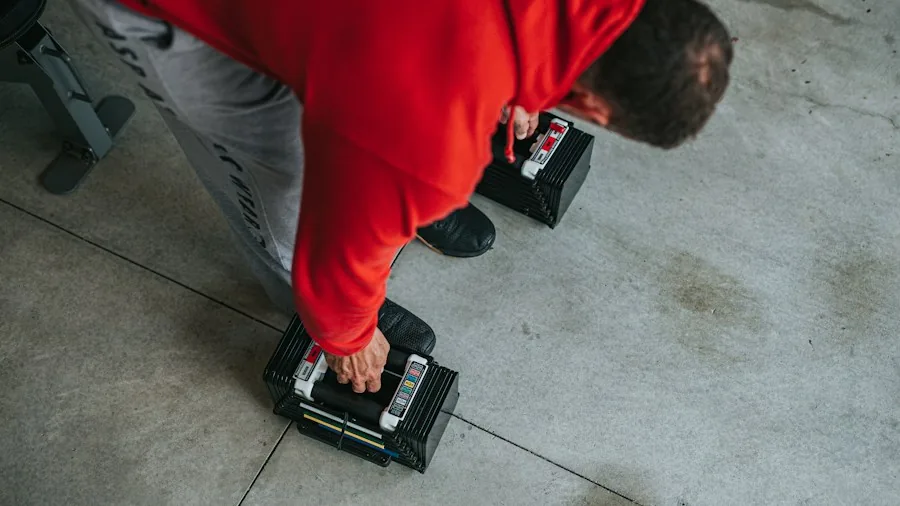
A balanced functional core workout should include 5 to 6 exercises completed for 2 to 3 sets, performed once or twice per week. Start with bodyweight versions, then add resistance through dumbbells, kettlebells, or resistance bands as movements become easier. By your final rep, you should feel challenged but not completely exhausted.
Key exercises include suitcase carries, which prepare your body for real-world carrying tasks while improving stability and grip strength. Halos using a dumbbell strengthen both your core and shoulders while enhancing mobility. Slam ball Russian twists build rotational power and protect your back when twisting or lifting. Overhead slams develop explosive power and upper-body stability. Half-kneeling woodchops target obliques and boost twisting strength.
Planks remain among the most effective exercises: plank knee-to-nose variations challenge your upper body and core stability simultaneously. Glute bridge marches target both your glutes and core, beneficial if you sit for extended periods. Kettlebell swings demand intense core stabilization and train functional power throughout your entire body. Forearm side planks target the obliques essential for rotation in daily life. When you’re ready to invest in quality gear, consider workout shorts designed for stability and movement.
Progressive Training and Proper Form
As exercises become easier, increase the difficulty by adding resistance while reducing reps slightly. For example, if 3 sets of 10 bodyweight reps feel manageable, try 2 or 3 sets of 8 reps using added weight. Every person’s body is different, so modify movements as needed to match your current fitness level and comfort.
Before beginning your workout, activate your core properly. A helpful cue involves imagining someone about to throw a basketball at your stomach: this mental image triggers effective abdominal bracing that prepares your core for the work ahead. This activation step ensures your core is fully engaged before moving into more demanding exercises.
Consistency and proper progression matter far more than intensity. By integrating functional core work into your training regimen, you’ll build the foundation necessary for safe, efficient movement throughout your life. Whether you’re picking up children, carrying luggage, or simply getting up and down from the floor, a stronger core makes all these activities safer and easier. Consider timing your workout around your meals to maximize energy and performance during these sessions.






Write Your Review
No reviews yet. Be the first to share your experience!