
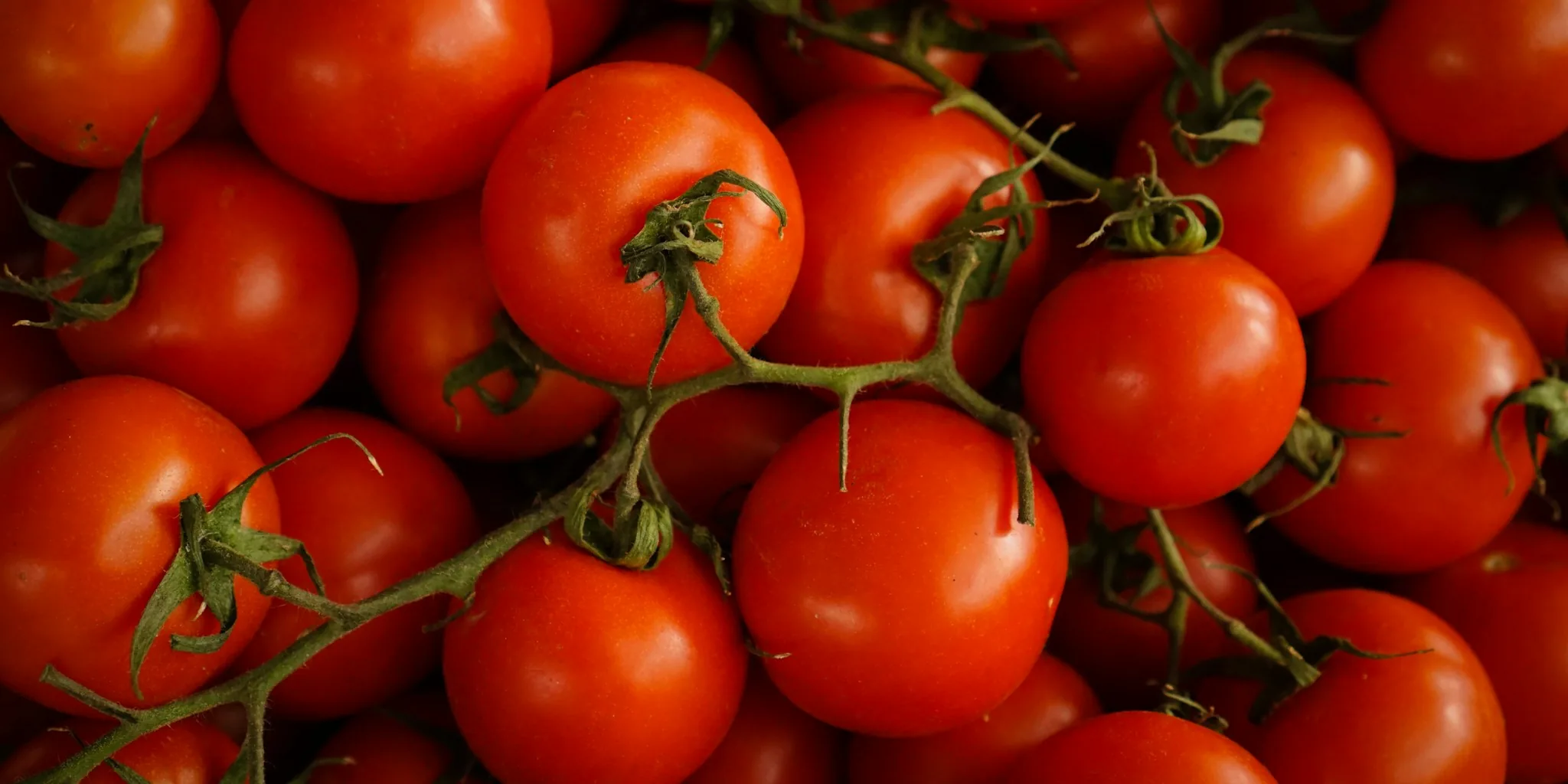

As fall weather sets in, many gardeners face the same problem: rows of green tomatoes on the vine that stubbornly refuse to ripen as temperatures drop. Rather than harvesting hard, flavorless fruit or letting them rot on the plant, there’s a proven technique that forces tomato plants into a survival mode, directing all their energy toward ripening existing fruit as quickly as possible. This method has been used by commercial growers for decades, and home gardeners can apply the same principle to salvage their late-season harvest.
How Tomato Plants React to Stress
Tomato plants possess a remarkably powerful survival instinct driven by their genetics. Research shows that tomato plants contain roughly 25% more genes than humans, with many of these genes arranged in pairs: one handles routine daily functions, while the other activates only under stress conditions. This genetic design means tomato plants adapt rapidly to environmental threats, and gardeners can deliberately trigger this response to accelerate ripening.
In late September, warm daytime temperatures convince tomato plants there’s still time to produce new flowers and fruit to ensure seed survival. However, cold nights create a bottleneck: existing green tomatoes ripen very slowly or stop ripening altogether. By artificially triggering the plant’s panic response, you can redirect all growth energy toward maturing fruit already on the vine.
Step One: Remove All New Growth
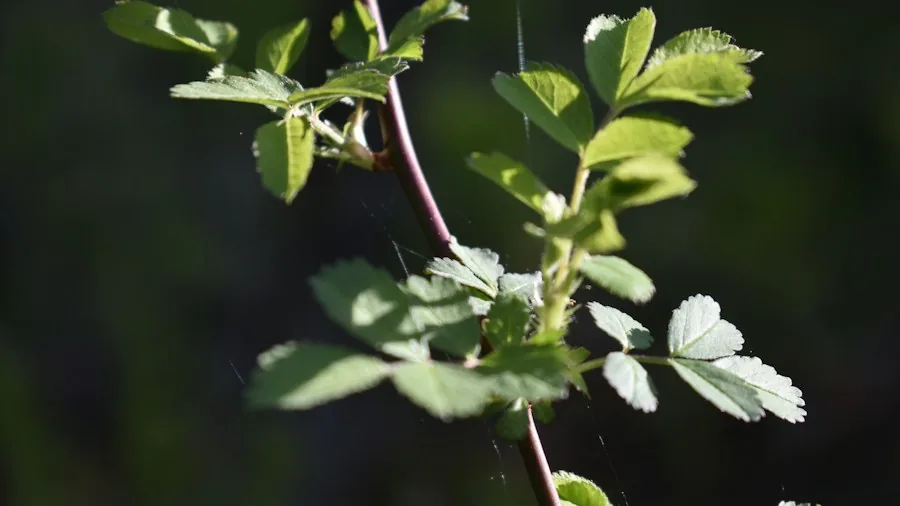
Begin by cutting off the main growing tip at the top of each tomato vine using sharp hand pruners. Remove any yellow flowers and newly formed tiny green tomatoes as well. Scan the plant regularly for new sucker shoots at leaf joints and remove them too. This first step prevents the plant from wasting precious resources on growth it won’t have time to mature before frost arrives.
Step Two: Strip Lower Leaves
The critical step that triggers the survival response is removing all leaves from the lower third of the plant, cutting stems flush against the main vine. This deliberate defoliation stresses the plant, convincing it that winter has arrived early and that it must prioritize ripening existing seeds immediately.
This aggressive pruning may feel harsh, but it mirrors standard commercial tomato-growing practices worldwide. The plant redirects energy away from leaf production and channels it entirely into fruit maturation. With fewer leaves to support, the plant uses minimal resources to keep itself alive while maximizing ripening hormone production.
Step Three: Cut Back Watering
Reduce water supply dramatically to intensify the plant’s stress response. For in-ground tomatoes, stop watering entirely since roots can still access soil moisture. For containerized plants, reduce watering to a bare minimum: perhaps a light watering once weekly if there’s no rain, or only if the main stem shows signs of wilting. This water restriction triggers the plant to release ethylene gas, the natural ripening hormone, in a last-ditch survival effort. This hormone surge sends a powerful signal to green fruit to accelerate seed maturation, dramatically speeding up ripening compared to normal conditions.
Step Four: Maximize Warmth and Sunlight
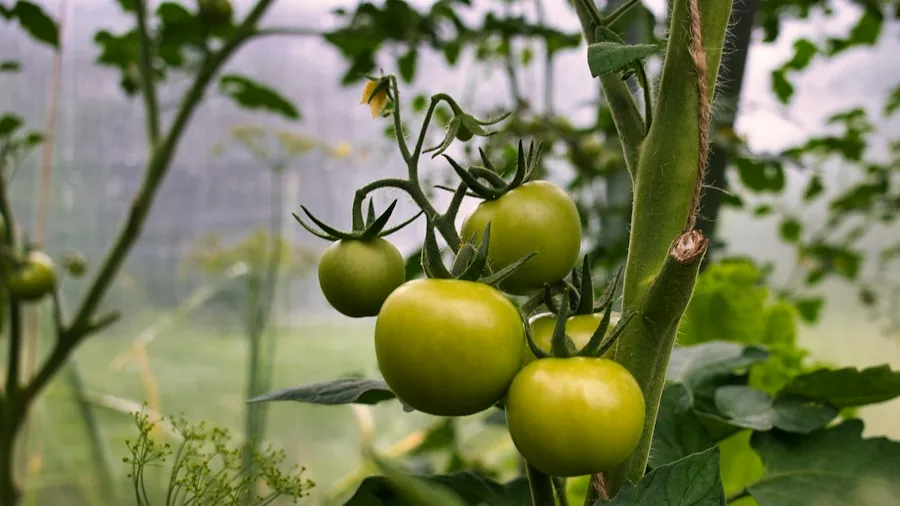
Remove any foliage that casts shade on fruit trusses higher on the vine, allowing maximum warmth from fall sunshine to reach the tomatoes directly. Remember that fruit ripens due to warmth, not light exposure alone.
Monitor air temperatures closely, since the ripening process stops entirely when temperatures drop below 50 degrees Fahrenheit. In colder zones, protect plants with breathable horticultural fleece on nights when frost is forecast, or move container plants into a greenhouse and close vents at dusk to trap warm air inside. Plants grown in terracotta pots offer good breathability, but ensure containers allow for adequate heat retention as evening temperatures decline.
What Buyers Should Know
If you implement this technique now, you’ll likely harvest ripe tomatoes within days rather than weeks. The speed of the transformation demonstrates how powerfully a plant responds to perceived survival threats. This approach means fewer green tomatoes cluttering windowsills through winter, more flavorful late-season harvest, and better seed preservation from your strongest plants.
Keep frost dates in mind for your region. Tomato plants cannot survive even light frost, and frozen fruit is ruined immediately. If weather forecasts predict frost sooner than expected, pick any remaining green tomatoes and ripen them indoors in a brown paper bag with a banana or inside a closed kitchen cupboard, where they’ll mature in about a week.
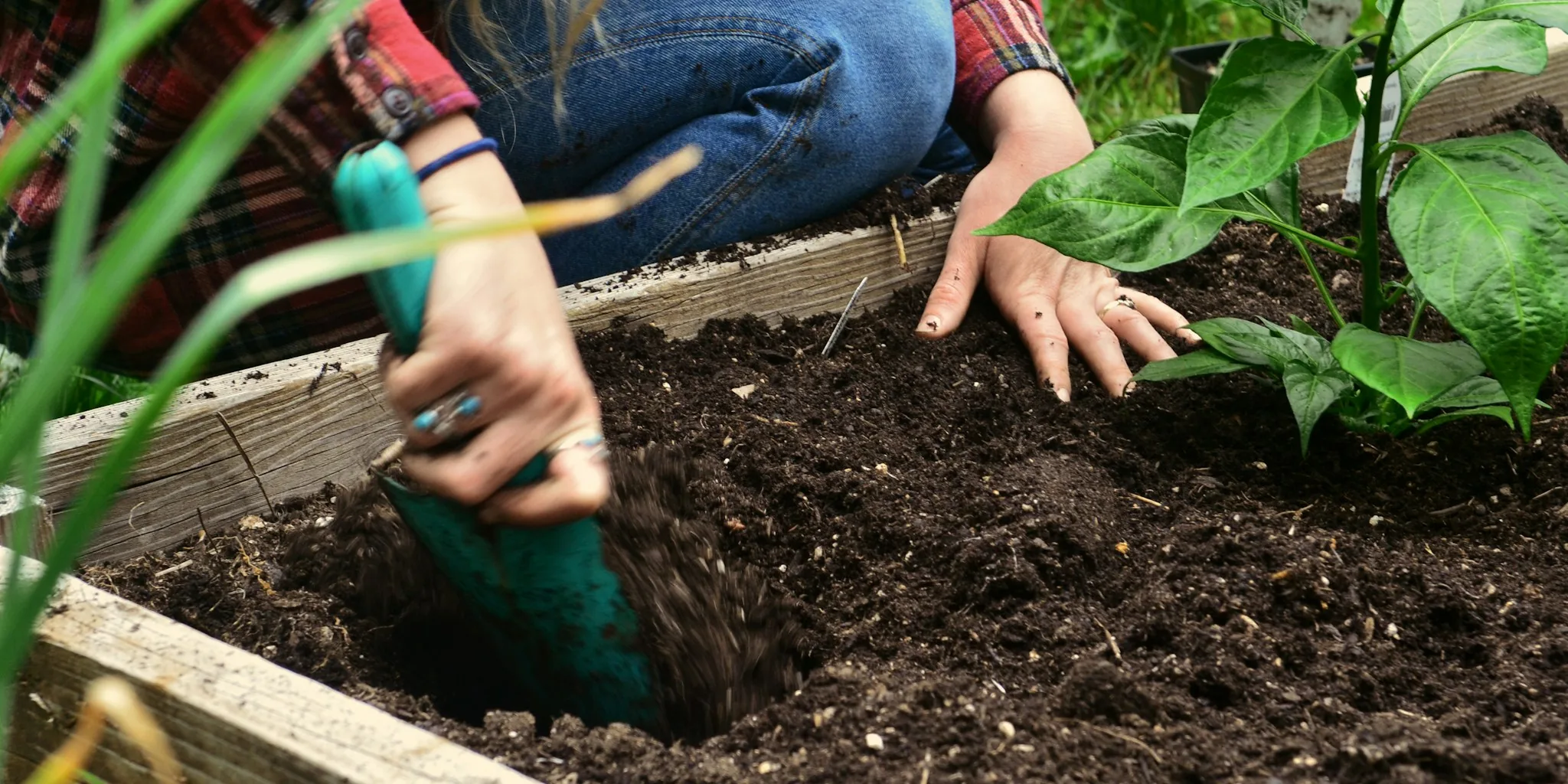
For gardeners managing multiple plants, understanding soil biology and plant health basics helps ensure your entire growing operation stays balanced throughout the season. Before the growing season ends, save seeds from your healthiest, best-producing plants for next year’s garden.





Write Your Review
No reviews yet. Be the first to share your experience!