

Why Mycorrhizal Fungi Matter for Fall Plant Success
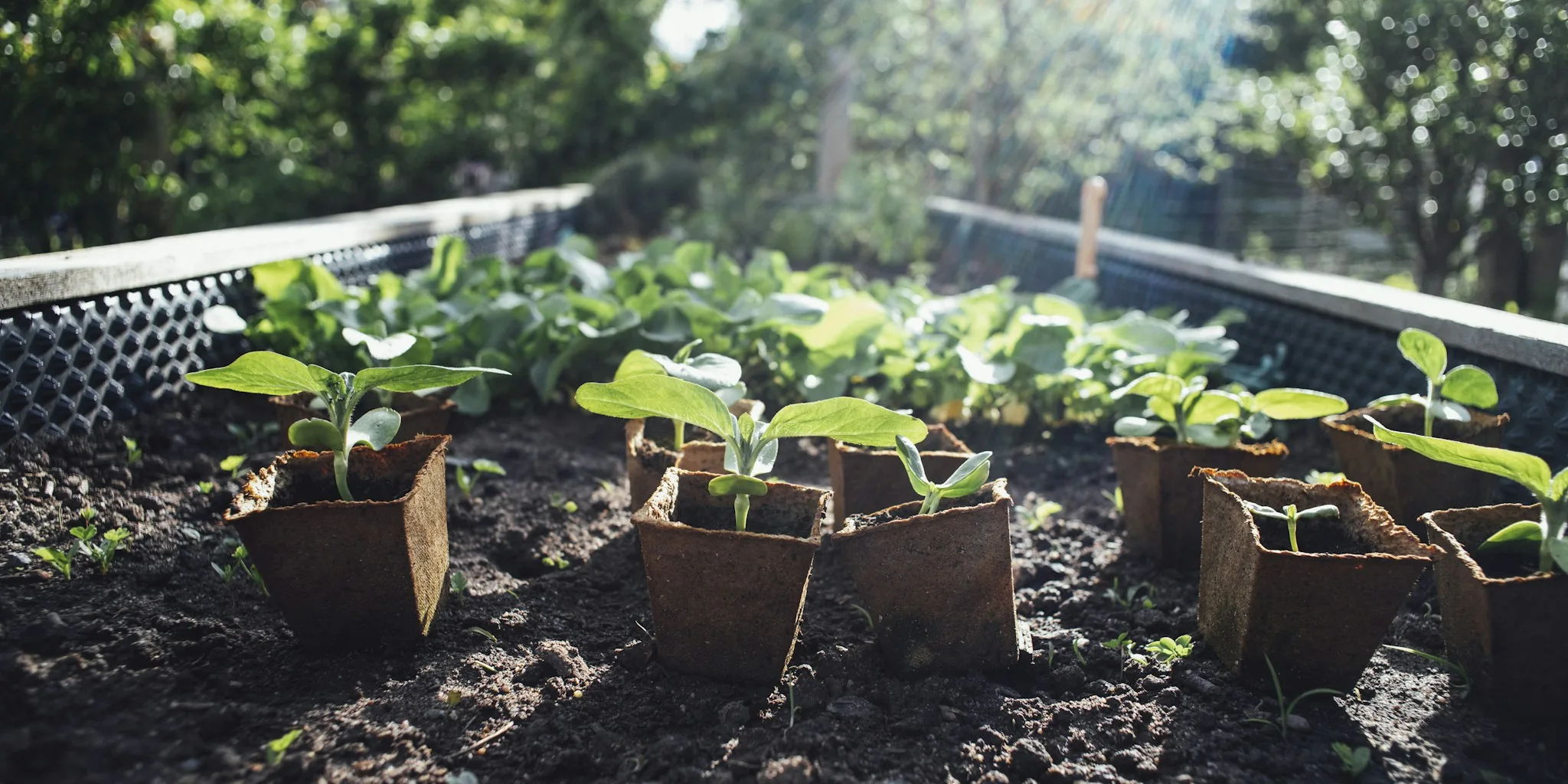
Fall is one of the best times to introduce mycorrhizal fungi to new plants in your garden. If you are adding shrubs or perennials to your landscape this season, a simple dusting of beneficial fungi at planting time can transform how well your new plants establish themselves before winter arrives. Understanding what these living organisms do and how to apply them correctly will help you get the most from your fall planting investment.
Understanding the Fungal Partnership
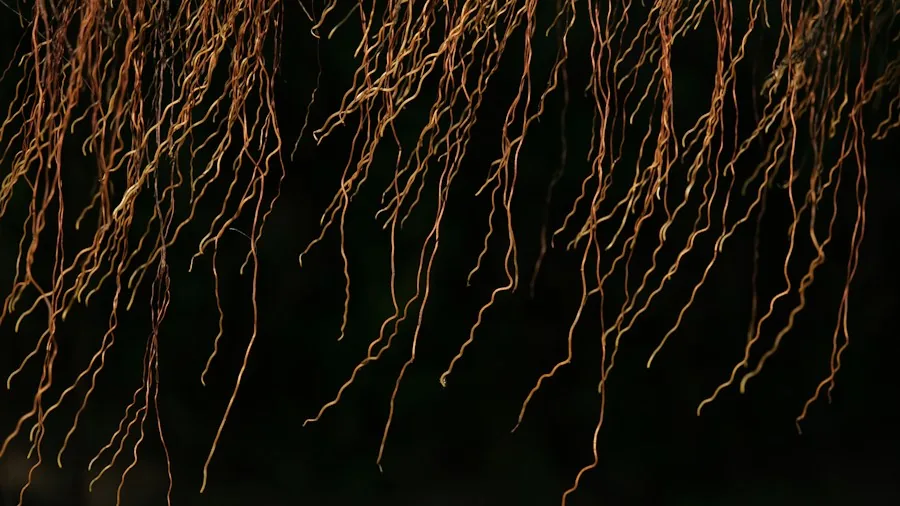
Mycorrhizal fungi form a mutually beneficial relationship with plant roots. The fungus sends out microscopic thread like filaments called hyphae that extend your plant’s root system into the surrounding soil. These threads mine the ground for moisture and essential minerals, especially phosphorus, which powers root growth and flower production. In exchange, the plant feeds the fungus sugars created through photosynthesis. Unlike traditional fertilizers, these are living partners that stay with your plant for its entire lifetime.
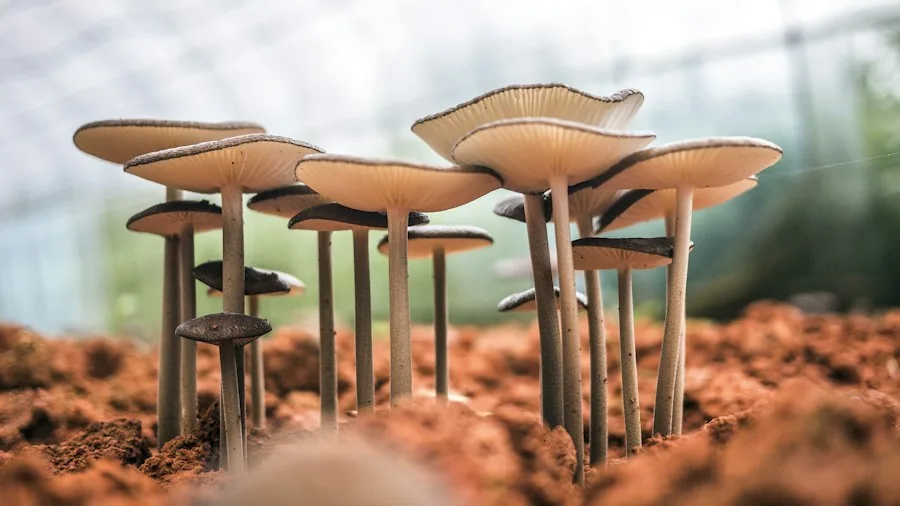
Retail mycorrhizal products typically contain two main types. Endo mycorrhizal fungi work with soft stemmed perennials, roses, fruit trees, and vegetables by penetrating inside root cells. Ecto mycorrhizal fungi form a protective outer sheath around the roots of woody plants like oaks, pines, birches, and beeches. For mixed plantings, a combined blend offers coverage across different plant families.
Application Timing and Technique Matter
The most critical mistake gardeners make is spreading fungal powder throughout their backfill soil. A fungal spore can only survive a few days in dirt before it starves if it cannot find a living root to attach to. When you dilute the powder across pounds of soil, most spores end up inches away from your rootball where they rot unused.
Instead, apply the fungi directly to the plant’s root surface. Dust the outside of the rootball where white root tips are visible, then add a concentrated pinch to the bottom of the planting hole before lowering the plant in. Damp roots hold the powder better, so moisten the rootball first. A light dusting is all you need. A single small bag handles dozens of fall plantings.
Soil Temperature is Your Key Success Factor
Fall soil retains summer warmth for weeks after air temperatures cool down. This warm soil is ideal for fungal colonization. While your plant’s leafy growth slows in fall, underground root growth continues vigorously as long as soil temperatures stay above roughly 40 degrees Fahrenheit. Introducing fungi in fall gives the microscopic network the entire winter to weave into your root system.
However, active fungal colonization slows significantly once soil temperatures drop below 59 degrees Fahrenheit. Cold soil delays how quickly the fungal partnership establishes. In mild regions, you can plant into November, but check your soil temperature first using a simple soil thermometer pushed 5 inches into the ground. If temperatures fall well below 50 degrees Fahrenheit, the fungus will sit dormant on the roots until spring soil warms up again.
Where Mycorrhizal Fungi Deliver the Most Value
Established garden beds with healthy native soil already carry some natural mycorrhizal networks. Store bought inoculants provide only incremental benefits in these spaces. The real difference shows up in disturbed soils and container plantings. New housing developments where topsoil was scraped away lose their fungal communities. Bagged potting mixes typically start with few or no beneficial fungi unless the label specifically says they were added.
For container grown plants, add a tablespoon of mycorrhizal fungi tucked directly against the roots at potting time. This accelerates root development and increases nutrient uptake before your plant ever goes into the ground. A few plant families do not form mycorrhizal partnerships. Members of the brassica family like cabbage, kale, and broccoli skip this relationship entirely, as do amaranth family vegetables like beets, chard, and spinach. Acid loving plants like blueberries, azaleas, and rhododendrons require specialized ericoid mycorrhizae that standard retail products do not contain.
What Fungi Cannot Do
Mycorrhizal inoculants are biological boosters, not magic wands. They help plants absorb nutrients already present in the soil, but they cannot replace missing nutrients or repair heavy waterlogged clay soils where fungi drown. A single correct application at planting time lasts the plant’s entire life. You do not need to reapply powder to established beds every spring. Surface applied spores rarely migrate deep enough to reach active root zones where they would be useful.
Avoid combining mycorrhizal fungi with high phosphorus transplant fertilizers, which trick plants into shutting down their fungal partnership. Similarly, avoid soil drenching with synthetic chemical fungicides right after planting, as these can destroy beneficial fungal networks instantly. If you must use fungicides, choose organic options and apply them sparingly.
Shopping for Quality Mycorrhizal Products
When buying mycorrhizal fungi, read the label carefully. Look for named species like Glomus intraradices or Glomus mosseae and a clear propagule count per gram, which proves the product contains viable living spores. Check for an explicit expiration date since living fungal spores gradually lose viability over time on store shelves. Proper storage is crucial. Keep your inoculant in a cool dark climate controlled space, never in a hot garage or uninsulated shed where heat or freezing temperatures kill the living spores.
Fall planting takes just 30 seconds of extra effort at each planting hole. Simply dust your damp rootball while the ground retains its warmth, water deeply, then let nature do the work. Whatever the fungal network does not finish establishing before winter, it will resume when spring soil warms, rewarding you with lush drought resilient growth next year.





Write Your Review
No reviews yet. Be the first to share your experience!