

Terracotta Pots for Plants: Which Ones Thrive and Which Ones Fail
If you are shopping for planters and focusing on looks alone, it is time to reconsider your strategy. Terracotta pots offer far more than aesthetic appeal: they create growing conditions that can transform how well your plants perform. Understanding which plants flourish in clay containers and which ones suffer is essential for anyone serious about container gardening success.
Why Terracotta Changes Everything
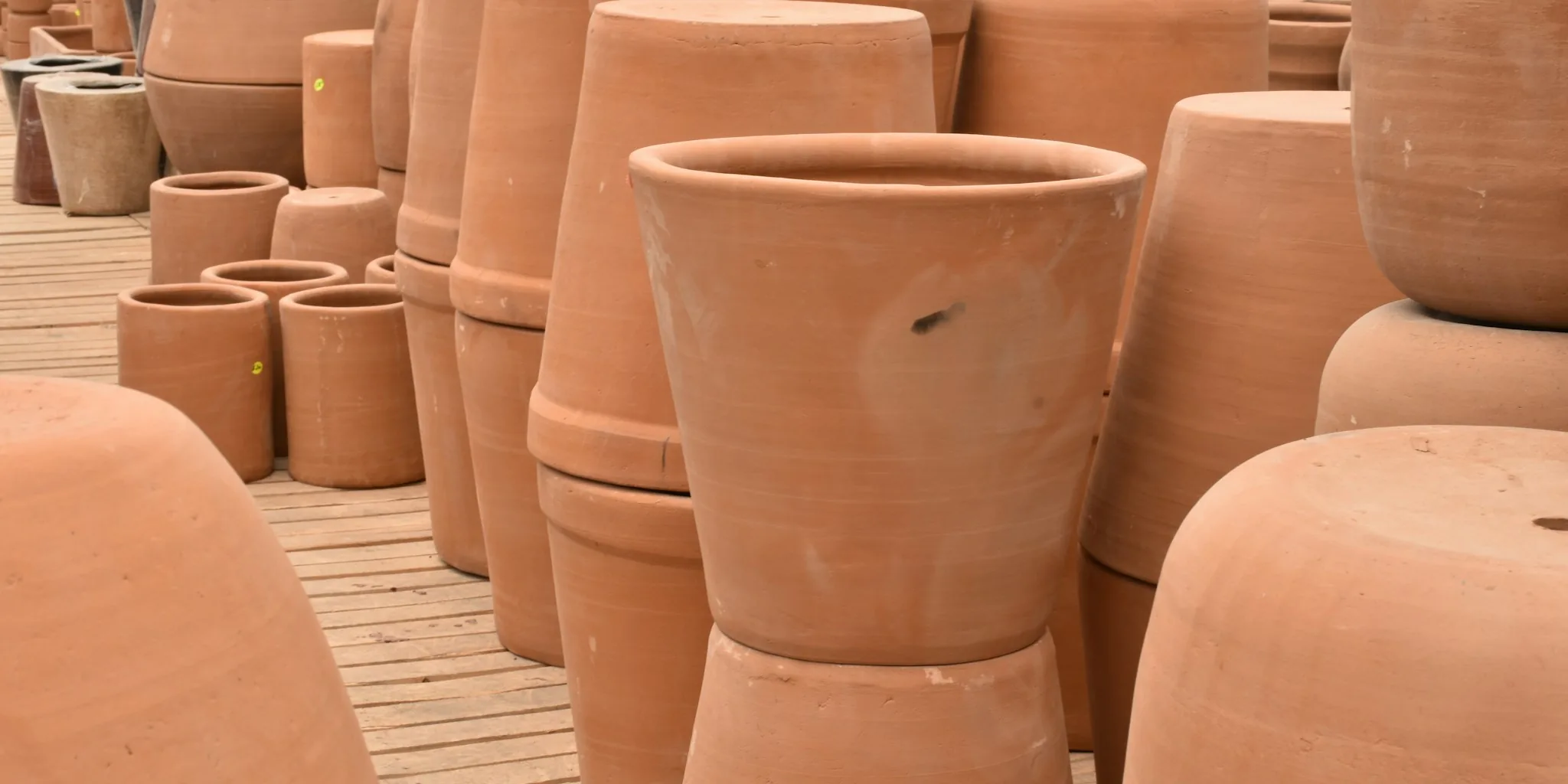
Terracotta clay is breathable, functioning like a membrane between the soil and the air. This porous material draws excess moisture outward, preventing the soggy conditions that kill so many potted plants. Unlike plastic, resin, or ceramic containers that trap moisture and restrict airflow, terracotta allows water to escape naturally.
But moisture control is only part of the story. Plants require oxygen in their roots just as much as they require it in their leaves. Most plants have respiring roots that continuously consume oxygen to survive. Terracotta lets air flow directly through its sides, delivering the oxygenation that roots crave. Plants that evolved in dry, fast-draining environments are especially sensitive to oxygen levels in the soil, making terracotta their ideal home.
Ten Plants That Thrive in Terracotta
Thyme is one of the best performers in clay pots. This Mediterranean herb loves the dry, fast-draining conditions that terracotta provides and suffers from root rot in soggy soil. The benefit extends to flavor: the quick-drying environment concentrates the herb’s essential oils, giving you tastier, more fragrant leaves for cooking.
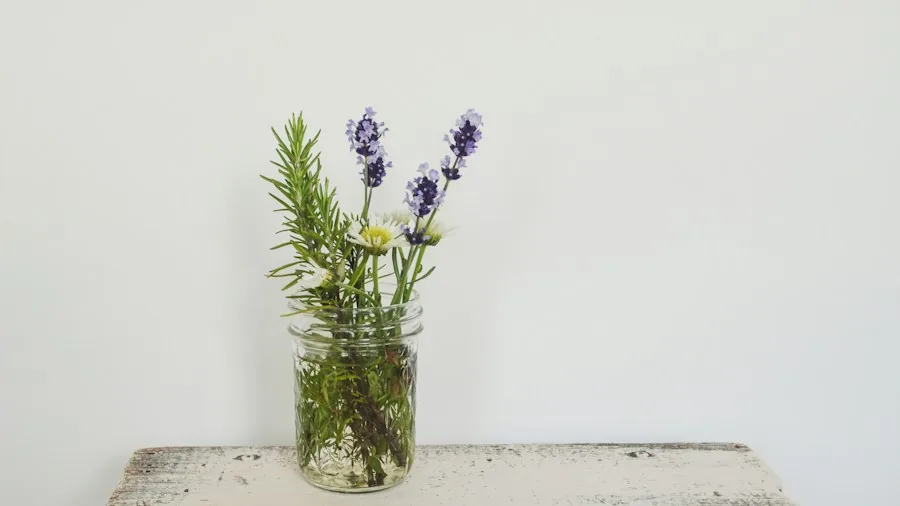
Lavender is another Mediterranean native that thrives when moisture drains quickly. Modern hybrids have been bred to resist root rot better than older varieties, but all lavenders perform better in well-draining conditions. Adding coarse sand to your potting soil and using a gravel mulch will enhance the benefits of the porous container.
Hardy succulents like Sempervivum, Sedum, and Delosperma are low-maintenance plants that become even easier to care for in terracotta. These sun-loving species need fast-draining soil and benefit greatly from the moisture control a clay pot delivers. Winter dampness, not cold, is what typically kills these drought-adapted plants, making terracotta protection invaluable.
Rosemary evolved on rocky, dry Mediterranean hillsides and naturally thrives in the aerated, well-drained conditions terracotta provides. Good drainage is especially critical for rosemary survival in wetter zones where soggy roots lead to quick decline. The visual pairing of cool-blue rosemary blooms with warm terracotta tones is also a gardening bonus.
Bird of paradise plants have exceptionally strong, fleshy roots that consume high levels of oxygen. The breathability of terracotta is essential for these tropical beauties. The weight of a clay pot also provides stability for these plants’ substantial root systems and large sail-like leaves. Growing them in containers also simplifies overwintering indoors in colder zones.
Agapanthus, sometimes called African lily or lily of the Nile, has a hefty root system that demands oxygenated soil. While these flowering powerhouses need regular watering during summer, they appreciate the fast drainage that terracotta provides year-round. Choose straight-sided or outward-tapering designs so you can easily remove the plant when repotting time arrives.
Pelargoniums, often called tender geraniums, need fast drainage and good airflow to prevent root failure. Growing container plants in terracotta makes it simple to bring tender varieties indoors for winter, where they serve as attractive houseplants.
Cacti require even more airflow and are highly sensitive to soggy soil that excludes oxygen from their roots. Waterlogged conditions quickly cause irreversible root damage in cacti, making terracotta essential. Elevating the pot slightly on risers ensures the drainage hole stays clear.
Santolina, or lavender cotton, produces cushions of fragrant foliage and yellow flowers. This Mediterranean native actually performs better under mild moisture stress, so terracotta’s fluctuating moisture levels actively support its growth. Adding perlite to the soil further improves drainage.
Rockrose brings beautiful rose-like blooms and demands excellent drainage and high oxygen levels. The weight of a terracotta pot also prevents even compact varieties from being blown over by wind, offering both physiological and practical benefits.
Plants to Keep Out of Terracotta
Not all plants are suited to terracotta containers. Moisture-loving plants like hydrangeas and hostas prefer consistent soil moisture, which terracotta works against. Similarly, acid-loving plants such as camellias, azaleas, and rhododendrons suffer because terracotta’s alkaline clay gradually shifts the soil pH over time. Understanding your plant’s preferences before selecting a container prevents disappointment and plant death.
Choosing and Using Your Terracotta Pots
Check whether your terracotta needs to be frost-proof, especially if you live in a cold climate. Frost-proof pots are fired at higher temperatures and resist cracking when water freezes inside them. Tender plants that move indoors for winter do not require frost-proof containers, so you can save money on those.
Never select a glazed terracotta pot if you are choosing based on breathability. The hard glaze blocks both air and moisture movement, defeating the entire purpose. Place pots on risers through fall and winter to ensure drainage holes stay clear and water does not pool beneath the container.
By pairing the right plants with terracotta containers before fall rains arrive, you set up your garden for winter survival and spring abundance. Proper container selection ensures healthier plants and more reliable blooms year after year.


Write Your Review
No reviews yet. Be the first to share your experience!