
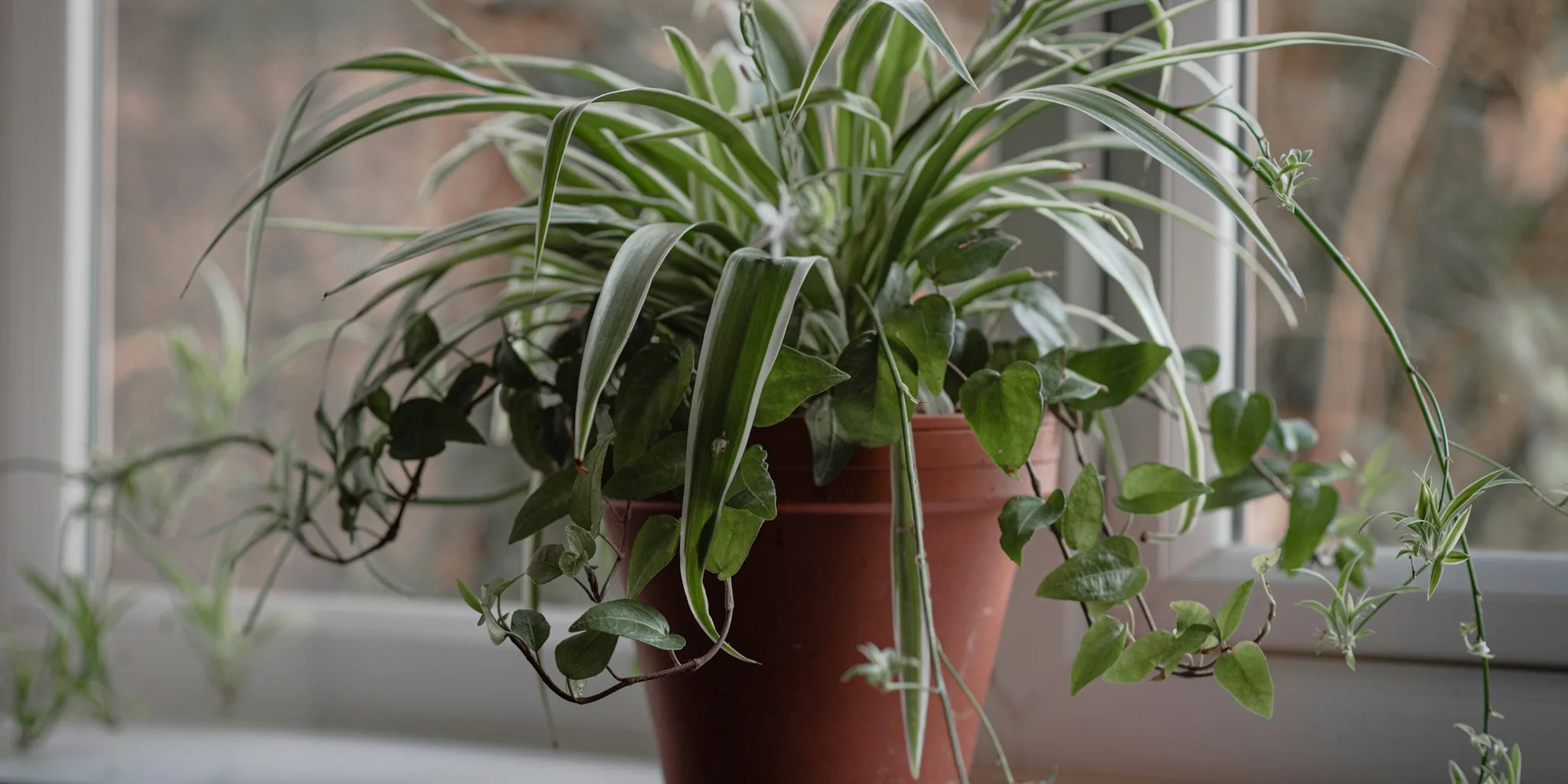

As fall approaches and fungus gnats return to plague indoor gardeners, a growing number of houseplant enthusiasts are ditching sticky traps and chemical sprays in favor of a more elegant solution: the carnivorous butterwort plant. This decorative houseplant has earned recognition for its natural ability to trap and eliminate adult fungus gnats, offering a dual benefit of pest control and visual appeal on any windowsill.
Why Butterworts Are Becoming a Go-To Pest Solution
Butterworts, scientifically known as Pinguicula, are carnivorous plants that produce a sticky, dew-like coating on their leaves. This natural adhesive serves as a living flypaper, and fungus gnats are no match for it. Unlike conventional yellow sticky traps purchased online, butterworts combine pest management with horticultural beauty, making them an increasingly popular choice for indoor gardeners battling the seasonal surge of sciarid flies that breed in houseplant soil.
These compact plants grow in neat rosettes with silvery, sparkling leaves and produce delicate flowers on slender stalks during spring or summer. Many gardeners prefer butterworts to standard pest control methods because they eliminate the need for toxic sprays while adding genuine aesthetic value to a room.
Mexican Butterworts Outperform Other Varieties
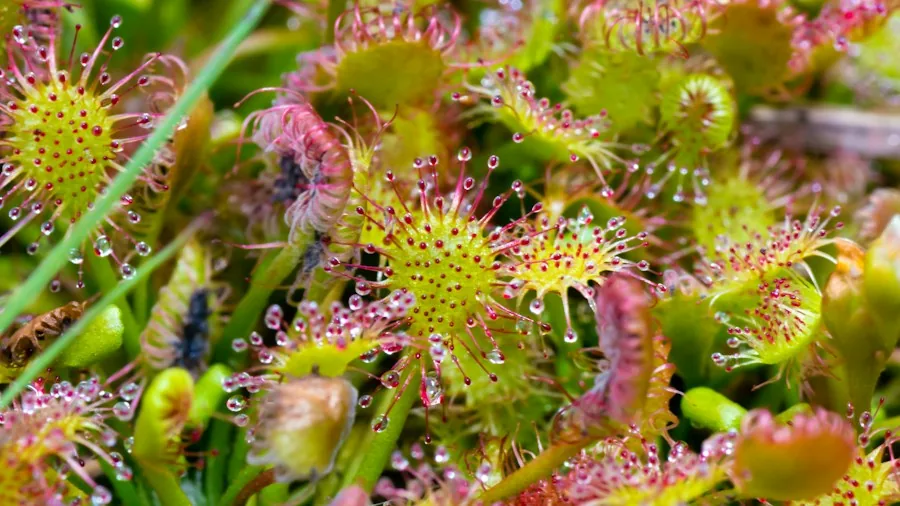
While all butterworts are carnivorous, not all varieties are equally effective at catching fungus gnats. Mexican butterworts, also called tropical butterworts, have emerged as the superior choice for serious pest control. These plants develop wide, flat leaves arranged in rosettes that provide ample horizontal landing space for gnats compared to North American varieties.
Two standout Mexican butterwort species gaining traction with buyers are Pinguicula cyclosecta, known as the purple-leaf butterwort for its lavender-toned foliage and deep violet-purple flowers, and Pinguicula esseriana, which features pale green leaves with pink flushing and lilac-hued blooms. Both species grow to approximately 4 inches in height and width, making them ideal for compact container arrangements.
Mexican butterworts also prove significantly more resilient than their North American counterparts. While North American varieties demand high humidity and frequently succumb to rot, Mexican butterworts thrive on a standard windowsill with minimal maintenance, making them accessible to gardeners of all skill levels.
Care Requirements for Success
Growing a healthy Mexican butterwort requires attention to three key factors. First, use only specialized carnivorous plant potting soil. Standard potting soil contains too many nutrients and will likely kill the plant, since butterworts evolved to extract nourishment from trapped insects rather than rich soil.
Second, irrigation demands rainwater or distilled water exclusively. Tap water contains minerals that accumulate in soil and damage the plant. The best approach involves placing the pot in a shallow saucer kept constantly topped with water, allowing the plant to absorb only the moisture it needs through capillary action.
Third, provide the right light conditions. Mexican butterworts need gentle morning or evening sunlight but should be protected from intense midday rays that can scorch leaves. A spot on a warm, north-facing or east-facing windowsill works well, or you can use an affordable full-spectrum LED grow light to supplement inadequate natural light in shadier rooms.
Important Limitations and Complementary Strategies

Buyers should understand that butterworts address only part of the fungus gnat problem. These plants trap and consume adult flies, but for every visible gnat flying around, hundreds of larvae are developing in houseplant soil. Breaking the pest lifecycle requires a two-pronged approach.
In addition to growing a butterwort, consider applying natural soil drenches formulated to eliminate larvae or sprinkling cinnamon on the soil surface, which leverages its antifungal properties to disrupt the maggots’ food source. This combination strategy yields the most effective results.
Seasonal Performance and Beyond
Mexican butterworts may enter dormancy during winter, though they’re less likely to do so than North American species if kept adequately warm. During dormancy, rosettes shrink dramatically and leaves lose their stickiness, but this poses no concern. Simply reduce watering temporarily and resume normal care when growth resumes in spring.
Since fungus gnats peak in September through October and again in April through May, dormancy timing actually works in your favor. The plant’s pest-control performance aligns perfectly with peak infestation seasons.
Beyond fungus gnats, butterworts also excel at trapping whiteflies, those destructive sap-sucking insects commonly found on houseplant undersides. Many greenhouse operators now cultivate butterworts specifically for whitefly management, though shade protection remains important in bright growing environments.
Mexican butterworts propagate easily from individual leaf cuttings, allowing gardeners to expand their carnivorous collection across multiple rooms and increase household protection from seasonal pests. For anyone tired of conventional pest control products, this beautiful living alternative delivers genuine results.


Write Your Review
No reviews yet. Be the first to share your experience!