
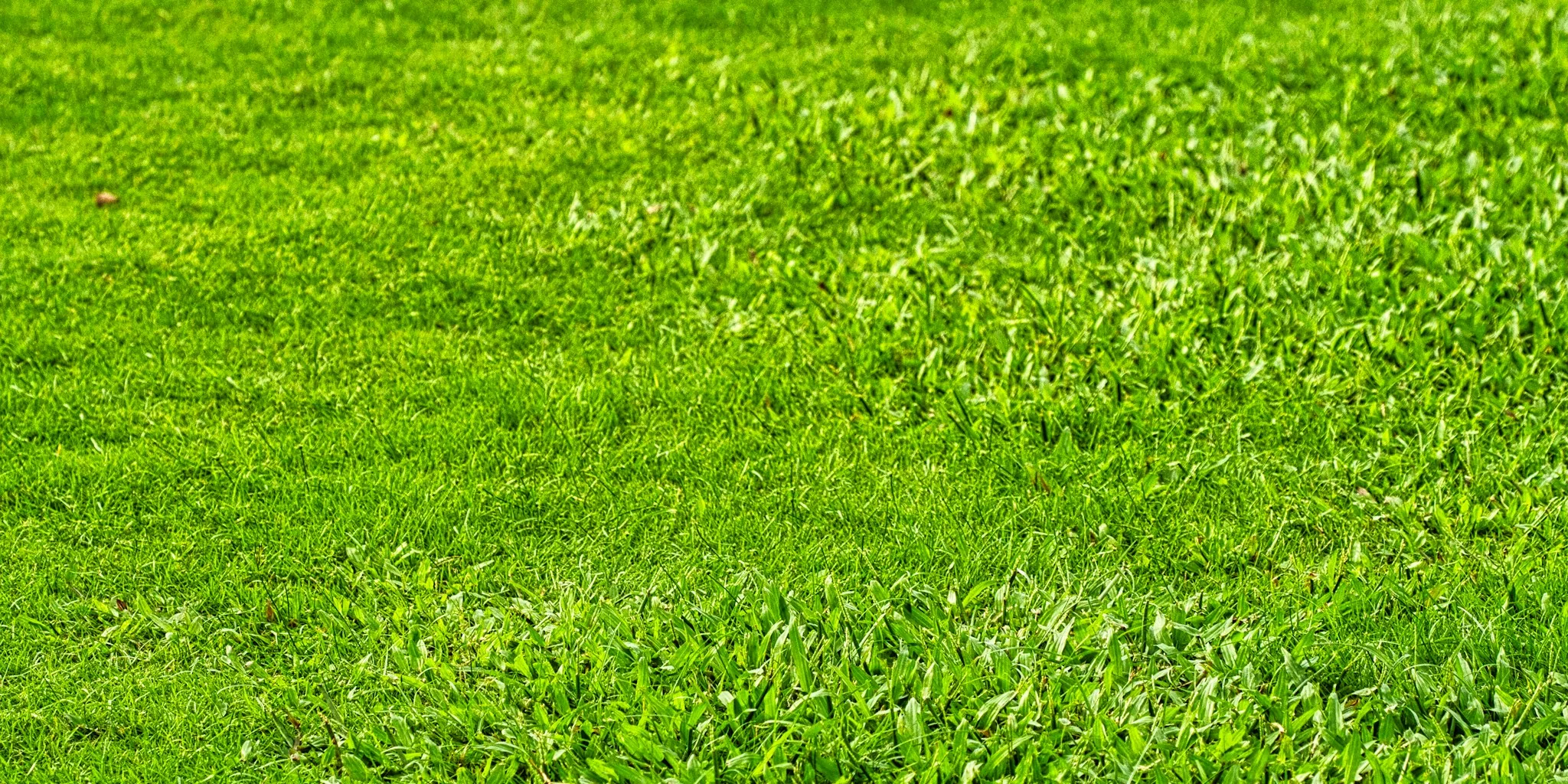

As summer fades and October arrives, homeowners across the country face a critical window for lawn maintenance that most overlook. If your grass suffered from extreme heat, drought, or heavy foot traffic over the past months, fall lawn aeration may be the single most important step you take this year. Unlike fertilizing alone, aeration directly tackles the root cause of poor grass growth: compacted soil that prevents water, oxygen, and nutrients from reaching where they matter most.
Why October Is the Perfect Time to Aerate
After a punishing summer, soil beneath most lawns has become severely compacted. This hardened layer acts as a barrier, making it nearly impossible for grass roots to penetrate deeply and access the moisture and air they desperately need. The physics is straightforward: compressed soil suffocates root systems by cutting off oxygen flow, a process critical to plant survival called cellular respiration.
October timing is ideal because cooling air signals grass to shift energy from blade growth to root development underground, while soil remains warm enough to support vigorous root expansion. Regular fall rainfall further aids this process by keeping soil workable and flushing fresh oxygen into newly created air pockets. By aerating now, you create ideal conditions for grass to build a stronger, deeper root system before winter arrives, resulting in a more drought-resistant and visually impressive lawn come spring.
How Aeration Works and Why It Matters
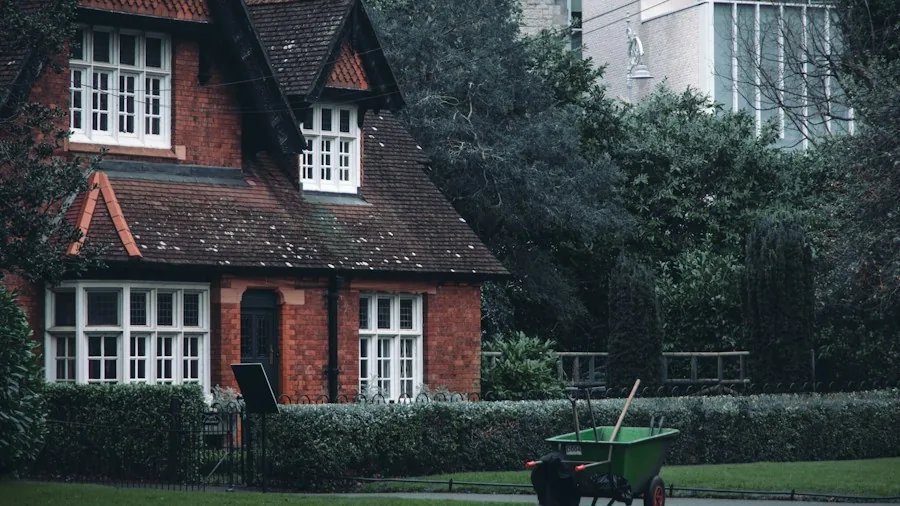
A rotary lawn aerator is a straightforward tool: a cylinder covered in sharp steel spikes, pushed across your lawn with a long handle. As you move it, the spinning tines punch hundreds of tiny holes into the ground, shattering compaction and creating channels for air, water, and nutrients to flow downward. The process takes roughly ten minutes for an average residential lawn and delivers outsized results.
The benefits extend beyond root growth alone. Compacted lawns drain poorly and become waterlogged during fall and winter months, causing roots to drown in standing water. Aeration solves this drainage problem. Additionally, if you plan to overseed bare patches, the punched holes provide perfect seedbeds, with better soil contact leading to superior germination rates and natural bird protection.
Choosing the Right Lawn Aerator for Your Needs
Three main types of rotary aerators address different lawn conditions and budgets.
Standard Rotary Push Tine Aerator
Best suited for homeowners with average-sized lawns and naturally loose, loamy soil, the standard rotary aerator features simple rows of steel tines on a rotating drum. These budget-friendly machines accomplish the job quickly without requiring premium investment. They work well for lawns that have not experienced excessive compaction.
Spiral Rotary Push Tine Aerator
If your lawn is larger or you prefer easier operation, spiral-tined designs reduce the physical effort required to push the machine. The spiral arrangement helps the aerator keep rolling smoothly if a tine strikes a stone, minimizing jarring and hand strain. Many spiral aerators offer the option to add weight by filling the cylinder with sand or pebbles, which helps penetrate harder soil without extra muscular effort. This type appeals to those with wrist strength limitations or rocky terrain.
Rotary Spike Blade Lawn Aerator
For severely compacted clay or silty soils, particularly in new construction homes where turf sits atop heavily compacted fill, spike blade aerators deliver superior performance. The sharp, star-shaped blades slice multiple breathing channels into the ground rather than just punching holes. These machines excel in lawns filled with thatch buildup and provide better seed-to-soil contact for overseeding projects. Designs often include platforms for adding weight via bricks, increasing penetration power.
Preparing and Executing Your Aeration
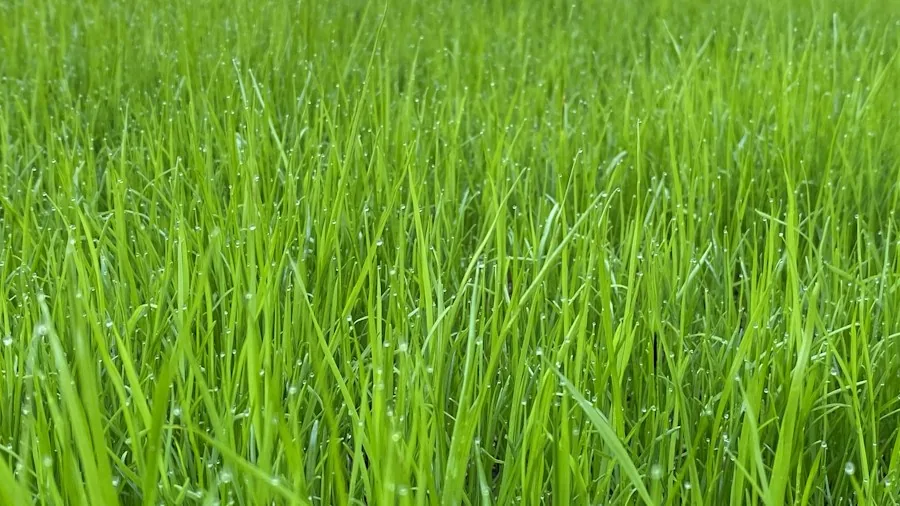
Begin by mowing your lawn to its normal height, no shorter. One or two days before aerating, perform a simple soil test: push a screwdriver into the ground. If it slides in smoothly, the soil is ready. If it meets resistance, water thoroughly or wait for rain, then delay aeration by at least 24 hours to avoid damage to saturated soil.
Push your rotary aerator across the entire lawn in systematic passes. Pay special attention to high-traffic areas like pathways, gates, and spaces near clotheslines where compaction runs deepest. These spots benefit from two passes with the aerator. Mow after aeration if needed, then overseed or apply fertilizer to capitalize on the newly aerated soil’s receptiveness.
Regional Considerations
In hot USDA zones 8-11, hard-baked summer soil becomes nearly impenetrable. Water your lawn extra well one to two days before aerating to allow tines to penetrate without damage. In cold zones 3-6, aerate as early in October as possible so roots establish before the first hard frost. Avoid aerating over waterlogged soil, which causes further compaction through foot traffic. Wait for soil that is moist but not muddy.
You can safely aerate every fall to counteract summer compaction. If you notice pooling water in specific spots during fall or winter, aerate those zones again in spring. Consider combining fall aeration with other seasonal lawn care tasks for maximum results. This single task, completed in a weekend afternoon, transforms soil structure and sets the stage for the lush, green lawn that will make neighbors envious next season.





Write Your Review
No reviews yet. Be the first to share your experience!