
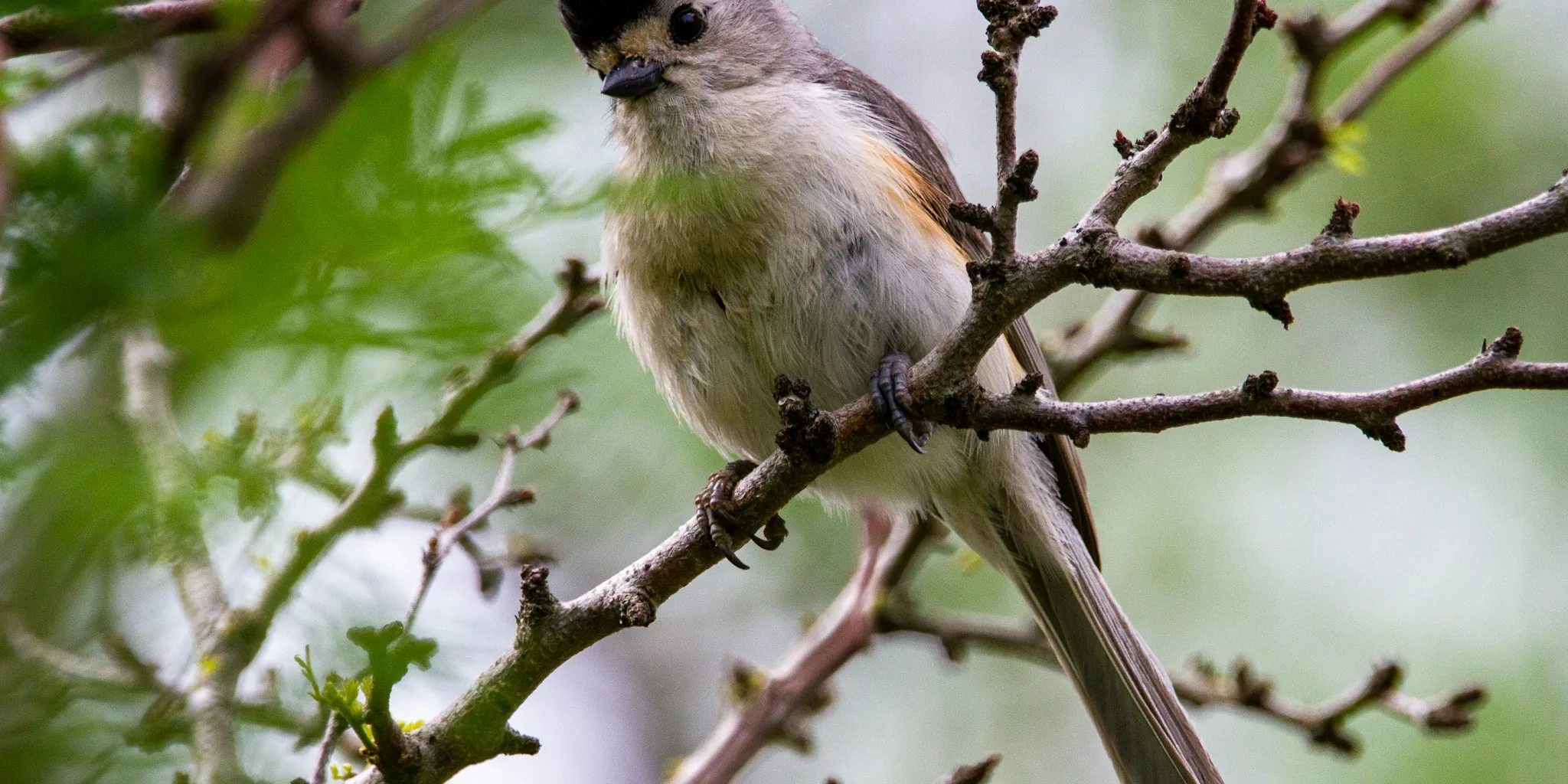

If you want to see your state bird make a regular appearance in your yard, the secret lies in choosing the right plants. According to recent gardening guidance, native plants that provide food, shelter, and nesting opportunities are far more effective at attracting state birds than ornamental varieties alone. This shift in thinking can transform your outdoor space into a genuine bird sanctuary while supporting local ecosystems.
Why Native Plants Matter More Than You Think
Most homeowners assume that adding bird feeders is enough to attract wildlife, but the truth is more nuanced. State birds have specific habitat needs that go well beyond seed dispensers. Native plants serve three critical functions: they produce the seeds, berries, and insects that birds actually eat; they provide dense cover for shelter from predators and weather; and they offer suitable locations for nesting and raising young. By understanding what your state bird requires, you can design a landscape that feels like home to your region’s official feathered resident.
The beauty of this approach is that it works whether you have a sprawling property or a modest urban garden. The key is selecting species native to your particular area rather than assuming one plant will work statewide.
Matching Plants to Your Region’s Official Bird
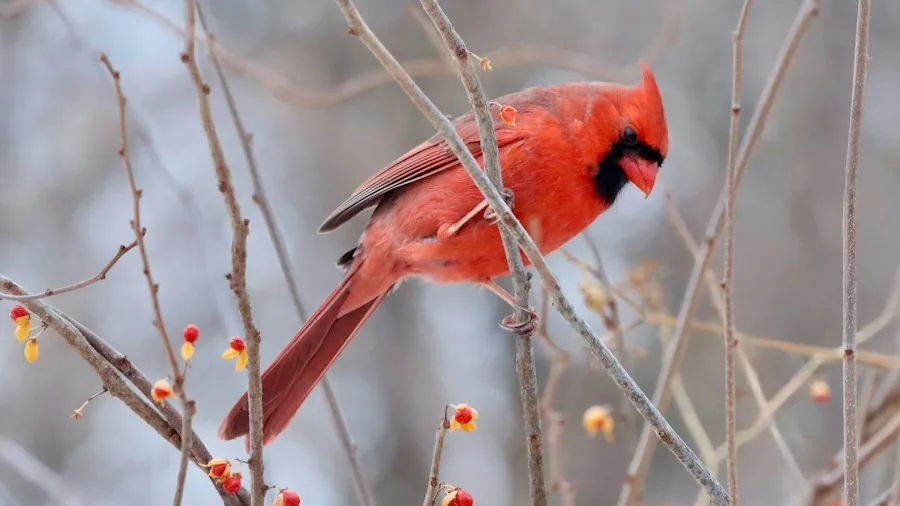
Different state birds have vastly different preferences. Cardinals, for instance, thrive in yards planted with hawthorn, dogwood, serviceberry, and hackberry. These native fruiting plants attract the seven states where cardinals serve as the official bird. Meanwhile, ground-feeding birds like California quail prefer dense, low-growing habitat created by combining ornamental grasses with low-growing shrubs and groundcover.
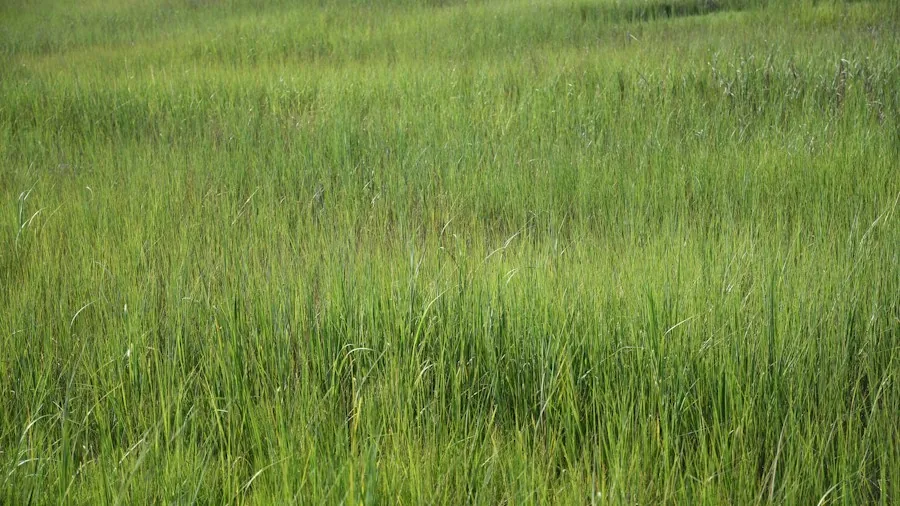
For shoppers in prairie states like Kansas, Montana, and Nebraska, where the western meadowlark is the state bird, the approach shifts dramatically. Instead of traditional flower beds, these birds appreciate native prairie grasses that produce seeds and support insect populations. Allowing seed heads to remain standing well into fall provides essential nutrition during migration season.
Some states face unique challenges. Louisiana’s state bird is the brown pelican, which requires coastal or wetland habitat restoration rather than backyard plants. Similarly, Minnesota’s common loon depends on healthy lakes and shorelines far more than any residential garden could provide. In these cases, the gardening strategy pivots toward ecosystem support rather than direct attraction.
The Unexpected Benefits of a Less Manicured Garden
One of the most surprising findings is that birds often prefer gardens that look less like golf courses. Ruffed grouse in Pennsylvania, Carolina wrens in South Carolina, and ring-necked pheasants in South Dakota all appreciate slightly wild, brushy habitat. Dense shrubs, fallen branches, and natural leaf litter aren’t signs of neglect; they’re valuable resources. These spaces provide insects for hunting, protective cover, and optimal nesting sites.
Carolina wrens, for example, love the kind of rough-around-the-edges corners most gardeners try to eliminate. Thick vegetation offers perfect foraging opportunities and shelter, making your most overgrown patch potentially your most bird-friendly feature. This philosophy extends to leaving some leaf litter and fallen branches in place rather than clearing every inch of your property.
Plant Selection by Bird Type
Insect-eating birds require a different gardening strategy than seed-eaters. Oklahoma’s scissor-tailed flycatcher thrives when native trees and shrubs support robust insect populations. Creating a mixture of plants at varying heights, rather than uniform plantings, generates far more insect life and provides hunting habitat for these aerial hunters.
Fruit-loving birds like the Baltimore oriole seek out native fruiting trees and shrubs with dark-colored ripe berries. Raspberries, crabapples, and trumpet vines attract these sweet-toothed visitors far more reliably than manicured landscapes. For those interested in specific gardening techniques, exploring resources like fast growing container plants for season long color can help fill gaps in your landscape strategy.
Seed-producing plants work especially well for American goldfinches and other finch species. Native thistles, sunflowers, and asters provide nearly all their nutritional needs, though these birds also use shrubs and trees for nesting. Rather than deadheading spent flowers immediately after blooming, leaving seed heads intact extends the food supply well into winter.
Getting Started With Your State Bird Garden
Begin by identifying your state bird and researching its habitat preferences. Next, determine which native plants thrive in your specific region, not just your state generally. A plant suitable for coastal South Carolina differs entirely from one that works in the state’s piedmont. Consult local native plant nurseries or your state’s extension service for location-specific recommendations.
Consider layering your planting with trees, shrubs, and lower-growing vegetation to create the kind of diverse habitat birds actually need. Instead of scattered ornamental plants in a lawn, this approach builds a small ecosystem right in your yard. Unusual bulbs to plant in September can also add visual interest to your native plantings while supporting pollinators.
For shoppers ready to transform their yards, the message is clear: stop fighting your natural landscape and start working with it. By choosing native plants suited to your region and your state bird’s specific needs, you’ll create a thriving habitat that benefits local wildlife while requiring less water and maintenance than traditional ornamental gardens. Your state bird may finally visit not because of what you feed it, but because you’ve created the home it was looking for all along.




Write Your Review
No reviews yet. Be the first to share your experience!