

A new live longevity fitness competition held in New York City earlier this fall is changing how people think about fitness and aging. The Super Age Games, billed as the world’s first live longevity fitness competition, brought together over a thousand athletes to test eight scientifically-backed markers that predict how long you’ll live well. For fitness shoppers and gym enthusiasts, this event offers valuable insights into what comprehensive fitness should actually include.
What the Eight Longevity Tests Measure
The games centered around eight trials designed to assess predictors of lifespan and healthspan. These included grip strength, aerobic capacity, agility, balance, functional strength, memory, and emotional intelligence. Each test was tailored to measure different aspects of physical and cognitive capability. Participants received personalized reports showing their strengths, areas for improvement, and longevity-focused training recommendations based on research from the Buck Institute for Research on Aging.
What made this event unique was that every participant, regardless of placement, received comprehensive feedback and a medal. Winners were crowned in overall competition, team categories, and age-group divisions, but the real value came from the individual data analysis provided to all attendees.
Key Findings from the Competition
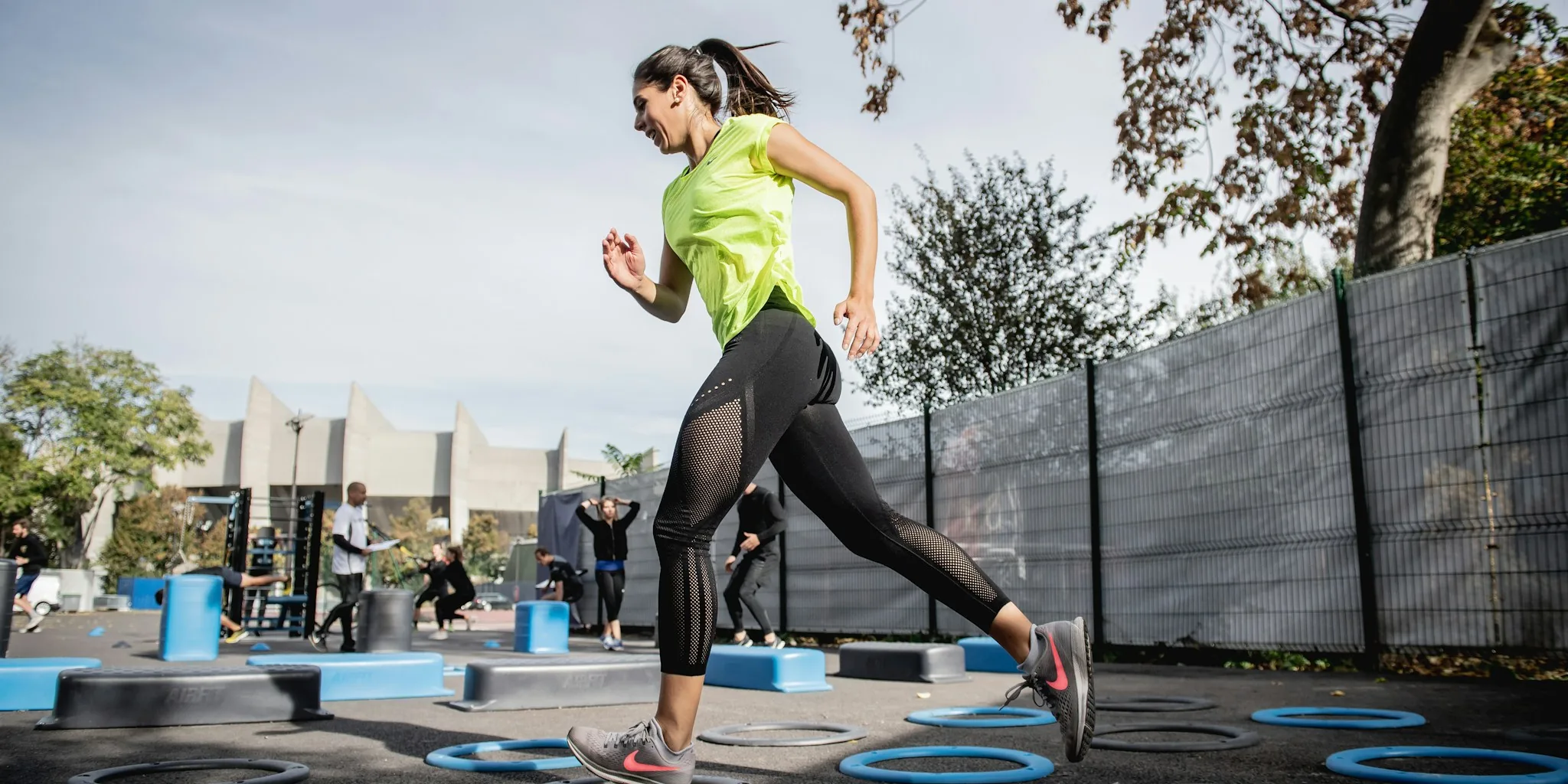
Two participants who attended a practice session discovered that their regular fitness routines, despite including several days per week of strength training and cardio, were missing critical components. The agility test, which required jumping over and crawling under obstacles, revealed that most gym-goers skip directional hops and lateral movement training. Similarly, balance and stability work like single-leg exercises were underemphasized in typical workouts.
The memory and emotional intelligence tests highlighted a surprising challenge: mental fatigue compounds physical fatigue in ways many fitness shoppers overlook. By the time participants reached cognitive assessments late in the competition, their ability to focus and react had diminished significantly from the earlier physical challenges. This suggests that real fitness training should alternate between physical and mental demands rather than isolating them.
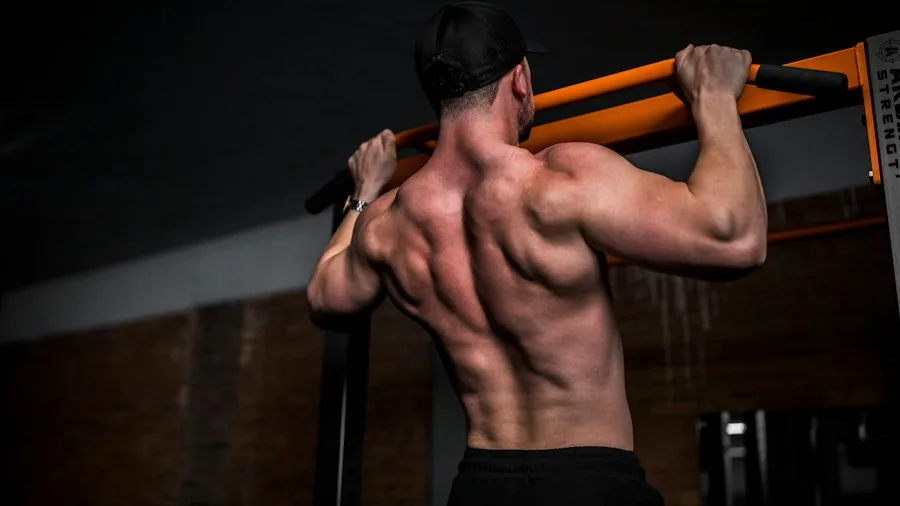
Another revelation was how grip strength consistently emerged as one of the most predictive longevity markers. Hangs on a pull-up bar, farmer’s carries, and kettlebell work proved essential for building this capacity. The four-minute assault bike sprint for maximum VO2 max also weighted heavily in overall scoring, underscoring aerobic fitness as non-negotiable for longevity.
What This Means for Your Fitness Shopping Decisions
The findings from these tests should influence what fitness equipment and training resources shoppers prioritize. Rather than investing solely in machines for isolated exercises, the data suggests a balanced approach combining resistance training, high-intensity interval work, and functional movement training. Daily workouts that incorporate varied movement patterns and intensity levels align with what these longevity researchers recommend.
The competition also underscored the importance of wearable technology for tracking aerobic capacity and recovery. Many participants realized they lacked accurate baseline data for their VO2 max and cardiovascular performance. Fitness watches and dedicated cardio tracking devices suddenly became more relevant after experiencing how this marker influences overall longevity predictions.
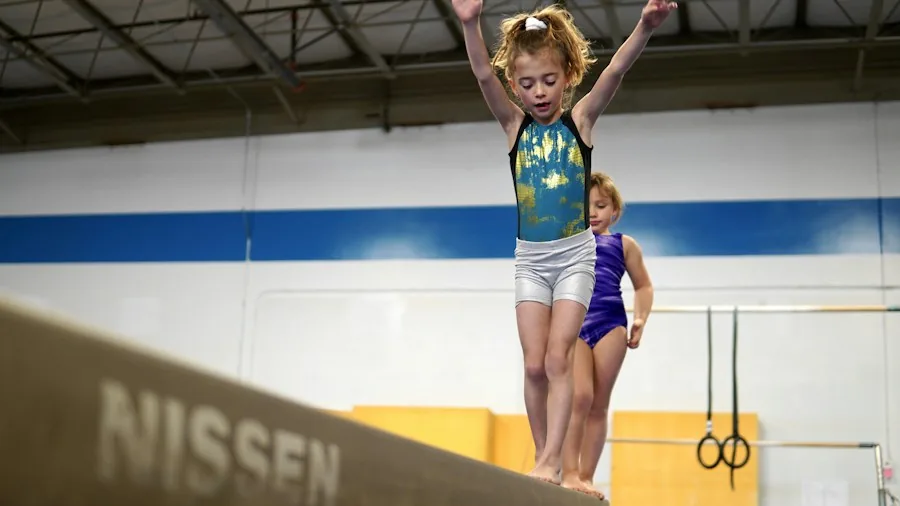
Balance and stability equipment, often overlooked in home gyms, emerged as crucial purchases. Single-leg deadlifts, balance beams, and unstable surface training proved essential for fall prevention and muscle retention as you age. Modern wellness devices now integrate recovery and stability work to address these gaps more effectively than traditional equipment alone.
The Mental and Physical Balance
One of the most important takeaways for shoppers was the realization that fitness cannot be purely physical. Cognitive training tools, whether through apps, games, or structured memory work, deserve a place in your wellness budget. The brisk 30-minute walks recommended for cognitive function, combined with HIIT training and resistance progressions, created a complete picture of fitness that goes beyond typical gym routines.
Progressive overload remained central to the recommendations. Whether increasing reps, sets, weight, or intensity in resistance training, or advancing from Zone 2 aerobic work to high-intensity intervals, fitness shoppers should seek out equipment and programs that allow incremental challenge. Training approaches that maintain consistency across seasons support this principle year-round.
The competition results revealed that even lifelong exercisers have significant gaps in their training. For fitness shoppers, this is an opportunity to reassess whether your current setup and routine address all eight longevity markers or if you are missing key components like agility drills, grip strength work, balance training, and cognitive challenges that predict how well you will age.





Write Your Review
No reviews yet. Be the first to share your experience!