
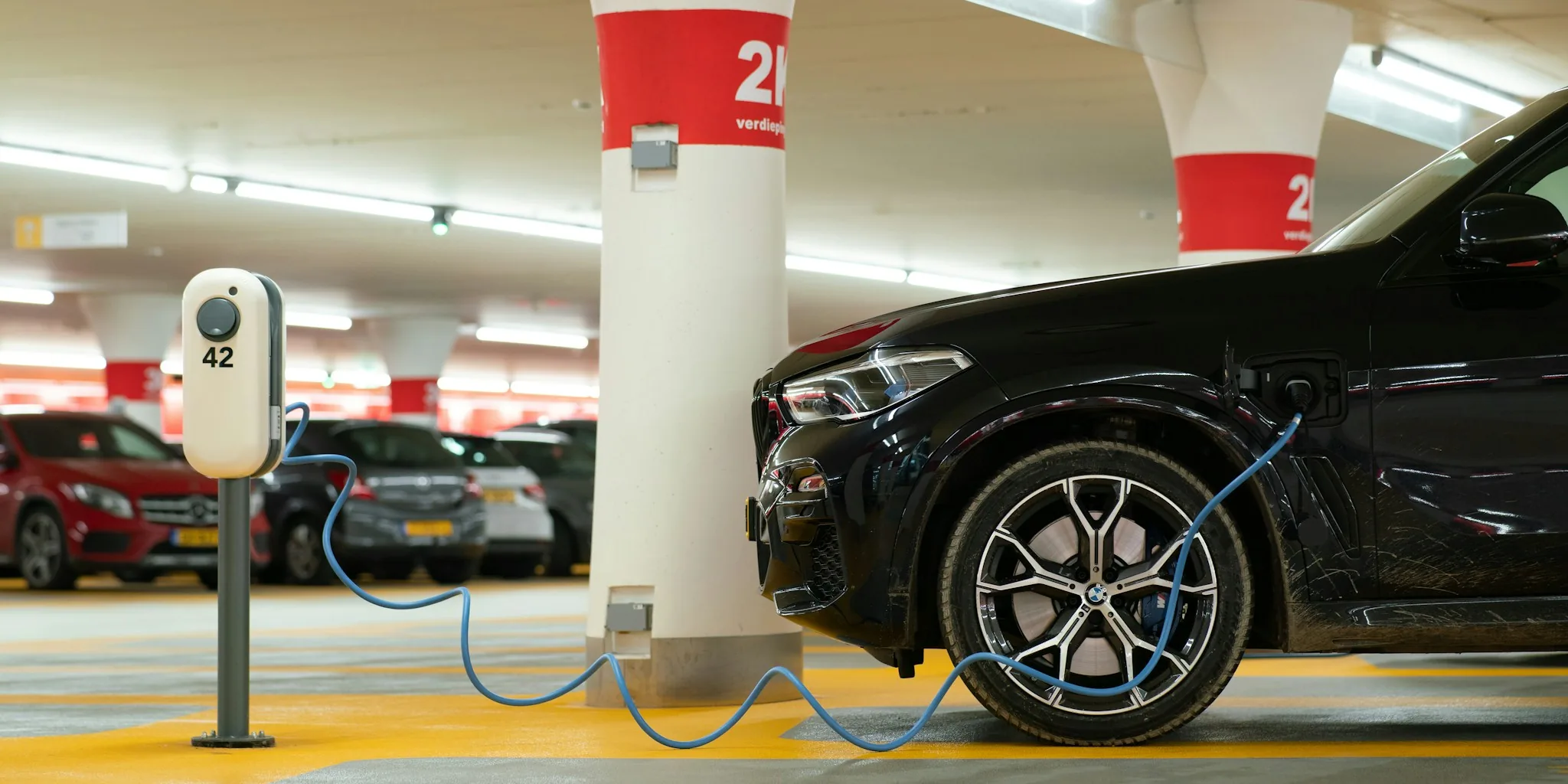

Toyota has announced a significant safety recall affecting approximately 10000 units of its 2026 C-HR EV across North America. The recall stems from a software defect in the battery management system that can trigger unexpected power loss while driving, presenting a genuine safety hazard to owners and potential buyers considering this new electric SUV.
What is the Problem
The issue centers on the vehicle’s regenerative braking system, which is designed to capture energy when a driver slows down and return it to the battery. Under specific conditions, a software bug causes this system to overcharge the battery when it is already at a high state of charge. When overcharging occurs, the vehicle’s electric drive system may shut down completely, resulting in sudden loss of drive power. Toyota emphasizes that this loss of power is particularly dangerous at highway speeds, where it significantly increases the risk of a collision.
The defect does not occur under normal driving circumstances but rather under particular charging conditions that may catch drivers unaware. This unpredictability makes the recall especially important, as owners cannot easily avoid triggering the problem through modified driving habits.
Who Is Affected and When Will the Fix Arrive
The recall applies to all 2026 model year C-HR EVs sold in North America, covering roughly 10000 vehicles. Through the end of August, Toyota sold approximately 6321 C-HR EVs in the United States alone, meaning the recall encompasses virtually every C-HR currently on the road in the region. Toyota has committed to notifying affected owners by early November.
Dealerships will resolve the issue through a software update to the Battery Electric Vehicle Electronic Control Unit. Owners will need to schedule an appointment at their local Toyota dealership to have the update installed, which should take a relatively short amount of time. Once the update is complete, the regenerative braking system will operate correctly without risk of battery overcharging.
What This Means for Buyers
For current C-HR EV owners, this recall serves as a reminder to stay alert about manufacturer communications and schedule the software update promptly once notifications arrive. The fix is straightforward and poses no inconvenience beyond a dealership visit.
For shoppers evaluating the 2026 C-HR EV as a purchase option, this recall does not necessarily signal a deal breaker. Software defects are common in new vehicle launches and are typically resolved quickly through over the air updates or dealer service. However, prospective buyers should use this as motivation to register vehicles promptly and monitor their email and mail for official recall notices. Understanding that EV ownership involves different maintenance considerations than traditional vehicles, staying informed about battery system issues becomes particularly important.
The Broader EV Landscape
Toyota’s 2026 model year represents a major expansion of its electric vehicle offerings in the United States. The company refreshed its bZ4X SUV and simplified the nameplate to bZ, introduced the wagon style bZ Woodland, and launched the compact C-HR EV to target buyers seeking smaller electric vehicles. The C-HR occupies an important market segment as an affordable entry point into Toyota’s EV lineup.
While this recall temporarily casts a shadow on the C-HR’s debut, it reflects the reality of bringing new technology to market at scale. Early production runs of new vehicles occasionally reveal unexpected issues that manufacturers must address. Toyota’s swift response to identify the problem and commit to a timely fix demonstrates responsible vehicle safety management.
Shoppers interested in comparing the C-HR EV with other compact electric options should note that emerging EV models are bringing diverse features and pricing to the market. Evaluating multiple options helps buyers find the vehicle that best suits their needs and budget.
What to Do if You Own a C-HR EV
Owners of affected vehicles should watch for official recall notification from Toyota starting in early November. When the notice arrives, contact your local Toyota dealership to schedule a software update appointment. The process requires no replacement parts and poses no risk to the vehicle. After the update is installed, the battery management system will function as originally intended.
Those still considering whether to purchase a 2026 C-HR EV should balance this recall against the vehicle’s overall features, price point, and Toyota’s track record with electric vehicles. A single software issue affecting a new model does not define the vehicle’s long term reliability, and the EV market continues to evolve with manufacturers launching vehicles worldwide. Making an informed decision requires understanding both the issue and its straightforward resolution.


Write Your Review
No reviews yet. Be the first to share your experience!