


Can You Really Train for a Marathon on a Treadmill?
The short answer is yes. If incorporating treadmill runs into your marathon training makes your schedule more realistic, coaches say it’s a viable strategy. According to certified running coaches, treadmill training can work for marathon prep, though it comes with distinct advantages and limitations that every runner should understand before race day arrives.
Why Runners Turn to Treadmills During Marathon Training

Several practical reasons push marathon trainees indoors. Harsh weather, unsafe running routes, time constraints, and childcare demands all make treadmill running attractive. Coaches note that treadmills remove weather barriers, allow training at any hour, and let you maintain consistent pacing without outdoor hazards. For some runners, the ability to multitask, watch entertainment, or train in a climate-controlled environment becomes essential to staying on schedule. You might also consider moving your training indoors when air quality makes outdoor running unsafe.
However, treadmill running has downsides. You’ll expend more energy outdoors because the belt assists your motion indoors. You miss natural terrain variation, wind resistance, and sunshine. The surface stiffness differs, potentially overloading your lower body with repetitive impact. Many runners also find the mental monotony challenging.
How Treadmill Running Differs from Outdoor Running
Biomechanics research shows movement patterns between treadmill and outdoor running are surprisingly similar. Your joints navigate similar angles, and overall forces feel comparable. However, timing and magnitude of muscle activation differ significantly. Outdoors, your legs work harder to propel you forward without belt assistance. Your body also adapts subconsciously to surface stiffness, making your legs softer on hard ground and stiffer on soft surfaces.
This adaptation matters for race day. Experts recommend training on your actual race surface at least 50 percent of the time, particularly for long runs. Running on unfamiliar surfaces during the marathon creates extra challenges and injury risk because your body hasn’t adapted to that terrain. Additionally, many runners unconsciously shorten their stride and lift their feet higher on treadmills, a movement pattern that can surprise you when racing outdoors.
Five Proven Tips for Effective Treadmill Marathon Training
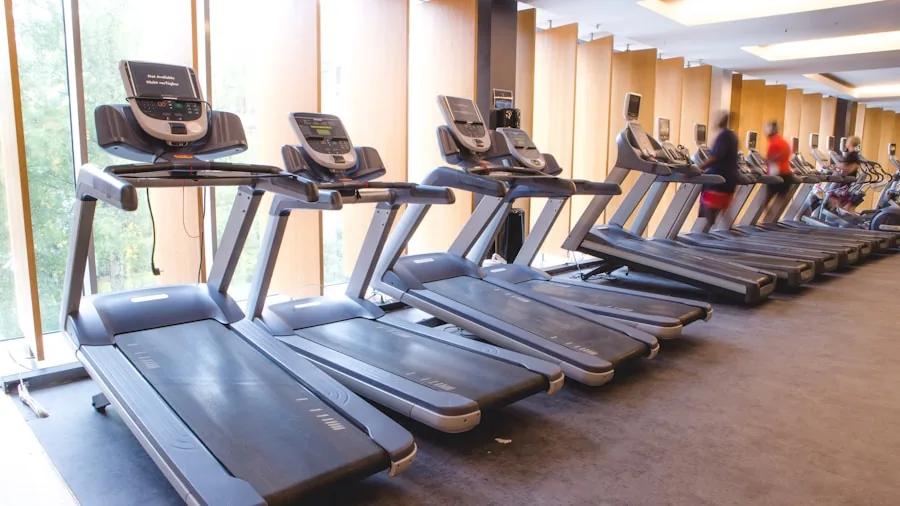
1. Keep Elevation Simple
Historical research suggested adding a 1 percent grade to simulate wind resistance. Modern coaches largely dismiss this for average runners. Stick with flat treadmill running, or add minimal grade only if you specifically want to practice hills.
2. Match Your Workout Intensity to Your Plan
Adjust treadmill speed to match your scheduled workout intensity. Monitor effort level and heart rate to confirm you’re hitting the right training zone. Since treadmills struggle with rapid speed changes, use them for sustained efforts rather than quick intervals under one minute.
3. Never Skip Your Warmup
Five to ten minutes of easy running before your main workout improves performance and reduces injury risk. This holds true whether you’re training indoors or outside.
4. Maintain Training Consistency
Follow your complete marathon training plan even on the treadmill. Practice proper running form, avoid holding the rails, and focus on foot turnover and cadence. If you’re doing long treadmill runs, practice your fueling strategy with gels and electrolytes just as you would during the actual race.
5. Make the Mental Experience Work for You
Some runners love treadmill predictability and use movies or TV shows as distraction during long runs. Others find treadmills mentally draining and prefer outdoor scenery. If you fall into the latter group, break your run into smaller chunks (one mile at a time), listen to music, run with friends, or create other mental engagement strategies. Coaches emphasize that building mental toughness on the treadmill strengthens your psychological resilience for race day.
Shopping for a Treadmill? Here’s What Matters
If you’re considering buying a treadmill for marathon training, look for models with accurate calibration for reliable pace and distance readings. Recent affordable options have launched that cater specifically to marathon runners. Prioritize consistent belt quality, smooth cushioning, and controls responsive enough for your training paces. Many runners also find value in entertainment features and adequate space for your natural stride. Since treadmill training may become a regular part of your routine, investing in a quality machine makes sense for your training success and injury prevention.
Ultimately, treadmill marathon training works best as a complement to outdoor running, not a replacement. Use indoor sessions for maintenance runs, speed work, and days when weather or safety demands it. Preserve your long runs and most of your weekly mileage for outdoor surfaces that match your race course. When you combine practical treadmill training with sufficient outdoor preparation, you’ll reach race day physically and mentally ready for the 26.2 mile challenge.





Write Your Review
No reviews yet. Be the first to share your experience!