
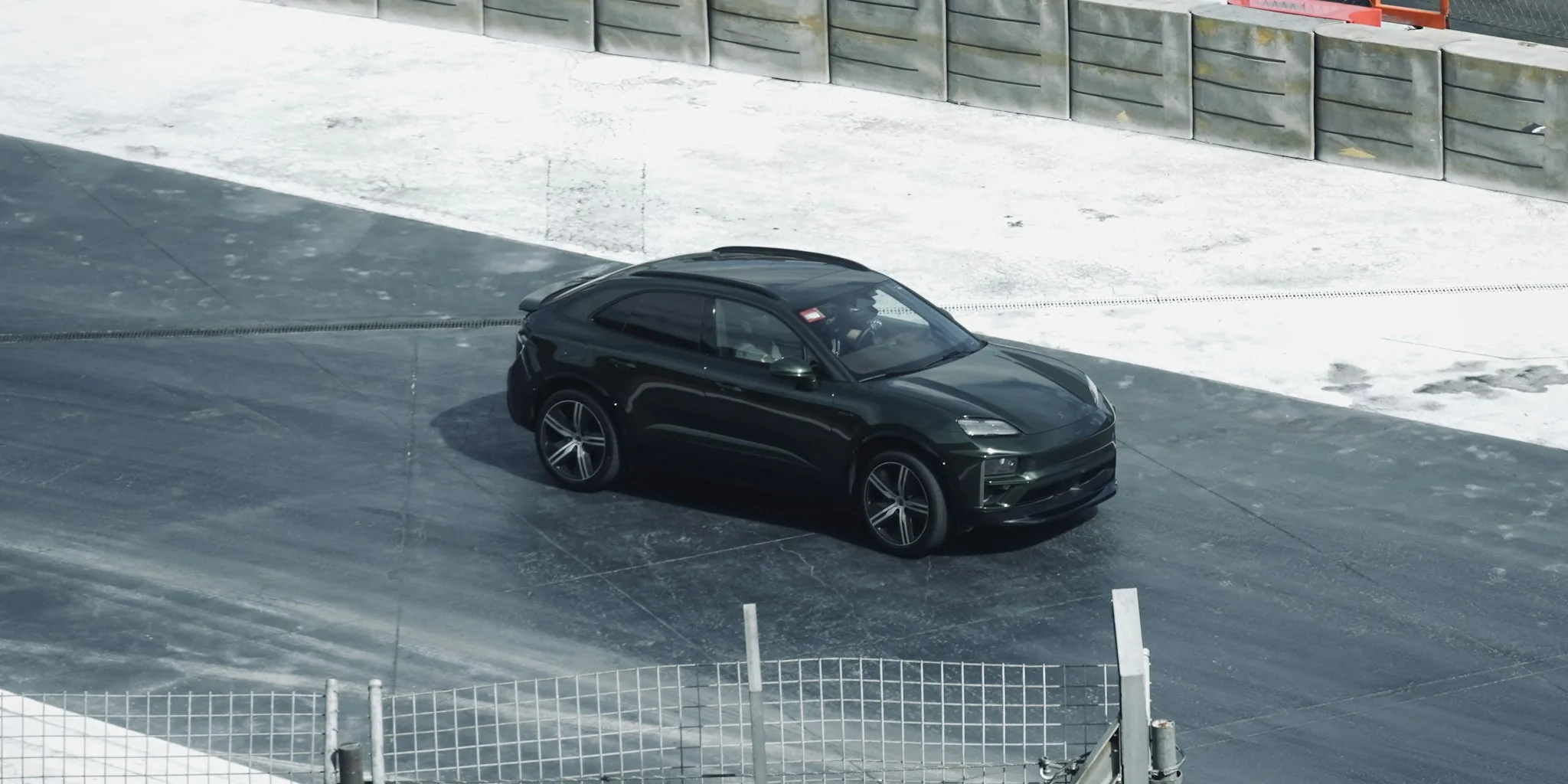

Volvo Phases Out EX40 as Electric SUV Compact Market Shifts
Volvo has officially ended production of the EX40 electric compact luxury SUV, marking the conclusion of the brand’s smallest battery-powered offering in the US market. The 2026 model year represents the final EX40 sold to American consumers, as the automaker refocuses its product lineup and invests in next-generation electric platforms. This decision reflects broader industry trends where traditional gasoline vehicles continue to outsell their electric counterparts in key market segments.
The EX40 nameplate enjoyed only a brief lifespan in its current form, appearing for the 2025 and 2026 model years. However, the vehicle itself has been available since 2021, initially sold under the XC40 Recharge designation through 2024. Despite offering genuine luxury features and impressive performance credentials, the electric variant consistently lagged behind its gasoline-powered sibling, the XC40, in terms of sales volume. Volvo recently refreshed the traditional XC40 for the 2028 model year, signaling the company’s confidence in the conventional powertrain segment.
Performance and Features of the Outgoing Model
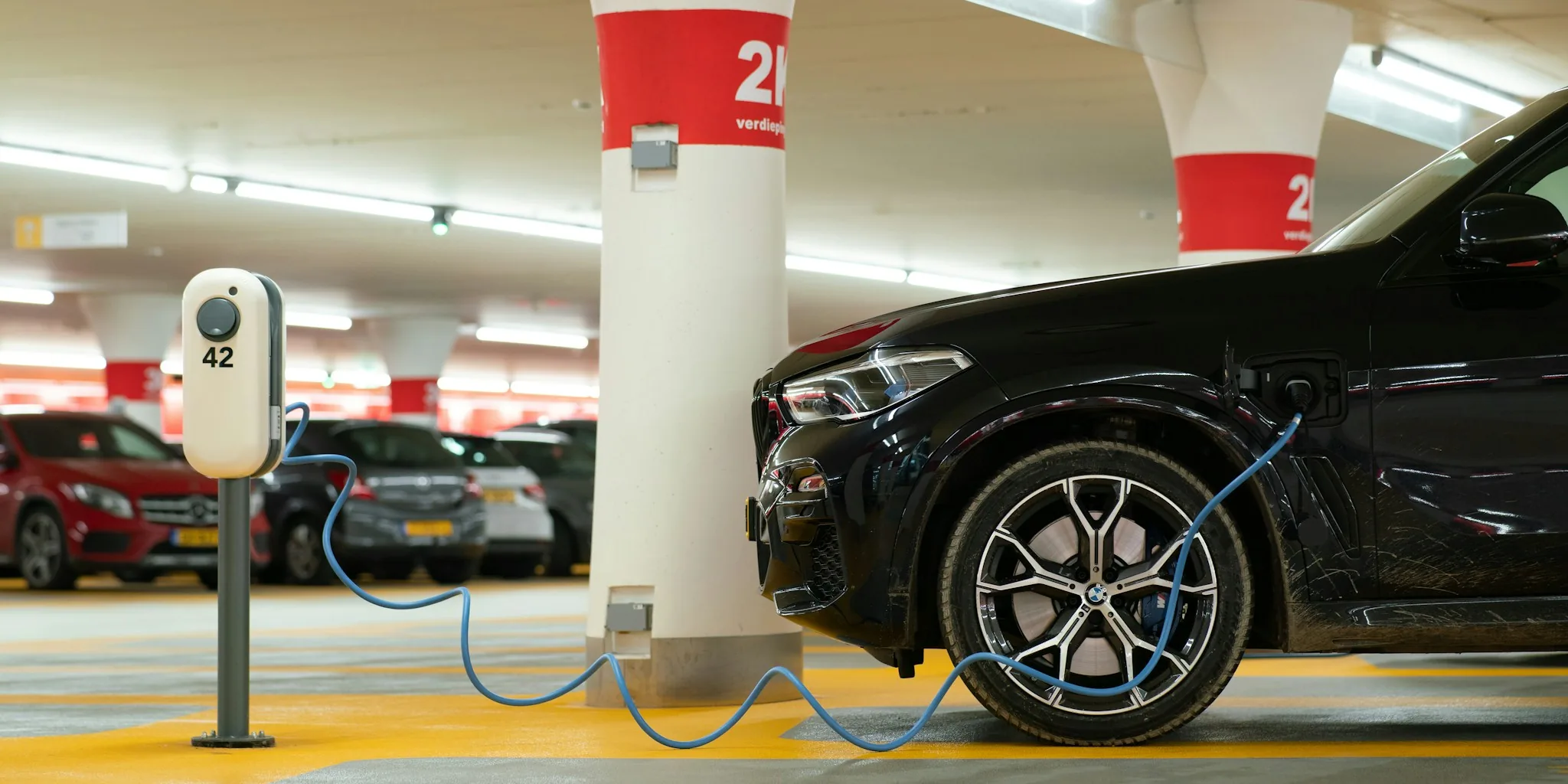
The EX40 provided two distinct powertrain options for consumers seeking an upscale electric driving experience. Base-level models featured a single rear-mounted electric motor producing 248 horsepower, delivering adequate acceleration and efficiency for daily commuting. Higher-trim versions equipped dual motors with all-wheel drive capability, generating 402 horsepower and offering more spirited performance that appealed to driving enthusiasts. Both configurations featured Volvo’s commitment to Scandinavian design language, emphasizing clean aesthetics and premium interior materials.
Owners and automotive reviewers consistently praised the EX40’s blend of luxury appointments and practical electric vehicle functionality. The combination of performance and refinement made it an attractive option for affluent shoppers willing to embrace battery power. However, as manufacturers introduce extended-range electric SUVs, the market landscape continues to evolve, potentially offering consumers more alternatives in upcoming model years.
What This Cancellation Means for Shoppers
The discontinuation of the EX40 reduces the number of compact luxury electric SUVs available to American buyers. Those currently considering an EX40 purchase should recognize that inventory will tighten as dealerships exhaust remaining 2026 model stock. Shoppers may discover limited availability or elevated pricing as demand concentrates on final model-year units.
For buyers committed to electric SUVs in the compact luxury segment, alternative options from competing manufacturers remain available. The industry continues to expand electric vehicle portfolios, offering different styling, technology packages, and performance characteristics. Those evaluating compact SUVs broadly will find that traditional SUV choices are expanding as well, giving consumers diverse paths forward regardless of powertrain preference.
A Successor Is Coming: Enter the EX50
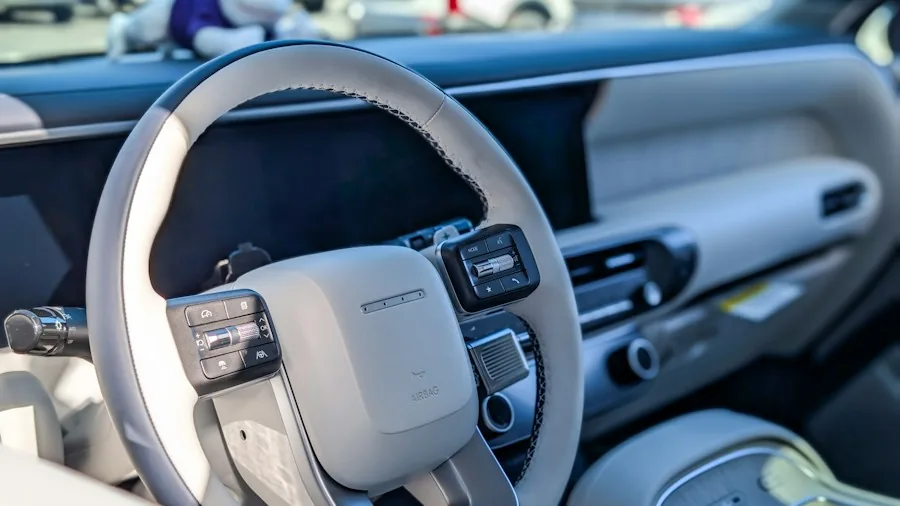
Volvo plans to replace the EX40 with an upcoming EX50 model, expected to arrive in fall 2027 as a 2028 model year vehicle. This next-generation electric SUV will represent a meaningful evolution in size and capability compared to its predecessor. The EX50 will stretch longer and taller than the outgoing EX40, positioning it in a larger compact or small midsize category. Despite the increased footprint, Volvo projects a starting price near $40,000, suggesting the company aims to deliver more value and functionality at a lower entry point.
The new model will ride on Volvo’s advanced SPA3 platform, a modular architecture designed to support both electric and hybrid powertrains efficiently. This foundation promises improved range, faster charging times, and refined interior space utilization compared to current-generation systems. While specific powertrain details remain unconfirmed, the EX50 development suggests Volvo’s continued commitment to the compact electric SUV category, even as it winds down the EX40.
Shoppers intrigued by future electric compact SUVs from Volvo should monitor announcements as the EX50’s launch approaches. Those currently shopping for electric vehicles should also consider that industry quality and reliability deserve careful attention during the selection process. The electric vehicle market remains dynamic, with manufacturers continuously refining their offerings and adjusting model availability based on consumer demand and competitive pressures.
Looking Ahead in the Compact Electric SUV Space
The EX40 cancellation underscores a critical reality in today’s automotive market: electric vehicle adoption proceeds at different speeds across market segments. Compact luxury SUVs, despite their appeal to upscale consumers, have not experienced the sales growth manufacturers initially projected. Conversely, traditional gasoline-powered compact SUVs continue attracting substantial buyer interest, prompting companies like Volvo to maintain and refresh these platforms.
For prospective EX40 buyers with immediate needs, exploring 2026 model year inventory at local Volvo dealerships remains a viable option. Those with longer timelines should evaluate competitive offerings and await more details on the forthcoming EX50. Regardless of timing, the automotive landscape will continue offering diverse choices across powertrains and price points for discerning SUV shoppers.





Write Your Review
No reviews yet. Be the first to share your experience!