
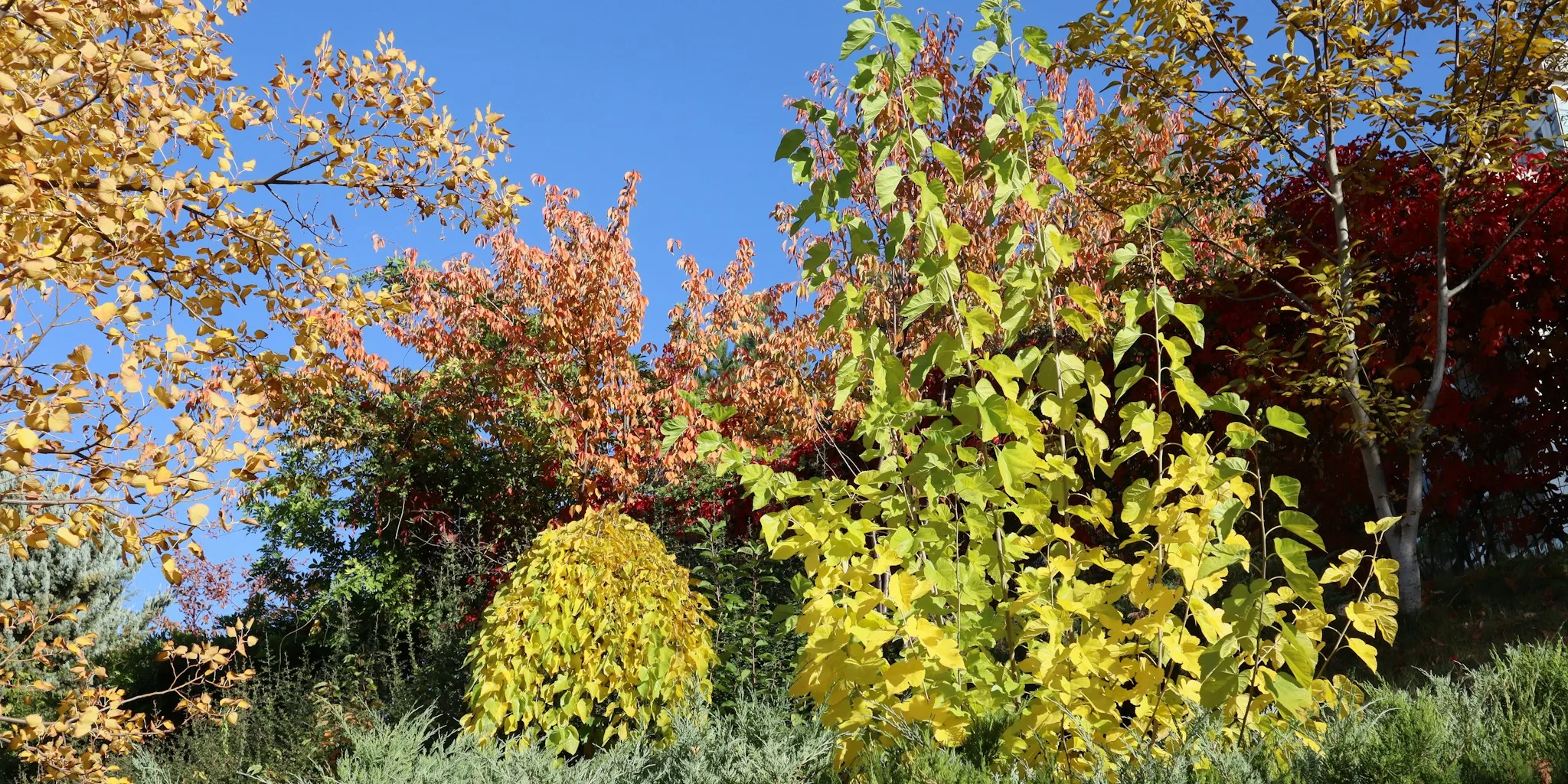

Why Fall Is the Best Time to Buy and Plant Hedges
As temperatures cool and summer heat fades, fall becomes an ideal window for purchasing and installing new hedge plants in your yard. During this season, soil temperatures remain warm enough for roots to establish strong systems before winter arrives. Meanwhile, cooler air above ground reduces stress on newly planted shrubs. This combination means hedges planted in September or early October will develop robust root systems that prepare them for vigorous growth come spring. For homeowners seeking privacy screens or boundary plants, fall shopping and planting offers a significant advantage over spring planting.
When selecting hedge plants, prioritize native species for your region. Native shrubs require less water, encounter fewer pest problems, and demand minimal ongoing maintenance compared to non native varieties. Before making your purchase, consider whether you want year round coverage or are comfortable with seasonal bare branches. Evergreen hedges maintain density and privacy throughout winter, while deciduous options offer stunning seasonal color changes but leave gaps when leaves drop.
Top Native Hedge Plants to Buy This Fall
Manzanita for Compact, Colorful Screening
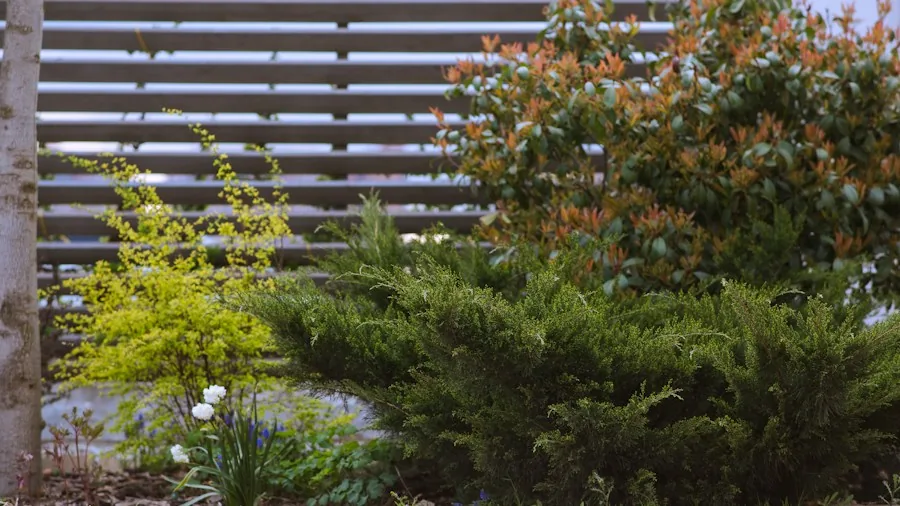
California native manzanita varieties deliver exceptional hedge performance in western landscapes. The ‘Fort Bragg’ cultivar grows as a dense, compact evergreen reaching just 3 feet tall and wide, making it ideal for moderate privacy needs without overwhelming yard spaces. This plant rewards buyers with small, shiny deep green leaves and remarkable seasonal interest: new spring stems emerge in vibrant pink red before deepening to Christmas green by summer. Spring brings delicate bell shaped pink flowers that transform into late summer berries, both of which attract birds and other wildlife to your landscape. Manzanita is naturally pest resistant and extremely drought tolerant once established. If your local nursery lacks Fort Bragg availability, the ‘Dr. Hurd’ variety offers stunning red bark as an alternative purchase option.
American Witch Hazel for Late Season Blooms
Unlike compact manzanita, American witch hazel creates a taller, more open hedge structure reaching up to 15 feet with spreading branches. This deciduous native provides brilliant yellow fall foliage before entering its most dramatic phase in late autumn and early winter. When most plants have gone dormant, witch hazel produces extraordinary ribbon like fringed yellow flowers that cling to branches long after leaves have fallen. These late season blooms offer crucial nectar resources for bees and insects foraging during cooler months. Birds feast on the fruit that develops after flowering. This plant’s extended visual interest and wildlife support make it a compelling purchase for gardeners valuing seasonal drama.
Flannel Bush for Sunny, Dry Locations
If your property includes a sunny area far from water sources, flannel bush deserves consideration. The ‘Ken Taylor’ cultivar reaches only 6 feet tall and wide, making it manageable for many residential properties. It displays egg yolk yellow flowers hanging from arching branches throughout most of summer. This California native thrives in well draining soil and often requires no supplemental water beyond natural rainfall once established. Its preference for sun and drought tolerance makes flannel bush an excellent low maintenance privacy option for challenging spots where other hedges struggle. Adding beneficial fungi to fall planting holes improves establishment rates for all hedging material, but particularly for plants like flannel bush.
American Holly for Dense, Year Round Privacy
American holly delivers maximum privacy screening year round as a tall, dense evergreen native. This plant eventually matures into a substantial 30 to 40 foot tree, making it suitable primarily for properties with generous landscape space. Full sun to partial shade locations support best growth. Holly requires consistent pruning to maintain hedge form rather than tree form, but the effort rewards patients gardeners with impenetrable privacy barriers. Wildlife value adds another benefit, as birds consume the berry crop. Keep holly away from home structures due to fire risk considerations.
California Lilac for Low Maintenance Blue Blooms
Ceanothus, commonly called California lilac, offers outstanding ornamental value with minimal care demands. The ‘Dark Star’ variety grows to 6 feet tall and 8 feet wide in full sun, developing arching branches clothed in deep green foliage. Stunning cobalt blue flowers blanket the plant in spring and persist through summer, creating a striking visual effect. This evergreen shrub asks only for well draining soil and sunny exposure, thriving without supplemental watering even during extended owner absences. Pairing California lilac with complementary ornamental grasses enhances landscape visual interest.
Arrowwood Viburnum for Wildlife Support
Arrowwood viburnum rounds out the native hedge selection as a tough, resilient deciduous option reaching 12 feet tall and wide. Spring brings creamy white blossoms, summer offers lush green foliage, and autumn delivers both dark blue fruit for birds and dramatic fiery red purple leaves. This dense native creates excellent privacy screens despite seasonal bare branches, and its undemanding nature appeals to busy homeowners.
Making Your Hedge Purchase Decision
Begin shopping now for fall planting success. Understanding container types helps evaluate plant quality at purchase time. Assess your specific site conditions including sunlight, soil drainage, available space, and desired privacy timing to select the best native hedge for your needs. With proper fall planting, these six outstanding native options will establish strong roots and reward you with years of beautiful, functional screening.




Write Your Review
No reviews yet. Be the first to share your experience!