
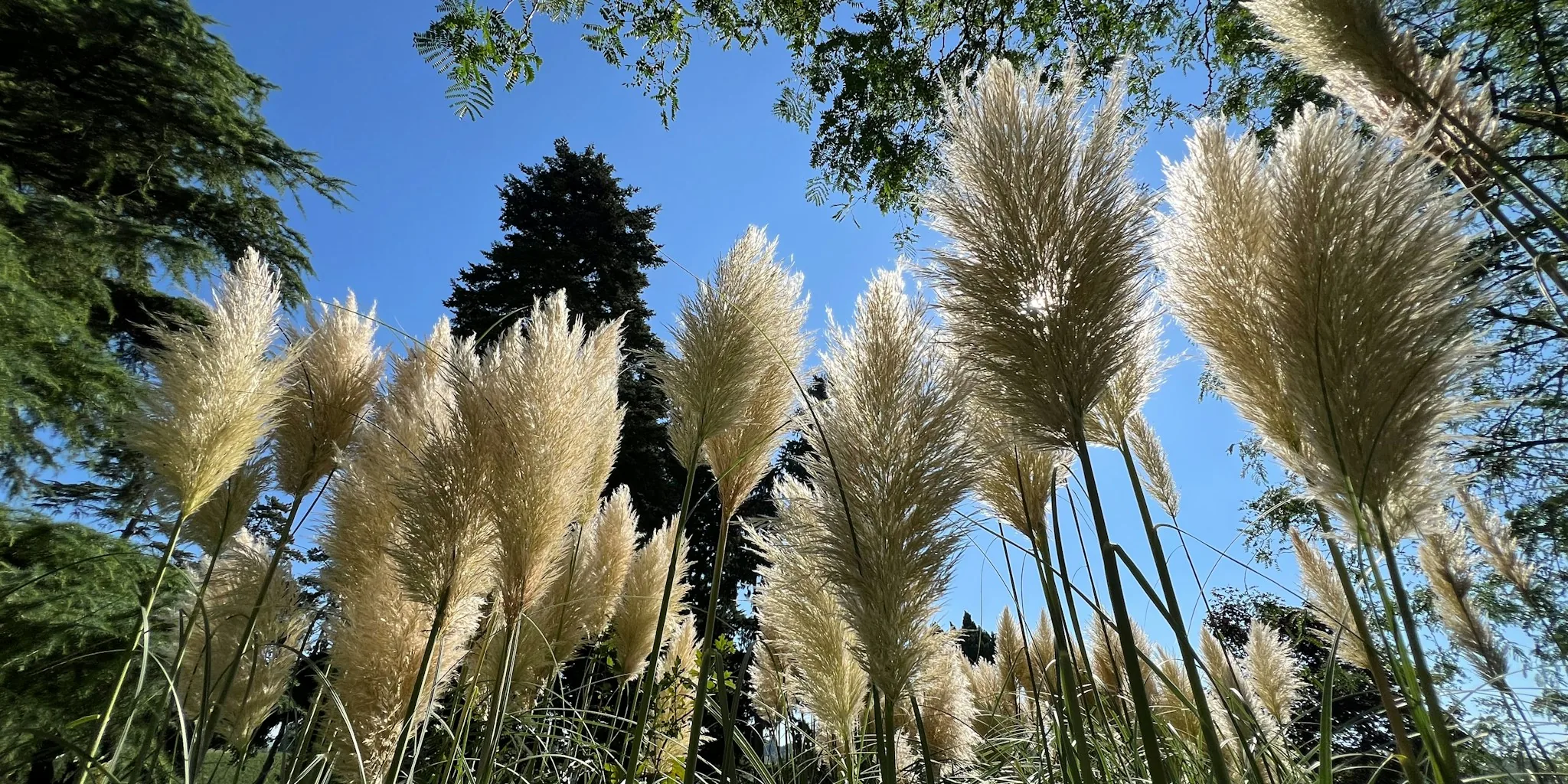

As summer fades and cooler weather arrives, many gardeners worry that their outdoor spaces will lose visual appeal. However, autumn is the perfect season to showcase ornamental grasses that deliver stunning color shifts, delicate seedheads, and graceful movement that can carry visual interest through the winter months. If you want to keep your garden beds looking vibrant and dynamic, these six varieties deserve a spot on your shopping list.
Why Ornamental Grasses Shine in Fall
While ornamental grasses add texture and structure year-round, they truly excel during the fall season. Many species transform into warm copper, burgundy, bronze, and gold tones as temperatures drop. Their feathery seedheads catch sunlight and sway dramatically in autumn breezes, creating movement that living flowers alone cannot achieve. Unlike deciduous shrubs that lose their leaves entirely, most ornamental grasses maintain their dried stems and seedheads through winter, extending the visual show well into the cold months.
Six Top-Performing Fall Grasses for Your Garden

Little Bluestem: A Native Autumn Showstopper
Little bluestem earned its name from its blue-tinted summer appearance, but fall is when this native American plant truly earns garden space. The foliage transforms into vibrant shades of red, copper, mauve, and burgundy, topped by purplish seedheads that persist into winter in most climates. This grass thrives in zones 3 through 9 and requires only full sun and well-draining soil. Once established, it demands minimal care and tolerates drought exceptionally well. Leave the stems standing through winter, cutting them back in late winter or early spring for best results.
Pink Muhly Grass: Soft and Feathery
For one of the most visually striking displays, plant pink muhly grass in groups or along borders. This native southeastern species grows in neat clumps reaching two to three feet in height and width, producing soft, feathery blooms that appear in late summer and fall. When multiple plants are grouped together, the effect resembles a soft pink cloud or cotton candy display. Hardy in zones 6 through 9, pink muhly grass demands full sun and well-drained soil but rewards you with exceptional drought tolerance, salt resistance, and adaptability to poor soil conditions once established. The attractive clumps look beautiful throughout winter, so wait until early spring to cut them back.
Switchgrass: Tall, Colorful, and Versatile
If you need height and impact in your garden beds, switchgrass delivers both. This native plant can reach up to six feet tall and provides dramatic fall color changes along with feathery seedheads. Different varieties offer different autumn colors: ‘Shenandoah’ turns deep red with pinkish flowers, while ‘Northwind’ develops yellow stems and seedheads. Switchgrass grows well in zones 3 through 9 and adapts to various soil types while becoming drought-tolerant once established. Its impressive height makes it ideal for creating tall borders or backdrops behind shorter perennials.
Prairie Dropseed: Delicate and Fountain-Like
Prairie dropseed brings a graceful, fountain-like form to fall gardens. This native grass grows in zones 3 through 9, with arching stems and green foliage that shifts to yellow-orange and bronze in autumn. The delicate seedheads that form in fall create an airy, almost transparent quality. This plant pairs beautifully alongside broad-leaved perennials, offering fine-textured contrast. It prefers full sun and well-drained soil and needs adequate spacing to develop its full, elegant form without crowding.
Northern Sea Oats: Unique and Shade-Tolerant
Northern sea oats stand out for their unusual flattened disc-shaped seedheads that resemble oats and dangle gracefully from the plant. Unlike most ornamental grasses, this native species tolerates partial shade and even deeper shade conditions, making it valuable for woodland gardens and shaded areas. The stems and seedheads change to bronze, gold, and purple tones that last into winter. However, this plant prefers consistently moist soil, so plant it in areas where water retention is naturally higher. It grows in zones 5 through 9 and works beautifully in rain gardens and natural landscape settings. When planting in fall, consider adding beneficial fungi to planting holes to help establish strong root systems.
Japanese Forest Grass: Asian Beauty in Autumn
The only non-native species on this list, Japanese forest grass hails from Asia but grows exceptionally well in zones 4 through 9. Unlike taller grasses, this species stays low and forms attractive clumps with wide, cascading blades in yellow-green or variegated patterns. In fall, most varieties shift to copper, gold, or bronze, though some like ‘Naomi’ turn purplish-red or brighter red shades. Being the only other shade-tolerant option here, Japanese forest grass offers flexibility in garden placement. Since it dies back in winter, you can cut it back well before spring without worrying about winter appearance.
Shopping Smart for Ornamental Grasses
When purchasing these grasses, check the hardiness zone labels carefully to ensure your selection matches your region. Consider the mature height and spread so you can plan spacing appropriately. If you’re planting multiple grasses together for a combined effect, group odd numbers of plants for natural-looking arrangements. Many ornamental grasses work well in containers and raised beds, giving you flexibility in garden design.
Resist the temptation to cut back your grasses at the end of summer. Instead, leave them standing through fall and winter to enjoy their full seasonal transformation. The seedheads provide food for birds, and the dried stems offer shelter for beneficial insects. Come spring, you can cut everything back to ground level, allowing fresh new growth to emerge and restart the cycle.





Write Your Review
No reviews yet. Be the first to share your experience!