
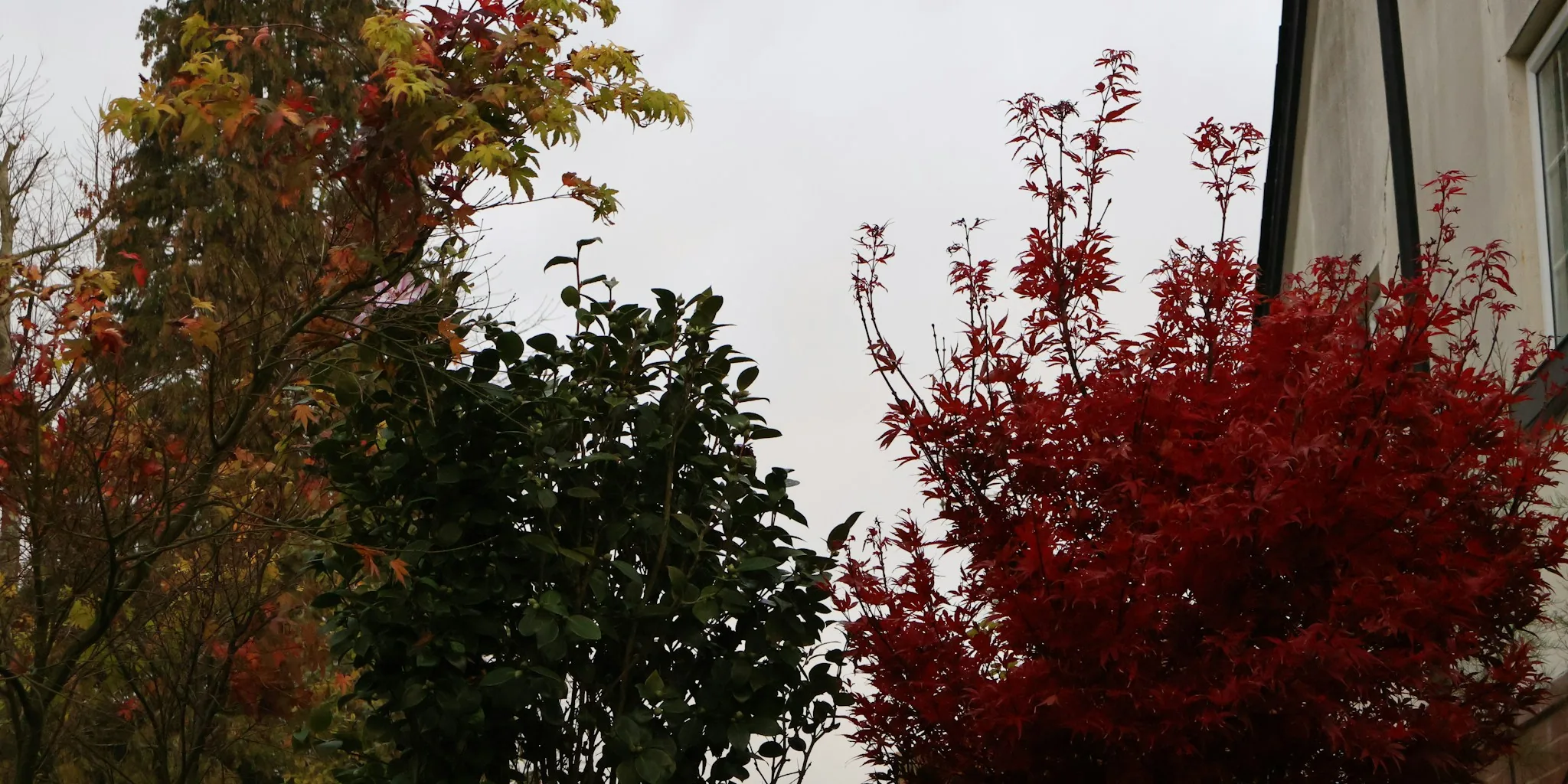

As autumn arrives and gray skies roll in, many homeowners pack away their garden hoses, assuming that seasonal rainfall will handle watering duties for newly planted trees and shrubs. This assumption is deeply flawed, and it costs countless gardens their young plantings every year. The difference between damp surface soil and a thoroughly saturated root ball is where most fall plantings quietly fail, even as the yard appears waterlogged from your kitchen window.
Why the Fall Watering Myth Is So Convincing
The logic behind stopping fall watering seems reasonable on the surface. Cooler air temperatures mean plants lose less water through their leaves. Morning dews, misty rain, and overcast skies create the impression of a constantly wet environment. Dripping gutters, slick driveways, and damp mulch all give the visual signal that your garden is getting plenty of moisture. However, established trees with deep root systems can survive on natural rainfall, while newly planted specimens remain vulnerable.
The real danger lies in delayed symptoms. Trees and shrubs planted within the past 6 to 12 months may actually leaf out normally in early spring, drawing on stored energy reserves. They collapse later, once late spring or summer heat arrives and their damaged roots cannot supply adequate water. By then, gardeners often blame disease, poor nursery stock, or heat stress, completely forgetting the dry October conditions that caused the original injury.
The Root Problem: Why Rain Isn’t Enough
A freshly transplanted tree or shrub’s root system remains confined to its original root ball for many months. Commercial nursery potting soil, typically composed of lightweight pine bark and peat, drains far more rapidly than native garden soil. When this fluffy potting medium meets heavier native clay or loam, it creates a moisture barrier that prevents water from flowing freely between the two soil types. The surrounding native soil can feel damp while the root ball remains bone dry.
Additionally, a light autumn shower or drizzle only wets the top inch of soil. Most of that surface moisture evaporates or runs off before ever penetrating deeper. A rain gauge revealing barely a quarter-inch of precipitation fell across your yard, yet your soil core two inches below the surface remains parched. Evergreen plants create an additional challenge: dense canopies act like umbrellas, deflecting rainfall outward past young root systems entirely.
Roots continue growing through fall as long as soil temperatures stay above 40 degrees Fahrenheit, which often extends weeks past the first frost. This late-season growth is the main advantage of fall planting, but it depends on available moisture. Without consistent water, root tips wither, halting the establishment process and leaving plants weak heading into winter.
Cold Weather Compounds the Damage
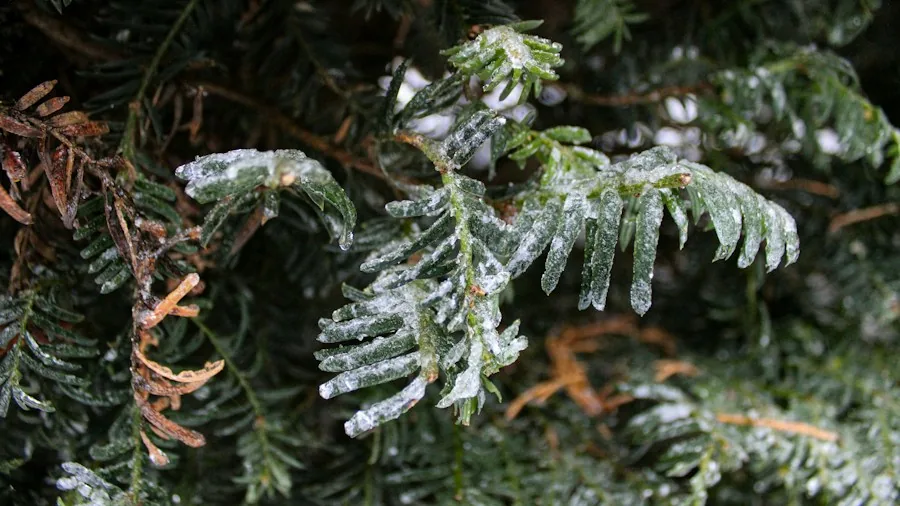
Winter itself imposes severe stress on dry root systems. Dry soil contains air pockets that freeze rapidly, conducting sub-zero temperatures deep into the root zone. Moist soil, by contrast, holds thermal energy and insulates roots against rapid temperature swings. Roots are far less cold-hardy than above-ground branches. While woody stems might survive sub-zero winds, tender roots suffer cell death when soil temperatures drop below 20 degrees Fahrenheit.
Evergreen trees and shrubs suffer the worst consequences of fall drought. Winter foliage continues losing water on bright, windy days. If the root ball entered winter dry and frozen solid, roots cannot replace lost moisture, resulting in severe browning on the windward or sunny side of the plant. Dry soil also contributes to frost-heaving, where freezing cycles lift poorly anchored plants out of the ground, exposing bare roots to lethal frozen air.
What Homeowners Should Actually Do
The reliable guideline for newly planted trees and shrubs is straightforward: if your yard receives less than one inch of natural rain within a 5 to 7 day period, you must water manually. Apply approximately 10 gallons of water twice weekly to effectively drench a standard 20 to 24 inch root ball.
Rather than guessing at rainfall amounts, install an inexpensive rain gauge on a fence post to track actual precipitation. However, gauges cannot account for dense foliage or thick mulch layers blocking rain from reaching roots. The most reliable test is manual soil inspection: push a long screwdriver two inches into the central area of the root ball. If soil comes up dry, gritty, or warm, watering is necessary.
Delivery method matters enormously. Dumping water rapidly from a bucket or high-pressure hose causes water to sheet off the compacted root ball surface, running into surrounding soil without penetrating the core. Instead, use slow, low-pressure soaking methods. Quality soaker hoses and watering bags release moisture slowly and deeply, allowing water to sink into the root zone properly. Sandy soils may need two light soakings weekly, while heavy loam responds best to one deep soak every seven days.
Drench both the root ball and the surrounding backfill soil. Soaking the backfill encourages roots to venture outward, helping strengthen plant support systems. Continue this routine until the ground freezes solid. In warmer zones where ground rarely freezes, check soil moisture monthly throughout winter, watering during dry warm spells above 40 degrees Fahrenheit.
Finally, after watering thoroughly, spread a 2 to 3 inch layer of organic wood mulch in a wide ring around each tree or shrub, pulling it back three inches from the trunk. Mulch acts as a protective blanket containing soil moisture and insulating root temperatures, but it cannot generate moisture independently.
Fall rain isn’t useless. A heavy storm delivering a full inch of rain over 24 hours covers your watering duties for the week. The rest of the time, a quick rainfall check and soil probe ensure your new plantings thrive for years to come. Trust the process, embrace the quiet rhythm of fall garden care, and watch your young trees and shrubs flourish when warmth returns.




Write Your Review
No reviews yet. Be the first to share your experience!