
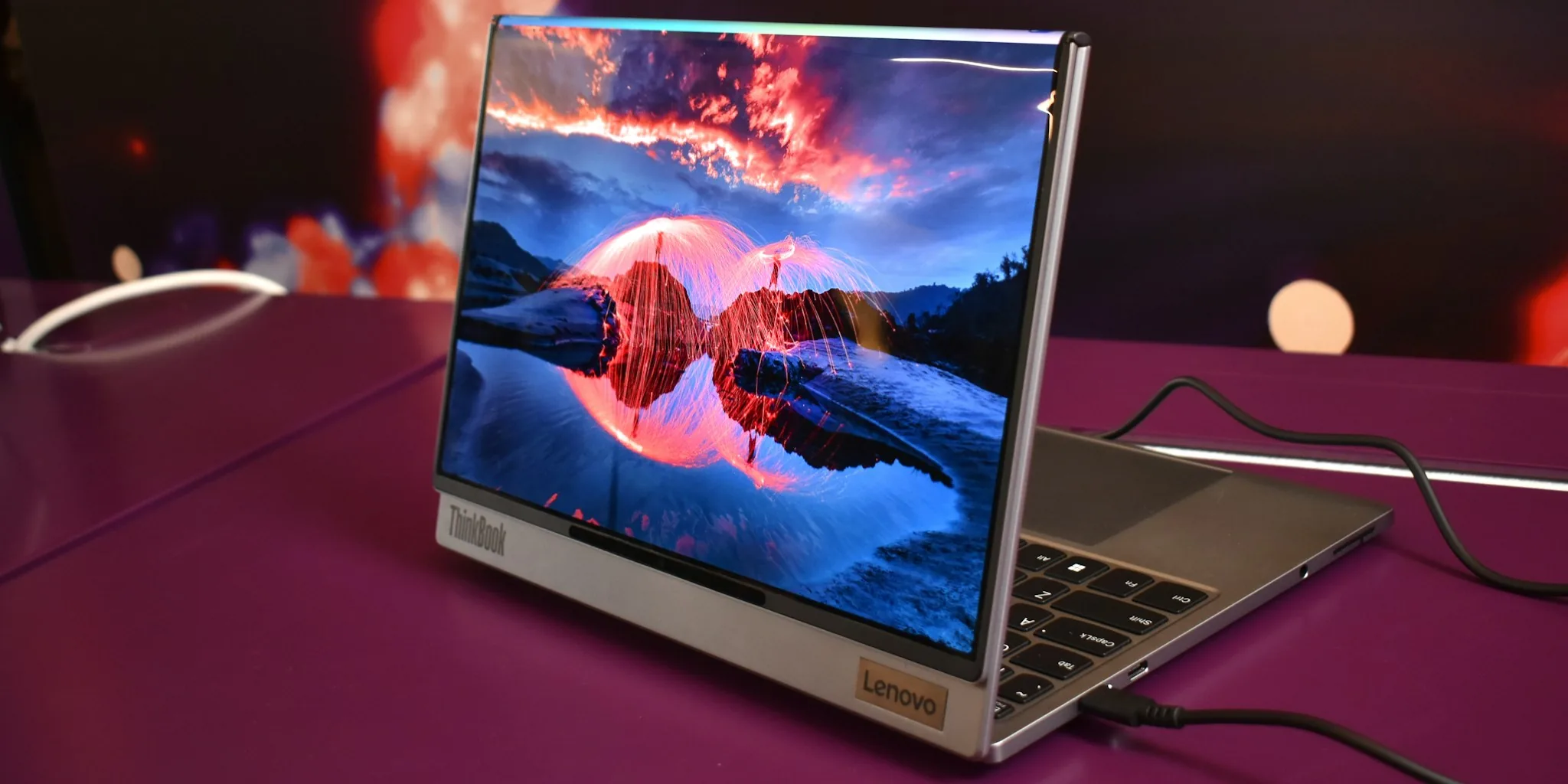

Huawei has unveiled a significantly upgraded version of its bold folding laptop for 2026, delivering improvements that address real durability concerns while introducing a standout feature that could reshape how users interact with the device. The refreshed MateBook Fold Ultimate Design combines faster performance, enhanced screen protection, and stylus support, making it a more practical option for creative professionals and power users considering premium portable computing.
Screen Durability Takes Center Stage
The defining challenge of any folding laptop is whether the massive screen can withstand everyday use. Huawei has responded by redesigning the protective glass layer covering its 18-inch OLED display with a new composite ultra-thin glass structure. The company claims this new construction delivers 90 percent better impact resistance compared to the previous generation, and the device has received an SGS five-star certification for drop and impact resistance across the entire unit.
When unfolded, the screen offers exceptional specifications: 3296 x 2472 resolution, a 4:3 aspect ratio, 1,600 nits peak brightness, and a 92 percent screen-to-body ratio. Folded into traditional laptop mode, each half becomes a more portable 13-inch 3:2 display. Despite the enormous panel, the device weighs just 1.16 kilograms without the keyboard and measures only 7.3 millimeters at its thinnest point when open.
The Stylus Game Changer
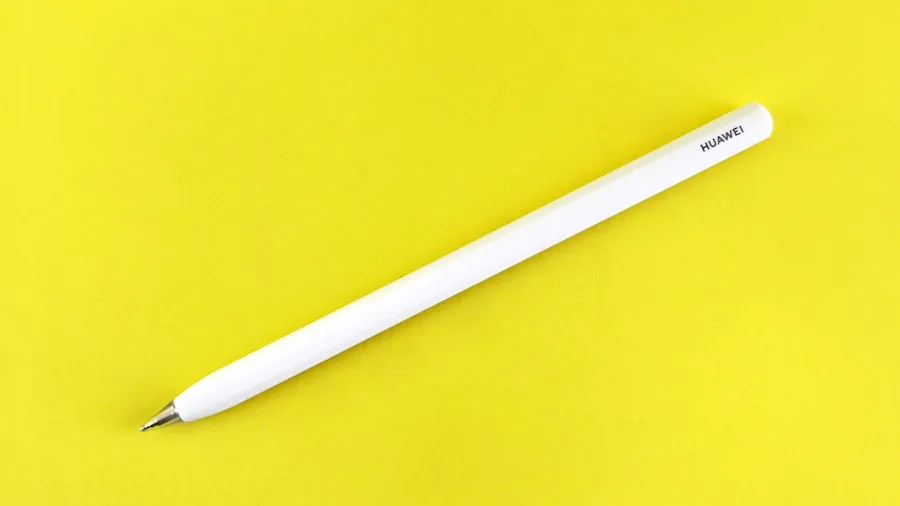
While performance and durability upgrades matter, the real breakthrough is stylus support through the new M-Pen 3. This addition genuinely transforms the massive 18-inch canvas from a novelty into a serious productivity tool. The pen enables handwritten notes, document annotations, technical drawing, presentations, and design work. It also functions as a remote pointer and page-turning controller in supported applications, expanding the ways professionals can use the device.
For creative teams, this capability opens genuine possibilities. Whether you’re working on laptop projects requiring detailed visual work or need a portable solution for video editing and media production, stylus integration makes the folding form factor substantially more versatile than the previous generation.
Performance Gains Under the Hood
Huawei has equipped the refreshed MateBook Fold with its new Kirin X90 Plus processor, running at up to 28 watts thermal design power. Combined with HarmonyOS 6.1, Huawei claims overall system performance improvements of 25 percent compared to the original MateBook Fold. However, independent benchmarks are not yet available, so real-world performance comparisons will matter once the device reaches reviewers.
Beyond raw speed, HarmonyOS 6.1 brings foldable-specific multitasking designed to leverage the large screen effectively, cross-device clipboard sharing, seamless phone and tablet integration, offline meeting transcription, and advanced artificial intelligence features including face-swap detection during video calls.
Premium Pricing Reflects Positioning
The refreshed model carries a starting price of 24,999 yuan in China, approximately $3,700 in US currency, which represents a 1,000 yuan increase from the original launch price. This positions it alongside other ultra-premium devices, making it considerably more expensive than many traditional flagship laptops. Direct competitors include the Lenovo ThinkPad X1 Fold and ASUS Zenbook Fold 17, both of which target similar audiences with folding designs.
Huawei has not announced international availability or pricing, leaving global buyers in a holding pattern for now. The device launches in Streaming Gold, Sky White, and Phantom Black color options.
What This Means for Shoppers
The 2026 MateBook Fold represents meaningful progress rather than a complete reimagining. The durability improvements address a critical concern that plagued earlier foldable devices. The stylus support finally justifies the massive screen real estate and opens the device to creative professionals who previously had limited reasons to consider a folding laptop. For users evaluating portable computing solutions for demanding work, these upgrades suggest the technology is maturing beyond novelty status.
If you value innovation and are willing to pay premium prices, the improved durability and stylus capabilities represent legitimate reasons to consider this approach. However, the steep pricing and lack of global availability mean most buyers will need to weigh these benefits against traditional laptops offering more proven reliability at lower cost points.

Write Your Review
No reviews yet. Be the first to share your experience!