


What Happened: The Supply Chain May Finally Shift
The computing hardware market has been trapped in what some call “RAMageddon” for over a year, with memory and GPU prices climbing sharply while supply remained constrained. But recent political changes could fundamentally alter the landscape. After the U.S. midterm elections, incoming legislative majorities are signaling stricter environmental oversight and energy conservation mandates that may slow the aggressive data center expansion plans of major tech companies.
The shift is already visible. OpenAI CEO Sam Altman recently switched his social media handle to “RAM Altman” and claimed he has long advocated for local consumer memory production. This abrupt rebranding suggests major AI companies are bracing for regulatory headwinds that could limit their ability to build sprawling server farms that have been hoarding chip supplies.
Why This Matters for Laptop and PC Shoppers
For the past year, the world’s largest chip foundries have prioritized manufacturing for hyperscalers like Microsoft, Amazon, and OpenAI. These corporations needed enormous quantities of advanced processors and memory to build data centers for training AI models. Consumer demand for laptops and desktop components was treated as secondary.
But if federal regulators begin blocking or delaying data center construction permits due to environmental and power grid concerns, the logic changes. Tech giants cannot build massive server farms without securing local power supplies and government approval. If they cannot expand their data centers, they will not need to purchase chips at today’s record volumes. That excess demand will evaporate.
When foundries lose those enormous enterprise orders, they face a choice: sit idle or pivot back to making standard consumer-grade memory and GPUs. For PC builders and laptop shoppers, that pivot could mean the first significant price relief in years.
The Regulatory Bottleneck
Washington’s regulatory shift is the key variable. The incoming Congress has explicit mandates around environmental protection and EPA oversight. The blank-check era of tech giants securing fast-tracked permits to drain local power grids for their “Compute Campuses” appears to be ending.
Research suggests that roughly half of proposed data center projects may face increased scrutiny and pushback. This regulatory friction may not kill the data center boom entirely, but it will slow it down significantly. That deceleration ripples backward through the supply chain, creating breathing room for consumer hardware manufacturers.
Why You Should Be Cautious
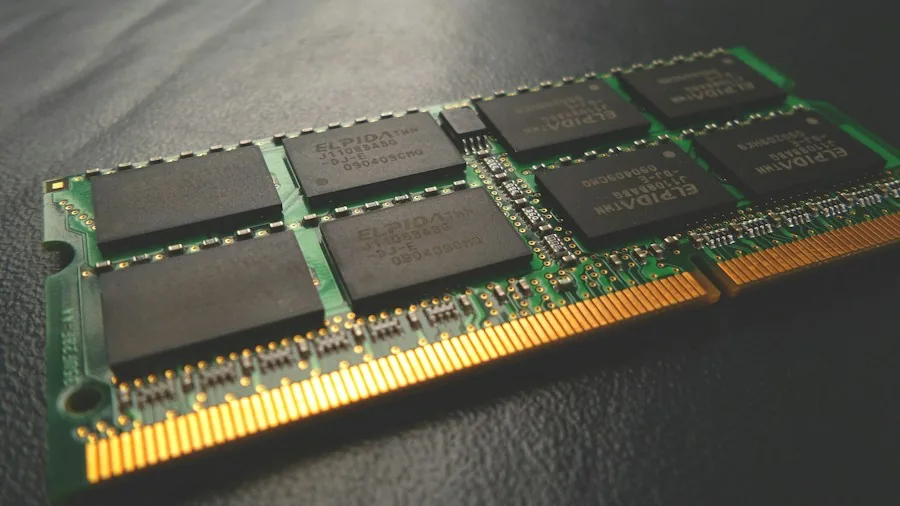
Not everyone agrees the relief is coming. AMD just reported a 45 percent year-over-year revenue surge, driven almost entirely by 97 percent growth in data center sales. The company is still selling every processor it can manufacture, and Wall Street analysts have rated the stock with aggressive “buy” signals. This suggests hyperscalers are not slowing down their spending anytime soon.
If tech giants maintain their purchasing power even as regulations tighten, foundries will keep prioritizing enterprise silicon over consumer components. That means 2027 could still remain challenging for anyone hoping to upgrade their laptop or build a gaming PC. The regulatory pressure alone may not be enough to redirect supply unless spending actually contracts.
What to Expect Going Forward
We are now caught in a standoff between two powerful forces. On one side, Wall Street data shows that tech companies still have enormous budgets and no intention of slowing down. On the other side, Washington is moving toward stricter rules that could make data center expansion far more expensive and time-consuming.
The outcome will likely unfold over the next 12 to 18 months. If regulatory friction begins to meaningfully restrict data center construction permits or power grid access, foundries will have strong incentives to rebalance their production. That shift would finally ease the shortage of consumer-grade memory and GPUs that has plagued the market.
For now, patience remains your best strategy. If you can delay a laptop upgrade or PC build, holding steady for a few more months might reward you with lower prices and better availability. The hardware supply crisis is not over yet, but the political environment has introduced a genuine wildcard that could finally tip the balance back toward consumers.





Write Your Review
No reviews yet. Be the first to share your experience!