
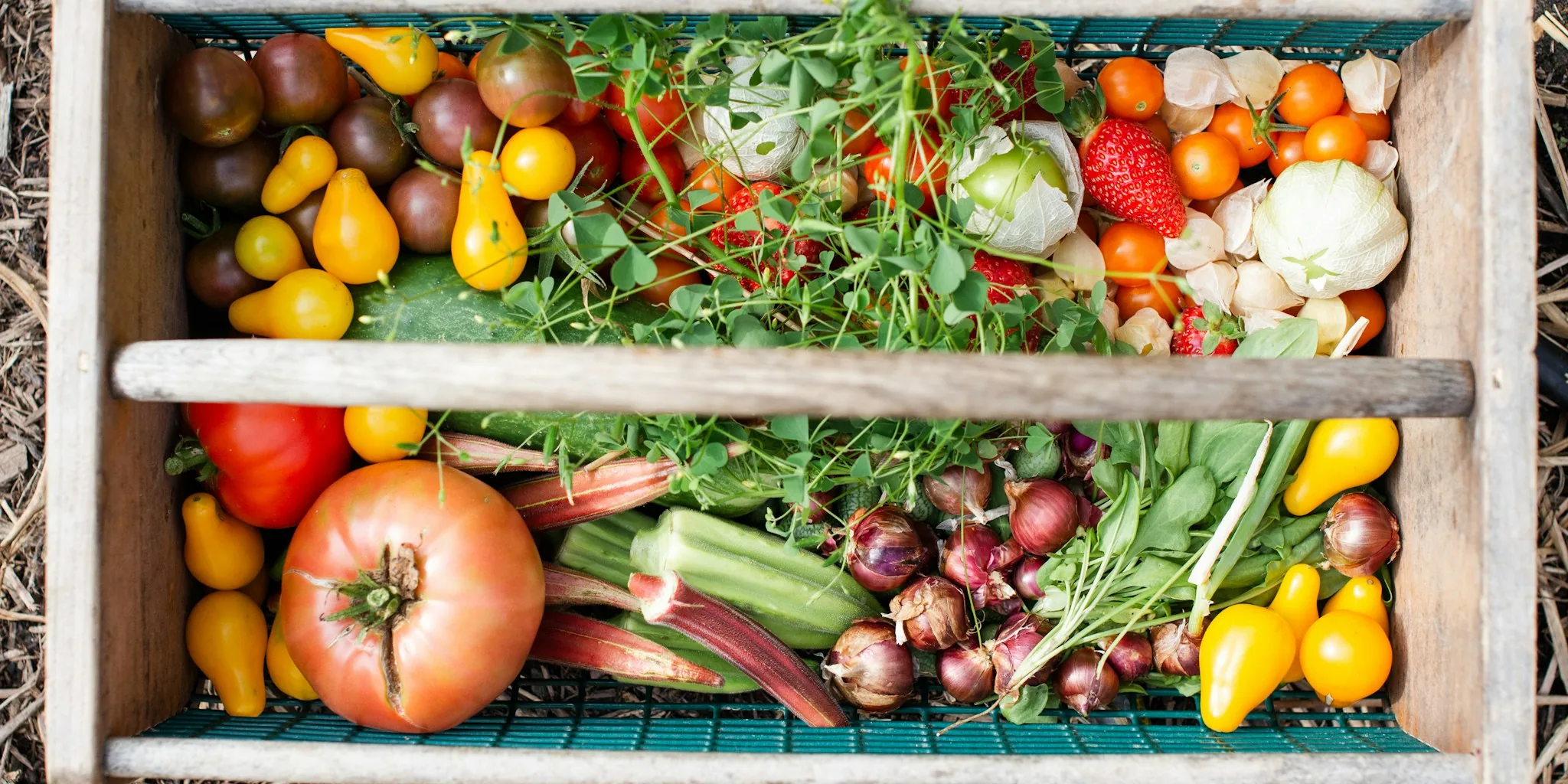

Summer is winding down, but your gardening season doesn’t have to end there. August is an ideal time to sow several fast-maturing vegetables that will reach harvest before the first frost arrives. If your garden beds are looking tired and bare, this is your chance to fill them with fresh crops. The warm soil in August actually works in your favor, speeding up germination and helping plants mature quickly as days grow shorter.
The key to success is matching each crop’s maturity timeline to your local first frost date, then adding 10-14 days to account for slower fall growth. Soil temperature matters too, anything warmer than 85 degrees Fahrenheit may slow germination for some vegetables, so a soil thermometer is a worthwhile investment.
Fast-Growing Vegetables for August Planting
Bush Beans
Bush beans are often left out of the August gardening conversation, but they mature in roughly 50 days, making them perfect for a late-summer sowing. Warm soil triggers germination in as little as three days. However, beans cannot tolerate any freezing, so the countdown from planting to harvest is critical. Plant them early in August in most regions to ensure a safe harvest window. Pick young and pick frequently for the best tender pods.
Radishes
Radishes are the ultimate quick crop, ready to harvest in just three to four weeks. They fill gaps in your garden beds perfectly and mature much faster than spring-planted varieties. One surprising benefit: fall radishes taste milder than their spring counterparts because the intense heat that makes them sharp and woody is fading away. Instead of planting your entire seed packet at once, sow a short row every two weeks for staggered harvests and better sizing.
Carrots
Carrots require 60 to 70 days to mature, which works in southern gardens but requires careful timing further north. The trickiest part is germination, carrot seeds are shallow and dry out quickly under the August sun, so the top inch of soil must stay consistently moist for an extended period. A length of shade cloth draped over the row reduces daily watering demands and improves sprouting success. Remove the shade cloth once seedlings emerge.
Beets
One planting of beets actually delivers two harvests. The leafy greens are edible long before the roots reach full size, giving you a bonus crop straight from the thinning process. Mature beets need 50 to 60 days but then hold in the ground through multiple frosts, actually improving in sweetness as they sit in cold soil. What appears to be a single seed is often a seed cluster, so thin seedlings to about three inches apart once they have sprouted.
Broccoli
Broccoli seed started in August won’t head up in time anywhere north of the Gulf Coast, so purchase nursery transplants instead. Nurseries stock them specifically for late-season planting. Young plants need shade during their first week after transplanting to prevent heat stress, which causes buttoning, tiny, unusable heads that never develop further. Cabbage loopers remain active in late summer and can devastate young plants, so protective netting should go up early rather than waiting for visible damage. The main head isn’t the end of production, side shoots continue growing after harvest.
Kale
Frost actually improves kale’s flavor, making it one of the few garden crops that benefits from cold weather. A single hard freeze triggers sugar production in the leaves, converting the harsh flavor to something much milder. Plants set out now have time to bulk up before temperatures drop. Harvest from the bottom leaves upward and the same plant keeps producing into winter in milder zones, providing months of harvests from one planting.
Timing Your August Plantings
Calculate backward from your local average first frost date. Take the vegetable’s maturity number in days, add 10 to 14 days for the fall slowdown, then count backward to determine your planting date. If your calculation lands after today, you’ll need either a quicker-maturing variety or frost protection.
Frost protection is inexpensive and effective. A floating row cover thrown over beds on cold nights can preserve a few critical degrees of warmth, often enough to save a planting or extend harvests by two weeks. However, row covers are a hedge against a bad week, not a full season extension. Monitor the forecast throughout October since frost dates are only averages and the first hard freeze can arrive well ahead of schedule.
Plant slightly more than seems necessary. August sowings have a way of taking care of themselves, and you’ll be grateful for the abundance when October rolls around and your neighbors’ gardens have gone dormant.


Write Your Review
No reviews yet. Be the first to share your experience!