
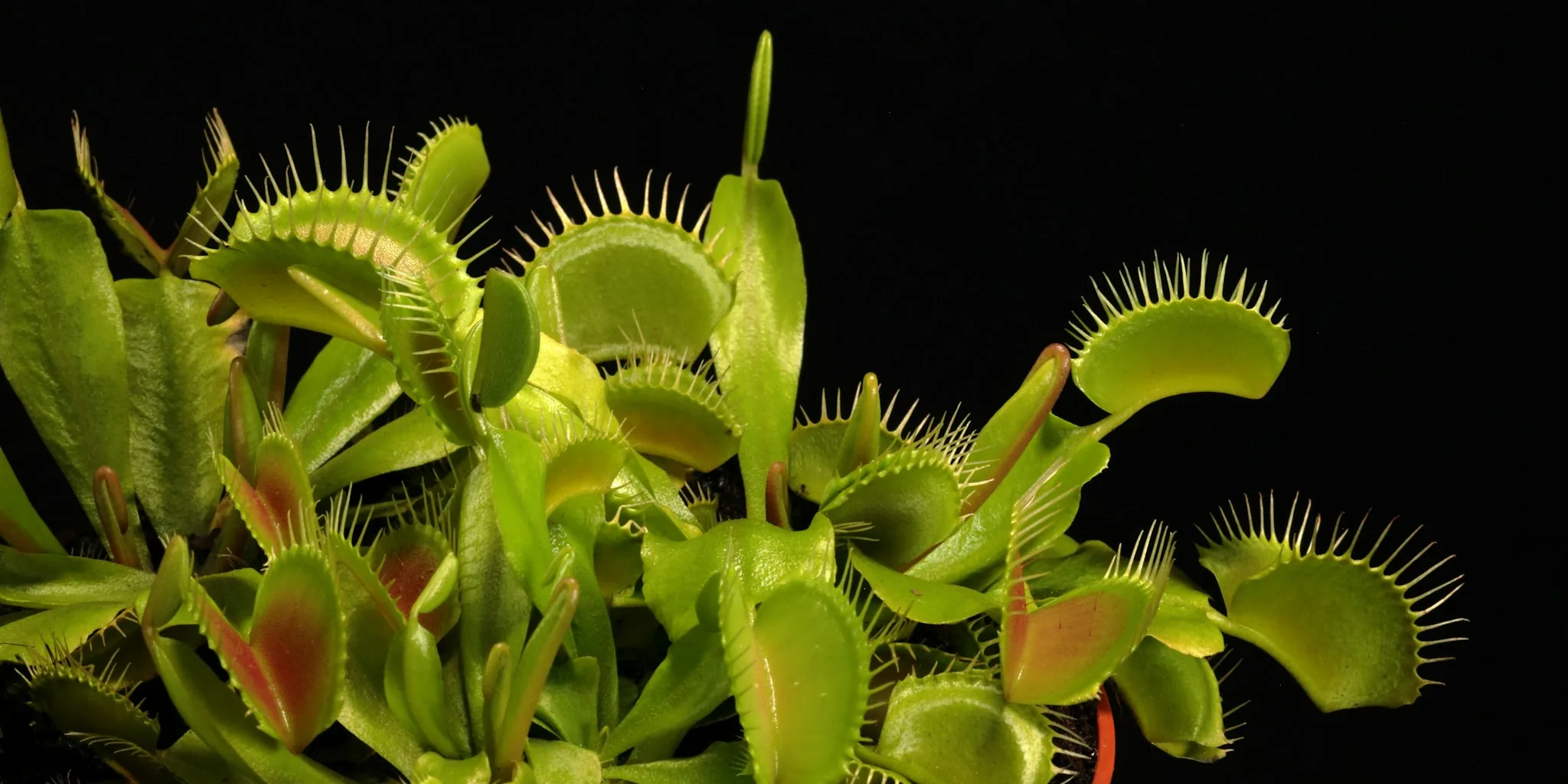

A fascinating new way to connect with nature is capturing the attention of plant enthusiasts and gift buyers across the country: birth month carnivorous plants. Similar to birth month flowers and zodiac-inspired collectibles, this trend assigns a unique carnivorous plant species to each month of the year, offering both a fun personality reflection and a legitimate gardening opportunity for shoppers looking to expand their indoor or outdoor plant collections.
Understanding the Trend
The concept pairs each birth month with a carnivorous plant species known for hunting insects rather than relying on traditional photosynthesis alone. Venus flytraps, pitcher plants, sundews, bladderworts, and cobra lilies each carry symbolic meanings tied to personality traits and hidden characteristics. What makes this trend particularly appealing to consumers is that it combines entertainment with practical gardening advice. Rather than simply being a novelty, shoppers can actually purchase and cultivate these plants, turning a personality quiz into a living, breathing collection.
Each plant represents different qualities, both positive and shadowy. January’s Venus flytrap symbolizes control and determination, while February’s fanged pitcher plant represents mystery and charm. By March through December, the complete roster includes unique species like cape sundews, purple pitcher plants, butterworts, cobra lilies, bladderworts, and the corkscrew plant. This gives shoppers twelve distinct options to explore based on their birth month or simply their personal preference for unusual plant varieties.
Why Carnivorous Plants Appeal to Buyers
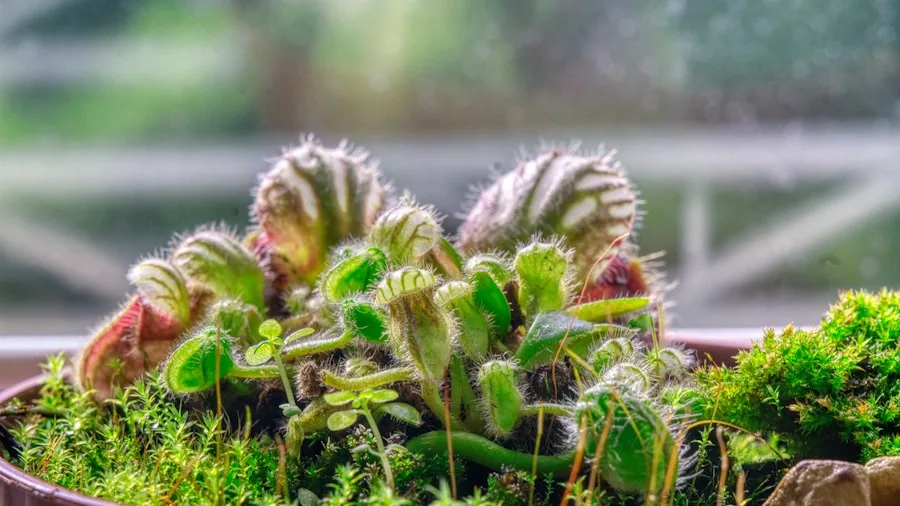
Beyond the personality connection, carnivorous plants have genuine practical value for home gardeners. Many species excel at pest control, making them attractive to buyers tired of dealing with fungus gnats, fruit flies, and other indoor plant pests. Growing plants from seeds or cuttings has become increasingly popular among home gardeners, and carnivorous plants offer an exciting alternative to traditional houseplants.
These remarkable specimens have evolved ingenious survival mechanisms. The Venus flytrap’s rapid-snapping leaves, pitcher plants’ funnel-shaped traps, and sundews’ sticky tentacles all represent millions of years of adaptation. For shoppers interested in unusual houseplants, owning one connects them to genuine botanical engineering rather than simply owning a decorative green object. This educational angle appeals to both serious collectors and casual plant parents looking to expand their knowledge.
Shopping Considerations for Beginners
Prospective buyers should understand that carnivorous plants require specific care conditions. Most prefer high humidity, bright indirect light, and distilled water rather than tap water. Growing medium matters too, as these plants typically need specialized soil mixtures designed for their unique nutritional needs. Seasonal care adjustments help many houseplants thrive year-round, and carnivorous species are no exception, often entering dormancy periods during winter months.
For shoppers, this means investing in proper equipment from the start. Glass terrariums with grow lights, specialized carnivorous plant fertilizers, and humidity-regulating containers have become increasingly available online and at garden centers. Prices range from budget-friendly starter kits to premium terrarium systems, making this trend accessible to various spending levels. Understanding these requirements before purchasing helps buyers avoid disappointment and ensures their plants survive long-term.
Gift-Giving and Collection Potential

The birth month angle makes carnivorous plants an attractive gift option for birthdays, holidays, or plant enthusiast occasions. Rather than generic flowers or standard houseplants, giving someone their birth month carnivorous plant feels personal and memorable. Many buyers are collecting the entire twelve-month set, similar to how people collect zodiac figurines or birth month jewelry. This creates ongoing purchasing opportunities as collectors complete their botanical sets.
Garden enthusiasts often plan their purchases seasonally, and carnivorous plants fit well into both indoor and outdoor gardening strategies. Some species thrive in outdoor bog gardens, while others remain strictly indoor houseplants. Shoppers can mix and match based on their available space and climate zone, making the trend adaptable to different living situations.
Market Availability and Future Outlook
Online retailers and specialty garden centers have responded to this growing interest by stocking seeds, established plants, and complete growing kits for carnivorous species. Prices remain reasonable for most varieties, with seeds starting around five to ten dollars and established plants ranging from fifteen to fifty dollars depending on species and size. This affordability makes the trend accessible while the novelty factor keeps it exciting for gift buyers and collectors alike.
As awareness spreads, expect to see expanded product lines supporting carnivorous plant cultivation, from specialized fertilizers to decorative terrariums designed specifically for these botanical hunters. For shoppers interested in unique plants, pest control solutions, or personality-connected gardening projects, birth month carnivorous plants represent a trend worth exploring.






Write Your Review
No reviews yet. Be the first to share your experience!