
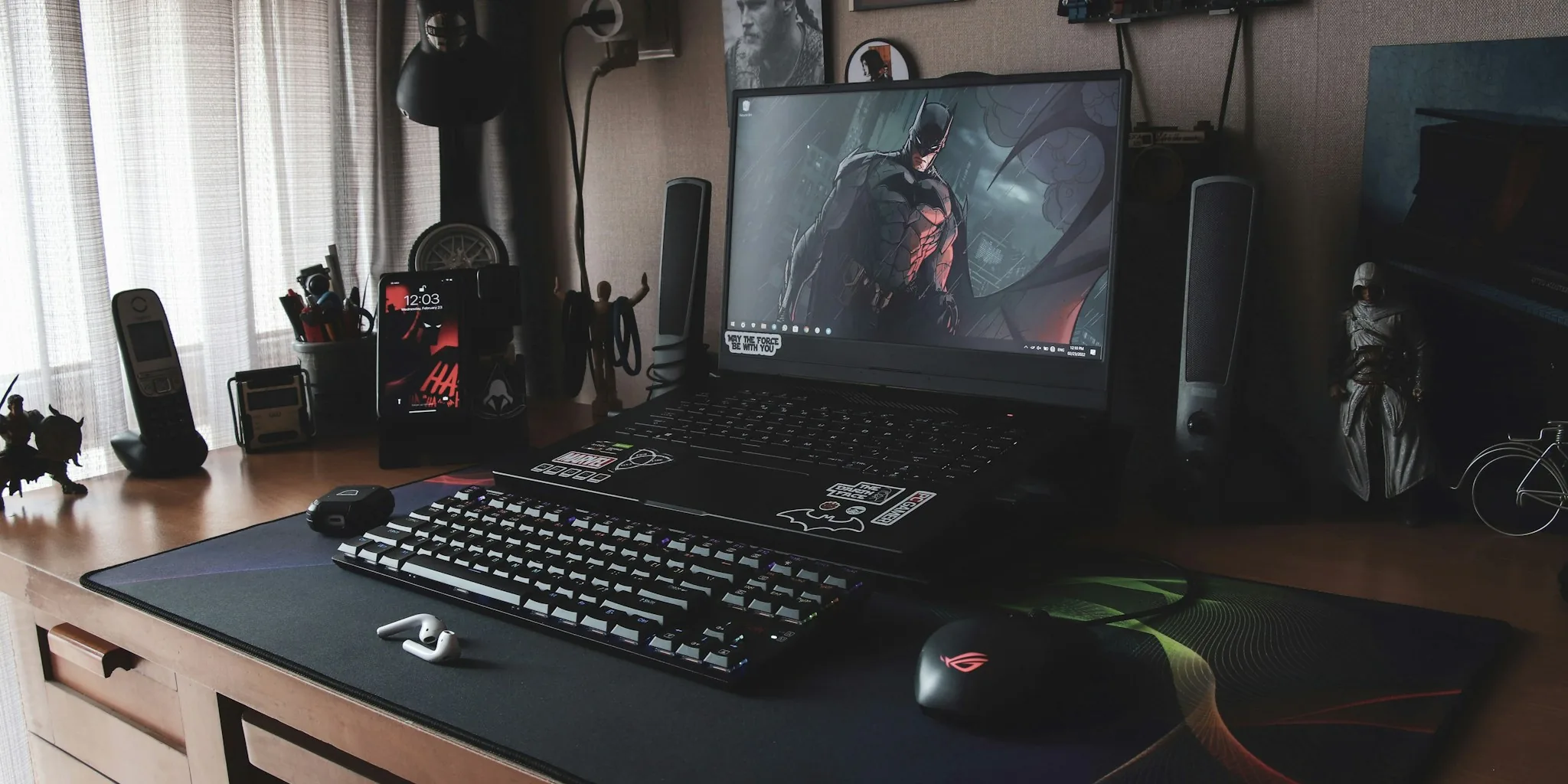

MSI Expands Its Gaming Laptop Lineup
MSI has rolled out two new gaming laptops that target very different budgets and priorities: the premium Crosshair 16 HX E14W and the midrange Cyborg 15. Both machines were put through hands on testing, and the results highlight just how differently the two models perform depending on what you value most, whether that is raw display quality, battery life, or overall value for money.
MSI Crosshair 16 HX E14W: Premium Power and Display
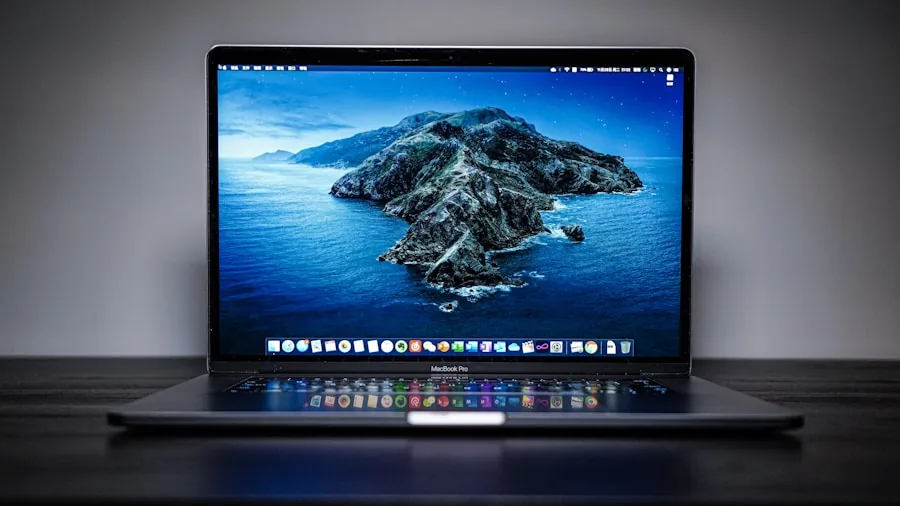
The Crosshair 16 is built for buyers who want top tier visuals and horsepower without much compromise. Its standout feature is a 2.5K, 240Hz display covering 157.5% of sRGB and 111.6% of DCI P3, with brightness reaching 447 nits and a Delta-E color accuracy score of 0.2, among the best available on a Windows laptop. That kind of screen makes a real difference for anyone considering the best laptops for video editing, not just gaming.
Inside, the tested configuration paired an Intel Core i7 14650HX with 16GB of RAM, 1TB of storage, and an NVIDIA GeForce RTX 5070. That hardware ran Counter Strike 2 at 228fps, Forza Horizon 5 at 102fps on extreme settings, and Cyberpunk 2077 at a smooth 55fps with ray tracing on. MSI’s Cooler Boost thermal system, with four exhaust vents, kept the machine cool even under sustained load, though the fans get loud enough to warrant headphones during long sessions. The tradeoff for all that performance is battery life: just 2 hours and 44 minutes on a single charge, which makes this strictly a plug in machine for gaming or heavy work.
MSI Cyborg 15: A Balanced Midrange Option

The Cyborg 15 takes a different approach, aiming at students, professionals, and casual gamers who want solid performance without paying premium prices. Configurations range from about $1,199 to $1,500 depending on storage. The test unit ran an Intel Core 7 240H, an NVIDIA GeForce RTX 5060, and 16GB of RAM, which handled everything from dozens of Chrome tabs and Discord to 4K video editing in Premiere Pro and Photoshop work without noticeable slowdown.
Its 15.6 inch Full HD, 144Hz display covers the full RGB gamut but lacks the visual punch of pricier panels, which is a fair tradeoff for the price. Gaming performance stayed smooth across titles like Call of Duty, Final Fantasy VII Rebirth, and Monster Hunter Wilds, though the cooling system runs warmer than the Crosshair’s under load. Where the Cyborg 15 pulls ahead is battery life, averaging around six hours per charge, roughly double what the Crosshair delivers. Its slim, 4.37 pound design also makes it a practical pick for anyone comparing laptops for college students or the best laptops for schools, where portability and all day use matter as much as raw power.
Which One Should You Buy
The choice mostly comes down to how and where you plan to use the laptop. The Crosshair 16 HX E14W makes sense for gamers and creators who work primarily at a desk and want the best possible display and frame rates, and who do not mind staying plugged in. The Cyborg 15 is the better fit for students, remote workers, and anyone who needs a laptop that can travel, last most of a school or work day on battery, and still handle modern games and creative software without much fuss. Either way, both machines show that MSI is covering the gaming laptop market from multiple angles rather than chasing a single price point.
Price is another factor worth weighing before you decide. The Cyborg 15 costs considerably less and stretches further on a single charge, which makes it the more practical everyday machine for most shoppers. The Crosshair 16 HX E14W asks for a bigger budget but returns a noticeably sharper, faster display and stronger raw performance for anyone chasing higher frame rates or color accurate creative work. If you are still comparing options beyond MSI, it is worth browsing a wider set of powerful laptops built for work and gaming to see how these two stack up against other brands in the same price ranges.



Write Your Review
No reviews yet. Be the first to share your experience!