


If you’ve been holding onto your current laptop for years and dreading the thought of buying a new one just to run advanced AI tools, a fresh solution is emerging that could change the equation entirely. Rather than forcing users to replace perfectly functional machines, a new external AI device promises to handle complex artificial intelligence tasks without draining your existing hardware.
The Problem with Running AI Locally
The rise of AI agents that can perform tasks autonomously on your computer has created an unexpected challenge for laptop owners. Tools that operate locally on your machine require substantial processing power and memory to function effectively, which means many people face a difficult choice: keep using older hardware and miss out on AI capabilities, or invest in an expensive new device.
For users who upgrade infrequently, this presents a real dilemma. A laptop that still works perfectly well may not have the horsepower needed to run demanding AI agents without slowing down or draining the battery faster. Replacing an entire computer just to enable AI functionality doesn’t make financial sense, especially when the rest of the system performs fine for everyday tasks like browsing, email, and document work.
How an External AI Device Changes Things

A newly unveiled hardware AI agent takes a different approach by moving AI processing off your laptop entirely. Rather than running software directly on your machine, this device connects to your computer and handles the heavy computational work independently, leaving your laptop’s resources untouched. This means you can keep using your current device without performance hits or battery drain concerns.
The system operates as a screen-aware agent, meaning it understands what’s displayed on your monitor and can help accomplish tasks based on that context. If you need to populate a form with an address from an email, the AI can locate and insert it. Working through a lengthy PDF you don’t have time to read, the agent can generate a summary. As you use the device regularly, it develops what’s called a continuous memory graph, learning your workflows, preferences, and habits to provide more intelligent assistance over time.
Privacy Built In from the Start
A key concern with any AI system that monitors your screen is data privacy. This device addresses that through a local-first design where screen information is processed entirely on the device itself, never transmitted to cloud servers. When cloud connectivity is necessary to complete a task, the system sends only essential information while keeping your actual screen data private and protected.
The device houses an 8-billion-parameter AI model with 26 TOPS of processing performance, handling most tasks locally. A dedicated security processor approves sensitive actions, and users can connect preferred AI services including ChatGPT, Claude, and Gemini for situations requiring those specific tools.
Hardware Design and Connectivity
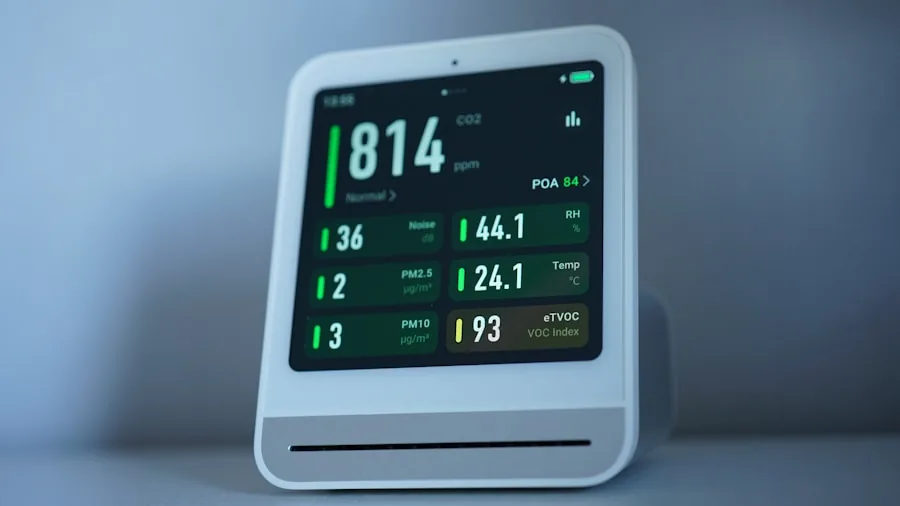
The physical design is thoughtfully put together. A small front display shows the time and current agent activity, resembling a miniature monitor beside your laptop. Three rear connections include USB-C, HDMI, and a dedicated power input. A physical button on top serves as a hardware-level approval key, letting you manually authorize sensitive operations rather than allowing the AI to proceed automatically.
Setup is designed to work seamlessly across different platforms. Whether you’re using Windows or macOS, the device connects via plug-and-play installation. This cross-platform compatibility means users of the best Apple laptops can benefit equally with Windows machine owners.
What This Means for Laptop Owners
For those who maintain high-performance laptops and want to extend their useful life, external AI acceleration offers a middle path between keeping older hardware and replacement. Professionals who need consistent power for demanding tasks, whether working on graphic design projects or other intensive work, can now add AI capabilities without compromising their existing setup’s performance.
The device is launching on Kickstarter September 15, 2026, at an introductory price of $399, with shipping expected to begin mid-October. Standard pricing after the initial campaign is anticipated at $799.
This represents a meaningful shift in how consumers might approach technology upgrades. Rather than the traditional cycle of replacing entire systems when new capabilities emerge, users now have options to enhance what they already own. For environmentally conscious shoppers and budget-minded professionals alike, keeping a functioning laptop while adding specialized hardware for specific tasks offers a more sustainable and economical approach to staying current with technological advances.





Write Your Review
No reviews yet. Be the first to share your experience!